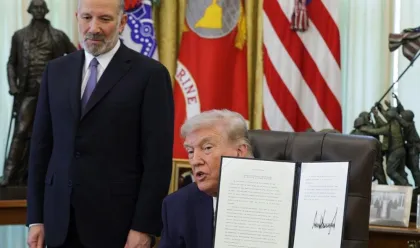
Rising Fuel Prices and Iran Conflict Put Trump’s Republican Party Under Pressure Ahead of Midterm Elections
Fuel costs, the rising cost of living, and the Iran conflict are becoming major concerns for American voters ahead of the midterm elections.

Desk Reporter
CSB News USA
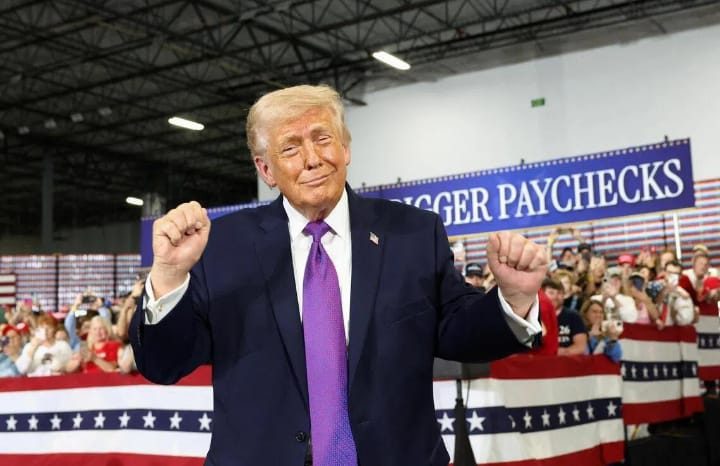
As the November 3 midterm elections approach, the economy, fuel prices, and the conflict involving Iran have become major political challenges for President Donald Trump and the Republican Party. According to a Reuters report published on October 14, Trump has been campaigning in several states traditionally considered Republican strongholds. However, Republican candidates in some closely contested races are facing difficult challenges even in these states.
Trump’s recent campaign schedule includes states such as Alaska, Arizona, and Montana. The purpose of these visits is to energize Republican supporters and encourage voters to participate in the elections. Trump won these states in the 2024 presidential election, but there is no guarantee that the same results will be repeated this time.
The political situation in Alaska has attracted particular attention. Republican Senator Dan Sullivan is seeking reelection, facing Democratic candidate Mary Peltola. According to the Reuters report, some polls indicate that the race between the two candidates is highly competitive. Some surveys have even suggested that Peltola may be leading. However, polling results do not determine the final election outcome, as voter turnout and last-minute decisions can play an important role.
Fuel prices are a particular concern for residents of Alaska. Many remote communities in the state depend heavily on fuel to heat their homes during the winter. As a result, rising fuel costs can increase household expenses. Higher prices can also affect vehicle fuel costs, transportation, the delivery of goods, and other essential expenses.
These economic pressures are politically significant for the Trump administration. Voters generally look beyond national economic statistics and consider their personal financial situations, including income, grocery bills, rent, electricity, and fuel expenses. When household incomes remain unchanged while the cost of essential goods and services rises, purchasing power declines. As a result, inflation and the cost of living can become major issues during election campaigns.
The conflict involving Iran has also become a central issue in political discussions. International conflicts can create uncertainty in energy markets, potentially affecting American consumers. However, it would be inaccurate to attribute every change in fuel prices solely to the conflict with Iran. Global market conditions, supply and demand, transportation costs, and other geopolitical developments also influence energy prices.
Republican leaders are defending their economic and energy policies, while Democratic candidates are questioning the administration’s approach and highlighting the rising cost of living. The extent to which these arguments influence the election will depend on voters’ personal experiences, the popularity of individual candidates, and the importance of local issues.
The midterm elections are not presidential elections. Instead, voters will decide the membership of the entire House of Representatives and approximately one-third of the Senate. If control of Congress changes, the Trump administration could face additional political obstacles in passing legislation and implementing policies related to the budget, immigration, and other government programs. If Republicans retain their congressional majorities, the administration could have greater opportunities to advance its policy agenda.
The elections are also important for Bangladeshi American families. Changes in fuel prices, food costs, housing expenses, employment opportunities, healthcare, and immigration policies can affect their daily lives. However, the impact of individual policies may vary depending on a family’s income, state of residence, and immigration status.
Over the coming weeks, campaign events, public opinion polls, and candidate debates are expected to provide further insight into the political landscape. For now, the economy and energy costs remain important issues in the election debate. Ultimately, the election results will determine which party controls Congress and how much political support the Trump administration will have to advance its agenda.
Related News
UK Spy Chief Warns Iran Shifts Focus Toward Military Targets Amid Rising Security Threats

UK Raises Terror Threat to Severe as US Embassy Issues Security Alert
What Kind of America Will Voters Choose? Economy, Immigration and Trump’s Leadership Dominate 2026 Midterms