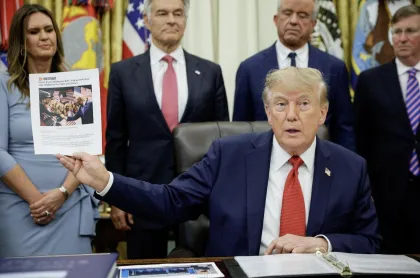
Trump Says Russia and China Are Not Helping Iran Amid Growing War Concerns
Trump dismisses claims of Russian and Chinese assistance to Iran, arguing both powers risk too much by becoming involved in the conflict.

Desk Reporter
CSB News USA
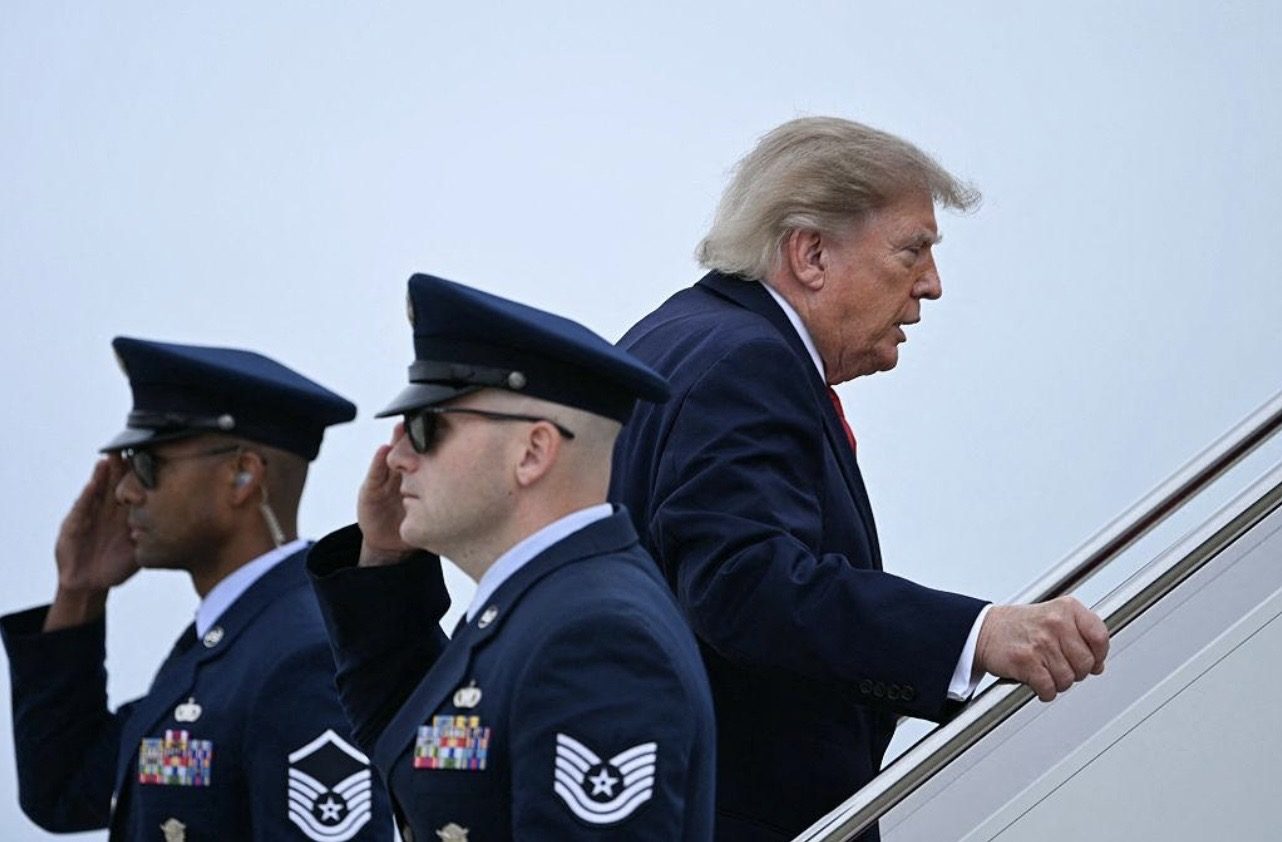
President Donald Trump has said he does not believe Russia and China are helping Iran in its ongoing conflict with the United States and Israel, arguing that both countries have too much to lose if they become directly involved. His remarks, published on his Truth Social platform late Monday, October 12, have renewed attention to the roles of Moscow and Beijing as Washington continues to assess the regional conflict.
Trump responded to comments from critics and opponents who suggested that Russia and China were providing assistance to Tehran. He said that, even if some support existed, it would be at a very low level. He also argued that the United States would quickly discover any significant involvement by either country.
“If they are, it’s at a very low level, but I don’t believe they are at all,” Trump wrote, adding that both nations had “too much to lose” by helping Iran. Reuters reported the comments on October 13.
The statement represents Trump’s assessment rather than independent confirmation that neither country is assisting Iran. Establishing whether military equipment, intelligence, financial support or other forms of assistance are reaching Tehran requires evidence beyond public statements by political leaders.
The issue is important because Russia and China maintain longstanding political, economic and strategic relationships with Iran. Both countries have opposed several Western policies toward Tehran, although their interests and approaches do not necessarily mean that they are participating directly in the current fighting.
The conflict began on February 28, when the United States and Israel launched attacks on Iran, according to Reuters. Tehran responded with strikes against Israel and Gulf countries hosting American military bases. Subsequent attacks have expanded the regional consequences, with thousands of people killed and millions displaced, Reuters reported.
The fighting has also increased concerns about regional security, energy supplies and the possibility of a wider confrontation involving additional countries. The Strait of Hormuz, a critical passage for international oil and gas shipments, has become a central concern because disruptions there can affect global energy markets and raise transportation costs.
Trump’s comments follow earlier efforts to discourage Moscow and Beijing from supplying weapons to Tehran. In July, he said he trusted Chinese President Xi Jinping and Russian President Vladimir Putin not to provide such assistance, while warning that involvement would have serious consequences for either country.
Trump also said he had received assurances from Xi that China would not sell weapons to Iran, including through Chinese companies. The American administration has continued to face questions about whether those assurances are being followed in practice.
China has denied allegations of improper assistance to Iran. At the same time, American officials and lawmakers have raised concerns about possible support from Chinese entities, including alleged military procurement assistance, satellite imagery and mechanisms that could help Tehran evade sanctions. These allegations require careful examination and should not automatically be treated as proof that the Chinese government has directly entered the war.
In September, Democratic Senator Jeanne Shaheen urged Trump to press Xi over alleged Chinese economic and military assistance to Iran, Reuters reported. Her comments illustrated the pressure on Washington to examine potential support networks while avoiding an unnecessary confrontation between the world’s two largest economies.
Russia’s position also presents a complicated picture. Moscow has maintained close ties with Tehran and has criticised American military action against Iran. Russian officials have warned that the conflict could contribute to a nuclear arms race in the Middle East. However, diplomatic alignment, economic cooperation and direct military participation are different matters, and each requires separate evidence.
China has likewise condemned American attacks on Iran, describing them as a violation of Iranian sovereignty. Beijing has an interest in regional stability because the Middle East is important to its energy supplies and commercial relationships. A prolonged conflict could increase oil prices, disrupt shipping and create economic risks for Chinese businesses.
For Washington, determining whether either country is helping Iran is important for military planning, diplomacy and sanctions enforcement. Confirmed evidence of significant assistance could increase pressure for additional restrictions or diplomatic action. Conversely, an absence of direct involvement could leave more room for negotiations with Beijing and Moscow over regional security.
The question also carries risks for relations among the major powers. A direct confrontation over alleged assistance to Iran could complicate US relations with China and Russia at a time when Washington is managing several international security challenges. Any American response would depend partly on the nature, scale and reliability of the evidence gathered.
Trump’s statement does not eliminate these concerns. His assertion that the United States would quickly discover substantial foreign involvement expresses confidence in American intelligence capabilities, but he did not publicly provide supporting intelligence or detailed evidence in the reported post.
The distinction matters for readers assessing the competing claims. Reuters reported Trump’s comments and the broader diplomatic context, while other reporting has documented allegations about potential Chinese assistance. Those reports do not establish that every allegation is accurate, nor do they independently prove Trump’s conclusion that neither country is helping Iran.
For now, the most firmly established development is Trump’s public position: he believes Russia and China are not assisting Tehran, or that any assistance would be minimal. Whether subsequent intelligence assessments, official disclosures or independently verified evidence support that view remains an important question.
The situation is likely to remain a significant issue for American foreign policy as the conflict continues. Washington must weigh military objectives, regional stability, energy security and relations with two major global powers. Moscow and Beijing, meanwhile, face their own calculations about the costs of deeper involvement.
Until more verifiable information becomes available, claims about Russian or Chinese assistance should be presented with clear attribution and appropriate caution. Trump’s remarks offer insight into his assessment of the conflict, but they should not be mistaken for conclusive proof of what Russia and China are or are not doing behind the scenes.
Related News
Trump Intensifies Campaign Efforts in Battleground States Ahead of Midterm Elections
Trump’s Proposals Reshape Voting Rules Across Several States
Trump Announces Russia-Ukraine Energy Ceasefire, but Continued Strikes Raise Doubts About Agreement