
Bangladesh Dengue Outbreak: Death Toll Rises to 316 as Cases Exceed 103,000
Bangladesh has reported 103,396 dengue cases and 316 deaths this year, prompting renewed concerns over mosquito control, hospital capacity and prevention.

Reporter · CSB News USA
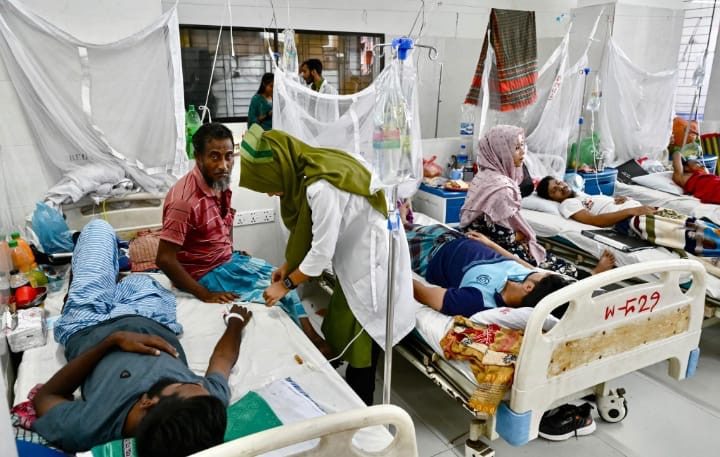
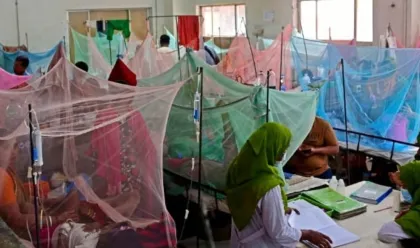
Bangladesh's dengue outbreak has crossed 103,000 reported cases this year, with the death toll rising to 316, according to the Directorate General of Health Services (DGHS).
In its October 13 update, the DGHS reported 1,954 new hospital admissions in the 24 hours leading up to 8 a.m. that day. Nine dengue patients died during the same period, while 1,965 patients were discharged after recovery. The cumulative number of reported cases reached 103,396, and total recoveries stood at 97,296.
Of the nine deaths reported in the latest 24-hour period, three occurred in areas under Dhaka South City Corporation, two each in Dhaka North City Corporation and Khulna division, and one each in Chattogram and Mymensingh divisions.
The figures indicate that the outbreak is affecting areas beyond the capital, reinforcing the need for coordinated prevention, surveillance and access to medical care across the country.
September was the deadliest month for dengue in Bangladesh so far this year, accounting for 148 deaths, according to the DGHS figures reported by The Business Standard.
Five deaths were recorded from January through May, followed by 13 in June, 36 in July and 43 in August. The September increase highlights the importance of maintaining prevention measures throughout the rainy season and beyond.
Entomologists quoted by The Daily Star have warned that dengue infections could remain elevated through November. A more noticeable decline may occur in December if rainfall decreases, but continued rain could prolong the outbreak.
Professor Kabirul Bashar of Jahangirnagar University also raised concerns about possible underreporting of cases at some hospitals. He called for independent verification of hospital data, explaining that incomplete reporting could make it harder for authorities to identify hotspots and direct resources where they are most needed.
Dhaka North City Corporation has identified 100 dengue hotspots and deployed around 100 volunteers daily, according to the report. Its efforts include identifying mosquito-breeding sites, monitoring cases and gathering information from hospitals and patients' households.
Dhaka South City Corporation has also intensified mosquito-control and public-awareness activities. Reported measures include larvicide application, fogging, removing stagnant water and weekly surveillance in 2,250 households across 75 wards.
Experts have stressed that spraying insecticides alone may not be sufficient. Effective control also requires locating and eliminating breeding sites, coordinating work among government agencies and city corporations, and checking whether interventions are producing results.
Bangladesh's latest figures underscore the importance of accurate reporting, early medical care and sustained mosquito control. While a decline in cases may become possible if rainfall subsides, experts caution that the outbreak could remain serious for several more weeks.
Authorities will need to continue monitoring hospital admissions, deaths and local breeding sites to assess whether current measures are reducing transmission.