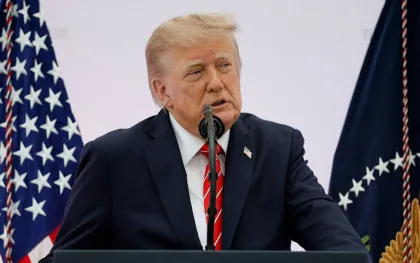
Trump Announces Russia-Ukraine Energy Ceasefire, but Continued Strikes Raise Doubts About Agreement
Trump announced an immediate energy truce, but Ukraine reported further attacks, while Moscow had not publicly confirmed agreement terms yet.

Desk Reporter
CSB News USA
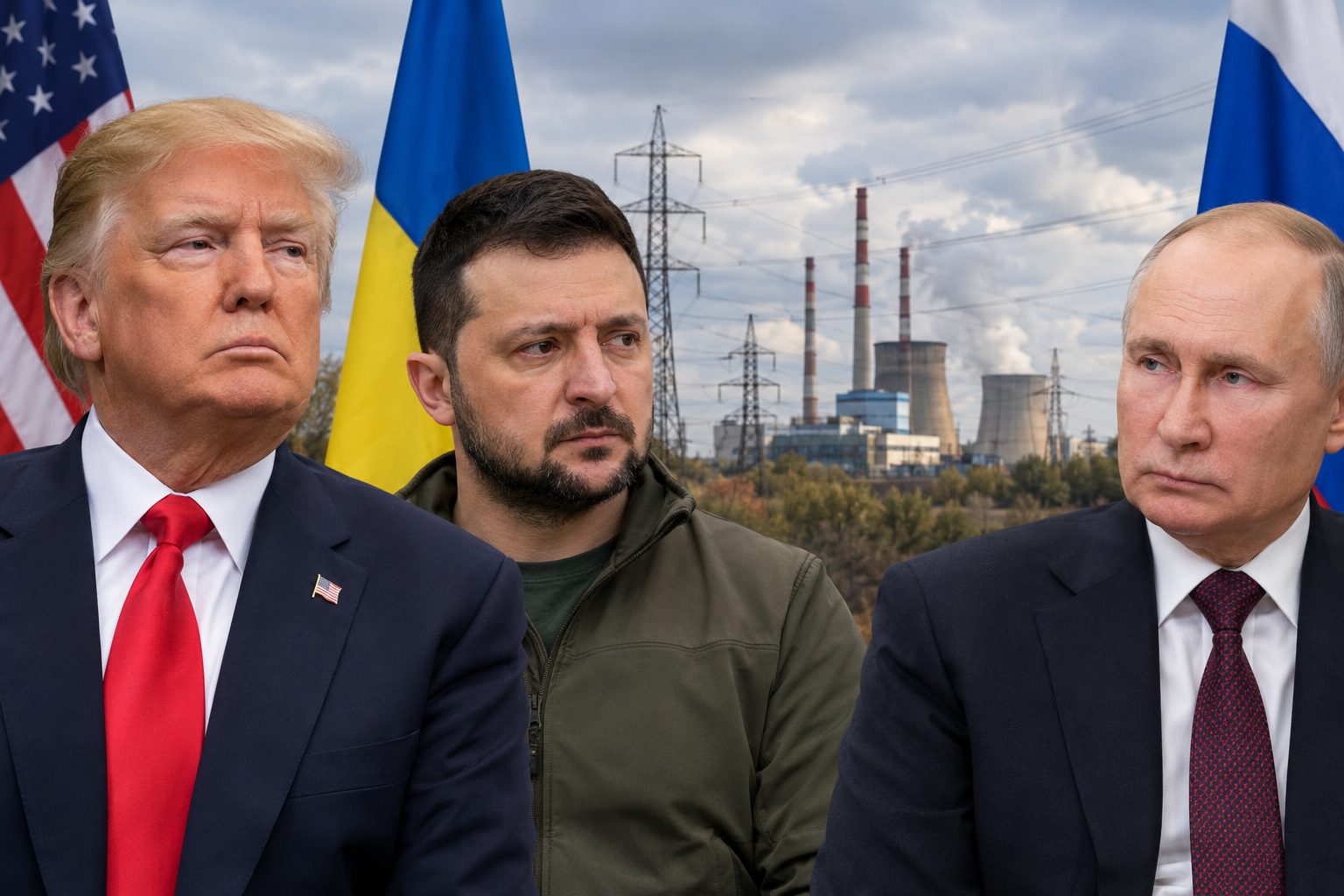
President Donald Trump has announced an immediate energy ceasefire between Russia and Ukraine, raising hopes of reducing attacks on power plants, oil refineries and other critical infrastructure. However, the announcement has been met with uncertainty after Ukrainian officials reported continued Russian strikes and neither Moscow nor Kyiv immediately confirmed a fully agreed arrangement. The latest developments suggest that the proposed truce remains uncertain, with important questions about its terms, implementation and enforcement still unanswered.
Trump announced the ceasefire on Sunday, October 11, through a post on his Truth Social platform. He declared that an energy ceasefire between Russia and Ukraine was effective immediately and asserted that both parties had agreed. He provided no detailed explanation of the arrangement, including its duration, monitoring procedures or the specific facilities covered by the proposed restrictions. The White House did not immediately clarify the announcement, according to Reuters and The Associated Press.
The lack of publicly confirmed details quickly became a central issue. Ukrainian President Volodymyr Zelenskyy said his country welcomed the proposal but emphasized that Russia must also respect it. He indicated that Kyiv was awaiting further information from Washington about the arrangement. In an interview with Axios, Zelenskyy said Trump’s announcement had come as news to him, highlighting the uncertainty surrounding the diplomatic initiative.
Zelenskyy’s response was cautious rather than dismissive. Ukraine has repeatedly said it would consider stopping attacks on Russian energy facilities if Moscow stopped targeting Ukrainian energy infrastructure. The Ukrainian president reiterated that position, making clear that Kyiv expected reciprocal restraint rather than a unilateral commitment. His comments underscored the difference between a presidential announcement and an agreement understood and accepted by both governments.
Events on the ground further complicated the announcement. Ukrainian officials reported that Russian forces continued attacking energy infrastructure after Trump’s statement. Zelenskyy said Russian drones and glide bombs had targeted facilities in Kyiv and Kharkiv. The presidential office confirmed that a thermal power plant in Kharkiv was attacked after the ceasefire announcement. The reported strikes raised immediate questions about whether Russian forces had received instructions to suspend attacks or whether an operational agreement had actually been established. These accounts are attributed to Ukrainian authorities; independent verification of every reported strike remains important.
The situation is particularly significant because attacks on energy infrastructure can have consequences far beyond the immediate battlefield. Damage to power stations and electricity networks can disrupt heating, water supplies, hospitals, public services and industrial production. In Ukraine, where repeated attacks have placed energy facilities under pressure throughout the war, another round of strikes could worsen shortages and increase the burden on civilians. Protecting electricity and heating supplies becomes especially important as colder weather approaches.
Russia had not immediately issued a public confirmation of the ceasefire when Reuters and the Associated Press reported on the announcement. Without an explicit commitment from Moscow, it remains unclear whether the declaration represents a negotiated agreement, an emerging diplomatic proposal or an attempt to encourage both sides to stop attacks. The distinction matters because a ceasefire requires more than a public statement: it needs clear rules, communication between the parties and a way to assess alleged violations.
The initiative also comes amid worsening tensions between Washington and Kyiv over Ukraine’s attacks on Russian oil refineries. Trump has blamed Ukrainian strikes for contributing to higher diesel prices in the United States and has pressed Zelenskyy to halt such operations. Reuters reported that the administration had also threatened to restrict intelligence sharing and weapons procurement for Ukraine as it pushed Kyiv to stop attacks on Russian energy sites. The reported pressure has added a contentious political dimension to the proposed ceasefire.
Energy prices are another important part of the broader context. Global fuel markets have been affected by supply concerns and the wider conflict involving Iran. Traders may interpret a genuine halt in attacks on energy infrastructure as a step toward more stable supplies. However, market movements alone cannot demonstrate that a ceasefire is in force. Prices are influenced by multiple factors, including production, shipping risks, sanctions, demand and developments in other conflicts.
The diplomatic consequences could extend beyond Russia and Ukraine. European governments and other Western partners have a strong interest in preventing further damage to Ukrainian infrastructure while maintaining pressure on Moscow over the war. A credible agreement could reduce some immediate risks to civilians and energy supplies. Conversely, an announcement that is not followed by observable restraint could deepen mistrust and make future negotiations more difficult.
For the proposed ceasefire to become meaningful, Washington would need to clarify its terms and establish whether both governments have accepted them. Monitoring arrangements, reliable communication channels and a process for investigating alleged violations could help prevent disputed incidents from undermining the initiative. Both sides would also need to demonstrate restraint through their actions, not merely through public statements.
Even if an energy ceasefire eventually takes effect, it would not amount to a comprehensive end to the war. Fighting could continue elsewhere unless a broader agreement addressed the wider conflict. Issues involving territorial control, security guarantees, prisoners of war and the future relationship between Russia and Ukraine would remain difficult obstacles to a lasting settlement.
For now, Trump’s announcement represents a potential diplomatic opening rather than a confirmed, fully implemented ceasefire. Ukraine has expressed conditional support, reports of further Russian attacks have raised doubts, and Moscow had not immediately confirmed the arrangement. The coming days will be crucial in determining whether the proposal leads to a verifiable reduction in attacks or remains an unfulfilled political declaration.
Related News
Judge Orders Trump Administration to Halt Taxpayer-Funded Ads Ahead of Midterm Elections
Trump’s Russia Diesel Deal Faces Legal Challenge From Seven Bipartisan US Senators
Trump Urges Democratic Senator Fetterman to Join the Republican Party Ahead of Midterms