Trump Intensifies Campaign Efforts in Battleground States Ahead of Midterm Elections
President Donald Trump is stepping up his campaign activities across several states as Republicans prepare for the November 3, 2026, midterm elections. With competitive congressional races threatening the party’s hold on power, Trump is scheduled to campaign in Ohio, Alaska, Arizona and Montana, aiming to strengthen Republican candidates and encourage supporters to turn out to vote.

Desk Reporter
CSB News USA
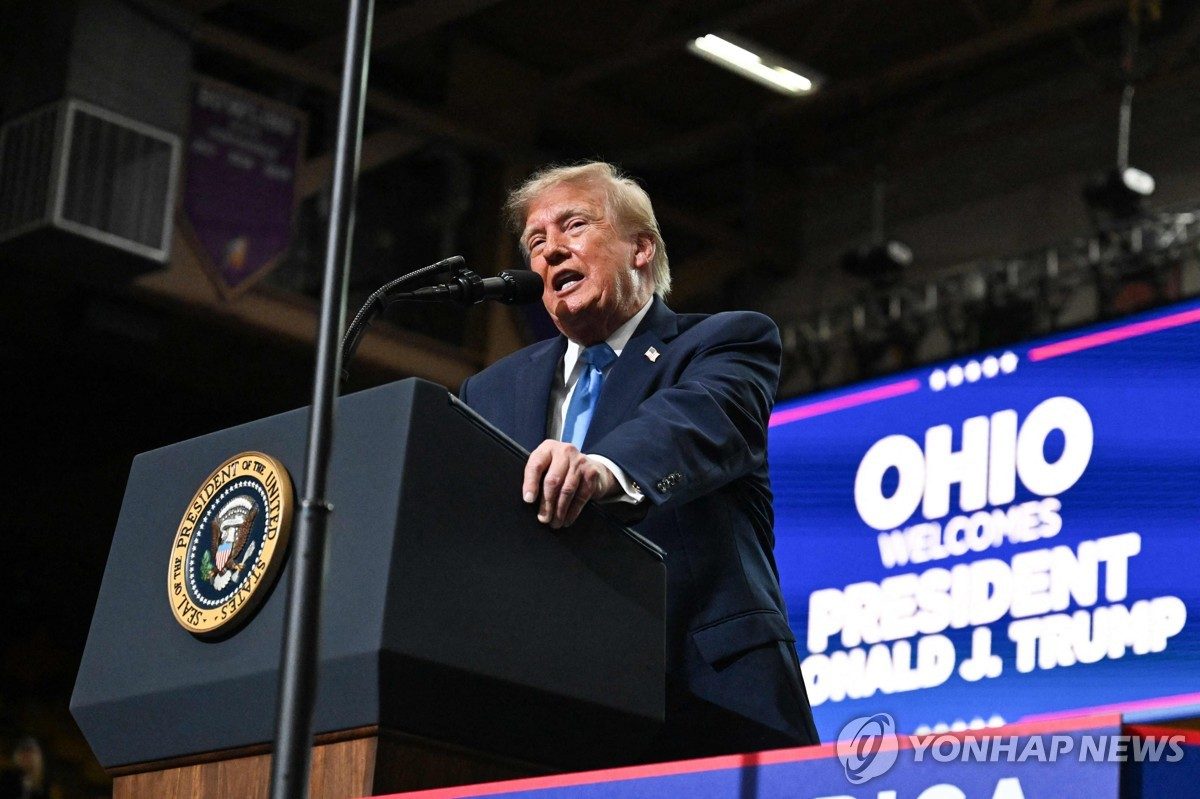
According to a Reuters report published October 12, Trump’s campaign schedule includes several states he won in the 2024 presidential election. Despite those past victories, Republican candidates are facing challenging contests in some of these states, making the president’s campaign appearances an important part of the party’s strategy.
One of the key stops is Youngstown, Ohio, where Trump is campaigning for Republican Senator Jon Husted. Husted is facing a competitive challenge from Democrat Sherrod Brown in a closely watched Senate race. The outcome could influence the balance of power in Washington, making Ohio a major focus for both parties.
Trump is also scheduled to visit Alaska to support Republican Senator Dan Sullivan, who faces a challenge from Democrat Mary Peltola. The race is among the contests Republicans are working to defend as they seek to maintain their influence in the Senate.
Arizona and Montana are also included in Trump’s campaign itinerary. By visiting states where Republicans are facing difficult races, the president is seeking to energize his political base and help candidates attract additional support. His rallies are expected to draw attention to the party’s priorities and encourage voters to participate in the upcoming election.
Trump has said that he wants to recognize voters in states that have supported him in previous elections. However, he has also acknowledged the importance of helping Republican candidates in closely contested races. His campaign strategy reflects the broader challenge facing the party as it works to preserve its congressional majorities.
The midterm elections are especially significant because the outcome will shape the political environment during the final two years of Trump’s current presidential term. If Republicans retain control of Congress, the administration could have a more favorable path for advancing its legislative priorities. If Democrats gain control of either chamber, they could exert greater influence over legislation, government oversight and the administration’s policy agenda.
Economic concerns are also playing a role in the campaign. Reuters reported that high gasoline prices and public dissatisfaction over the war with Iran have created political challenges for Trump and Republican candidates. Voters’ views on the economy, energy costs and national policy may influence their decisions at the ballot box.
Trump’s appearances could help Republican candidates motivate loyal supporters, particularly voters who might otherwise be less likely to participate in a midterm election. At the same time, his visits may also energize Democratic opponents and draw additional attention to the races. The effect of presidential campaign appearances can vary from state to state and does not guarantee victory for the candidates receiving support.
Political observers will be watching closely to see whether Trump’s campaign efforts translate into stronger Republican turnout. The races in Ohio and Alaska are particularly important because control of the Senate could depend on a small number of closely contested seats. The broader battle for Congress will also involve competitive House races across the country.
Although Trump won Ohio, Alaska, Arizona and Montana in the 2024 presidential election, previous presidential results do not determine the outcome of the 2026 midterms. Local issues, candidate appeal, campaign spending, voter turnout and the national political climate could all affect the results.
As Election Day approaches, both Republicans and Democrats are intensifying their efforts to persuade undecided voters and mobilize their supporters. Trump’s campaign schedule highlights the importance Republicans are placing on competitive Senate races and the broader struggle for control of Congress.
The final outcome remains uncertain. Trump’s campaign appearances may provide Republican candidates with greater visibility and help strengthen voter engagement, but the results will ultimately depend on how Americans vote on November 3.
Related News
Trump’s Proposals Reshape Voting Rules Across Several States
Trump Announces Russia-Ukraine Energy Ceasefire, but Continued Strikes Raise Doubts About Agreement
Judge Orders Trump Administration to Halt Taxpayer-Funded Ads Ahead of Midterm Elections