
Trump Threatens Harder Strikes on Iran as Hormuz Fighting Intensifies Across Middle East
Trump warns Iran of intensified military action as attacks near the Strait of Hormuz raise concerns over global oil supplies and regional stability.

CSB News USA
Trump Threatens Harder Strikes on Iran as Hormuz Fighting Intensifies
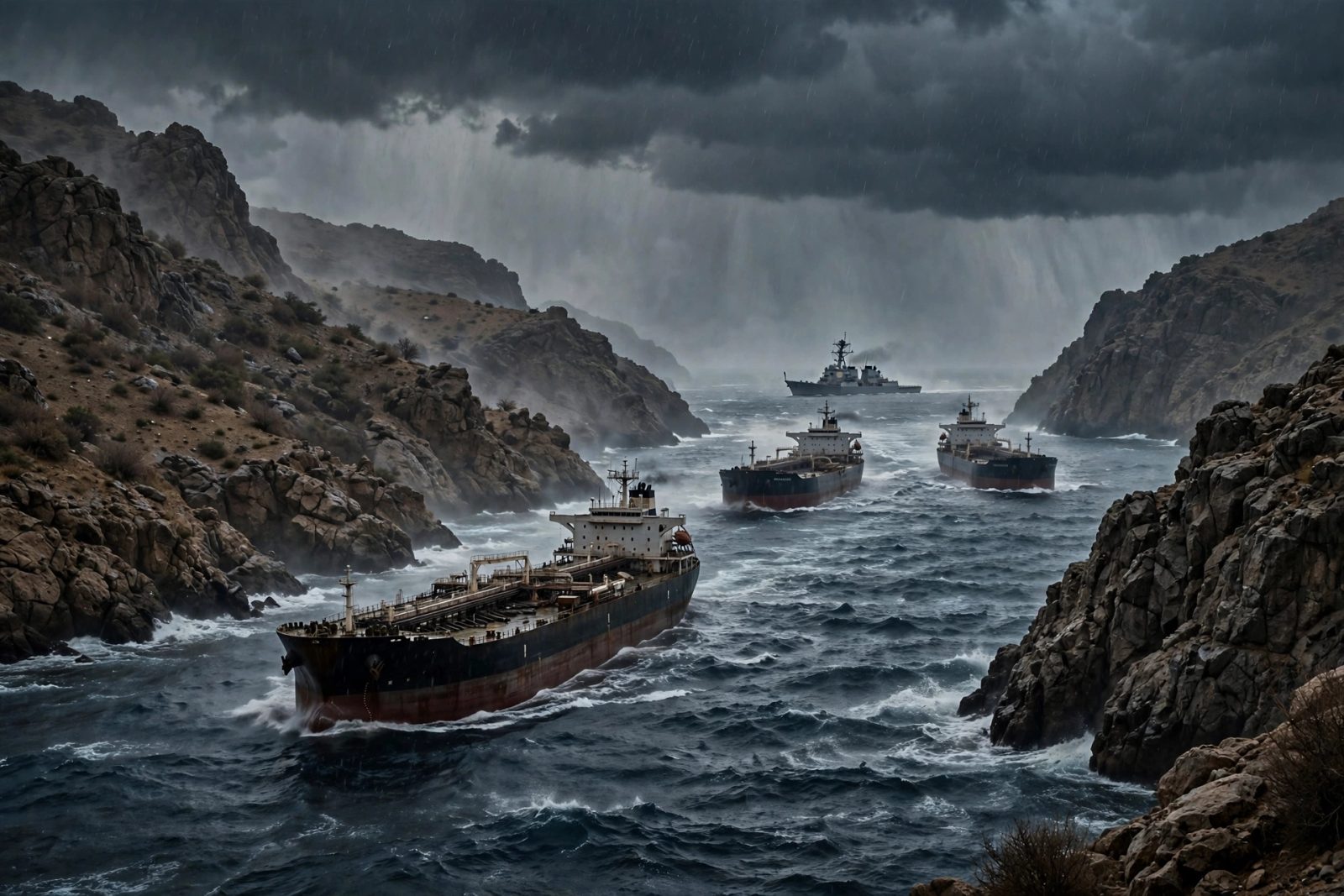
U.S. President Donald Trump has threatened tougher military action against Iran as tensions intensify around the Strait of Hormuz, a critical maritime corridor for global energy supplies. The escalating confrontation is raising concerns about commercial shipping, international oil markets and the possibility of a wider regional conflict involving additional Middle Eastern actors.
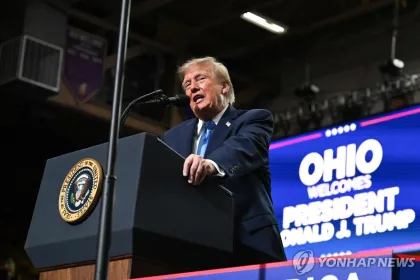
Speaking at a rally in Alaska, Trump delivered a forceful warning to Tehran, saying the United States was “going to do a number on Iran.” His remarks signaled a willingness to intensify pressure on Iran as fighting and threats against maritime traffic continue to dominate regional security concerns.
Trump also insisted that American forces control the Strait of Hormuz and are keeping oil shipments moving through the strategic waterway. However, the situation remains volatile, with reported attacks on vessels highlighting the risks facing commercial shipping in and around the region.
Iran Reportedly Changes Maritime Tactics
According to Reuters reporting cited in the account, Iran is using unarmed spotters to help identify vessels and support targeting efforts. The reported tactic could complicate maritime security operations by making it more difficult to distinguish ordinary activity from potential surveillance connected to military operations.
The report also states that 24 ships have been hit over the past two weeks. These incidents underscore the growing risks to vessels operating in the region, although the circumstances surrounding individual attacks, the identities of all affected ships and the full extent of the damage require further verification.
The use of unarmed observers would not necessarily mean that the observers themselves are carrying out attacks. Rather, their reported role is to help gather information that could assist in identifying or tracking potential targets.
For shipping companies, energy traders and governments, the immediate concern is whether attacks will continue and whether vessels can safely navigate the area. Even when shipping routes remain technically open, heightened security risks can lead to higher insurance premiums, longer journeys and increased transportation costs.
Why the Strait of Hormuz Matters
The Strait of Hormuz is one of the world's most important energy chokepoints. It connects the Persian Gulf with the Gulf of Oman and the Arabian Sea, providing a major export route for oil and liquefied natural gas produced by Gulf countries.
Any significant disruption to traffic through the strait could affect energy supplies reaching international markets, particularly in Asia. A prolonged crisis could also influence oil prices, freight rates and broader economic conditions.
The impact would not necessarily be limited to countries directly involved in the conflict. Higher energy prices can increase transportation and manufacturing costs, contribute to inflation and place additional pressure on households and businesses worldwide.
Although Trump has said U.S. forces are keeping oil moving, continued attacks and uncertainty could still affect shipping decisions. Commercial operators must consider the risks to crews, vessels and cargo before entering a potentially dangerous maritime zone.
Saudi Arabia and the Houthis Add to Regional Concerns
The confrontation is also extending beyond the Strait of Hormuz. Saudi Arabia and Yemen's Houthi rebels are reportedly exchanging new strikes, adding another source of instability to an already tense regional environment.
The Houthis, who have previously threatened or attacked commercial shipping in the Red Sea region, are an important factor in broader maritime security calculations. Renewed hostilities involving Saudi Arabia and the group could create additional pressure on regional trade routes and complicate efforts to contain the wider conflict.
The developments raise concerns that separate confrontations could become increasingly interconnected. If attacks continue across multiple locations, regional governments may face difficult decisions about military responses, defensive deployments and cooperation with international partners.
However, the precise scale and consequences of the latest reported Saudi-Houthi exchanges remain dependent on further independently verified information.
Global Markets Watch for Further Escalation
Energy markets are likely to remain sensitive to developments around the Strait of Hormuz. Traders closely monitor threats to oil production, export infrastructure and shipping because even the possibility of a prolonged disruption can influence market expectations.
A further escalation could increase volatility in oil prices and raise costs for businesses that depend on reliable fuel supplies. Conversely, credible de-escalation measures and assurances that commercial vessels can pass safely could help reduce some of the pressure on markets.
Governments and international organizations also face the challenge of protecting maritime traffic without triggering further escalation. Diplomatic engagement, clear communication and effective coordination among maritime security forces could become increasingly important as the situation develops.
A Critical Moment for Middle Eastern Security
Trump's warning, reports of changing Iranian maritime tactics and renewed Saudi-Houthi hostilities together point to a dangerous period for regional security. The key questions are whether the United States will take additional military action, whether attacks on commercial vessels will continue and whether the conflict will spread to additional countries or shipping corridors.
For now, the Strait of Hormuz remains central to international concern because of its importance to global energy supplies. Any sustained disruption could have consequences far beyond the Middle East.
The situation remains fluid, and further independently verified reporting will be essential to establish the full details of the attacks, the operational status of shipping routes and the next steps taken by the governments involved.
Reporter
CSB News USA
Related News
Trump Announces Greenland Oil, Gas and Mineral Exploration, Citing National Security Concerns
JD Vance Says Allegations Against Ilhan Omar Will Be Investigated as Officials Examine Evidence and Facts
Trump Says Russia and China Are Not Helping Iran Amid Growing War Concerns