

JD Vance Says Allegations Against Ilhan Omar Will Be Investigated as Officials Examine Evidence and Facts
Vice President JD Vance says allegations against Representative Ilhan Omar will be examined, with any action depending on verified evidence and facts.

International Broadcast Journalist · CSB News USA
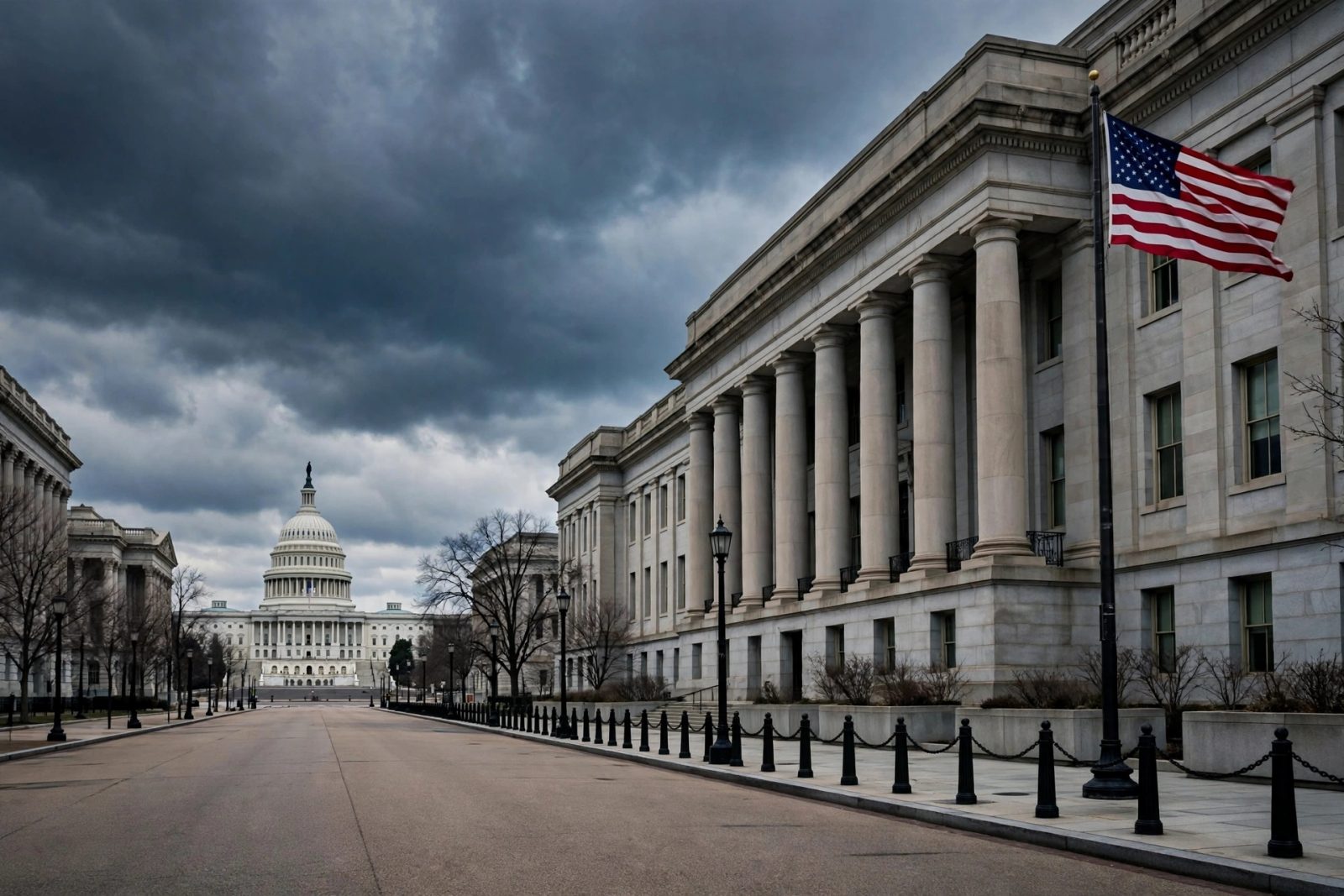
WASHINGTON, D.C. — U.S. Vice President JD Vance says serious allegations against Democratic Representative Ilhan Omar will be examined, emphasizing that any further action must be guided by facts and evidence. His remarks have renewed attention on the congresswoman as federal authorities investigate matters involving her background and immigration history.
“There are some serious allegations against Ilhan Omar. We're going to look into those,” Vance said. He added that if a legitimate case exists, officials will follow the facts, but if there is no valid case, they will not pursue it.
Vance's statement comes amid growing political tensions in Washington, where disputes over immigration enforcement, government accountability and the use of federal investigative powers have become prominent issues ahead of the November 2026 midterm elections.
FEDERAL INVESTIGATION DRAWS NATIONAL ATTENTION
On October 12, federal agents from Homeland Security Investigations searched Omar's Washington, D.C., residence under a judicially authorized warrant. The Justice Department confirmed that the enforcement action was part of an ongoing federal criminal investigation but did not publicly disclose detailed information about the investigation's precise focus.
The search intensified scrutiny of allegations previously raised by Republican officials concerning Omar's immigration history. However, authorities have not publicly established that the congresswoman committed a crime, and the existence of an investigation does not establish guilt.
According to reporting by The Associated Press and Reuters, the investigation may involve questions related to immigration documentation. Officials have provided limited details, leaving important questions about the scope of the inquiry and the evidence under examination unanswered.
The distinction between an allegation and a proven offense remains central to the case. Investigators must evaluate evidence, establish relevant facts and determine whether any conduct violated federal law before prosecutors can decide whether charges are warranted.
VANCE SAYS FACTS WILL GUIDE DECISIONS
Vance's public comments indicate that the administration intends to examine the allegations rather than automatically pursue a case regardless of the evidence.
His statement presents two possible outcomes: if investigators establish a legitimate legal basis for action, the matter may proceed through the appropriate legal channels; if the evidence does not support a valid case, officials should not pursue it.
That distinction is significant because criminal investigations require evidence capable of supporting specific legal claims. Political criticism, public speculation and repeated allegations cannot independently establish criminal wrongdoing.
The vice president's remarks also place responsibility on investigators and prosecutors to determine what the available evidence demonstrates. Any eventual decision must be based on applicable law and the findings of the investigation.
Neither Vance's statement nor the execution of a search warrant should be interpreted as a final determination of Omar's legal responsibility.
ILHAN OMAR DENIES THE ALLEGATIONS
Omar, a Democratic representative from Minnesota's Fifth Congressional District, has repeatedly rejected allegations concerning her immigration history. She and her representatives have previously characterized such claims as false and politically motivated.
Following the October 12 search, Omar criticized the action as part of what she described as a campaign of political intimidation. She has maintained that she will not be silenced by the investigation or the surrounding political controversy.
Her response reflects a broader dispute between the congresswoman and President Donald Trump's administration. Omar has been a prominent critic of Trump's immigration policies, while Trump and Republican allies have repeatedly targeted her political positions and personal background.
Democratic leaders have also questioned the timing of the federal search, which occurred only weeks before the midterm elections. They have raised concerns about the potential use of federal investigative powers in a politically sensitive period.
The administration's critics argue that the timing warrants scrutiny. At the same time, the Justice Department has confirmed that the search was authorized through a judicial process. The available public information does not establish that the operation was politically directed.
POLITICAL TENSIONS AHEAD OF MIDTERM ELECTIONS
The investigation has emerged during a particularly sensitive period in American politics. Voters are preparing to choose members of Congress in elections that will help determine control of the House of Representatives and the Senate.
Omar, first elected to Congress in 2018, represents a Minneapolis-area district and is a prominent member of the Democratic Party's progressive wing. Her political disagreements with Trump and Republican lawmakers have frequently attracted national attention.
The investigation has therefore become part of a larger debate about accountability, equal treatment under the law and the independence of federal law enforcement.
Supporters of an investigation argue that serious allegations should be examined through established legal procedures, regardless of a person's political position. Critics counter that investigations involving political figures require particular transparency and safeguards against improper influence.
Those competing arguments do not resolve the underlying factual questions. The evidence, applicable legal standards and findings of investigators will determine whether the case supports further legal action.
WHAT HAPPENS NEXT?
The Justice Department has not publicly provided a comprehensive explanation of the investigation's scope or disclosed all the evidence being examined. Additional information may emerge as investigators continue their work.
Authorities may review records, interview relevant individuals and assess whether the available evidence supports potential criminal charges. Any prosecution would require a legally sufficient basis and would be subject to the protections and procedures of the American justice system.
For now, the central question remains whether investigators can establish a valid case based on verifiable evidence. Vance has said the administration will examine the allegations and follow the facts if a legitimate case exists.
The investigation remains ongoing, and no final finding of criminal wrongdoing has been publicly established in connection with the allegations discussed by Vance.
As the case develops, official statements and reliable reporting will be important in distinguishing confirmed developments from political claims and speculation.
Related News
Trump Says Russia and China Are Not Helping Iran Amid Growing War Concerns
Trump Intensifies Campaign Efforts in Battleground States Ahead of Midterm Elections
Trump’s Proposals Reshape Voting Rules Across Several States