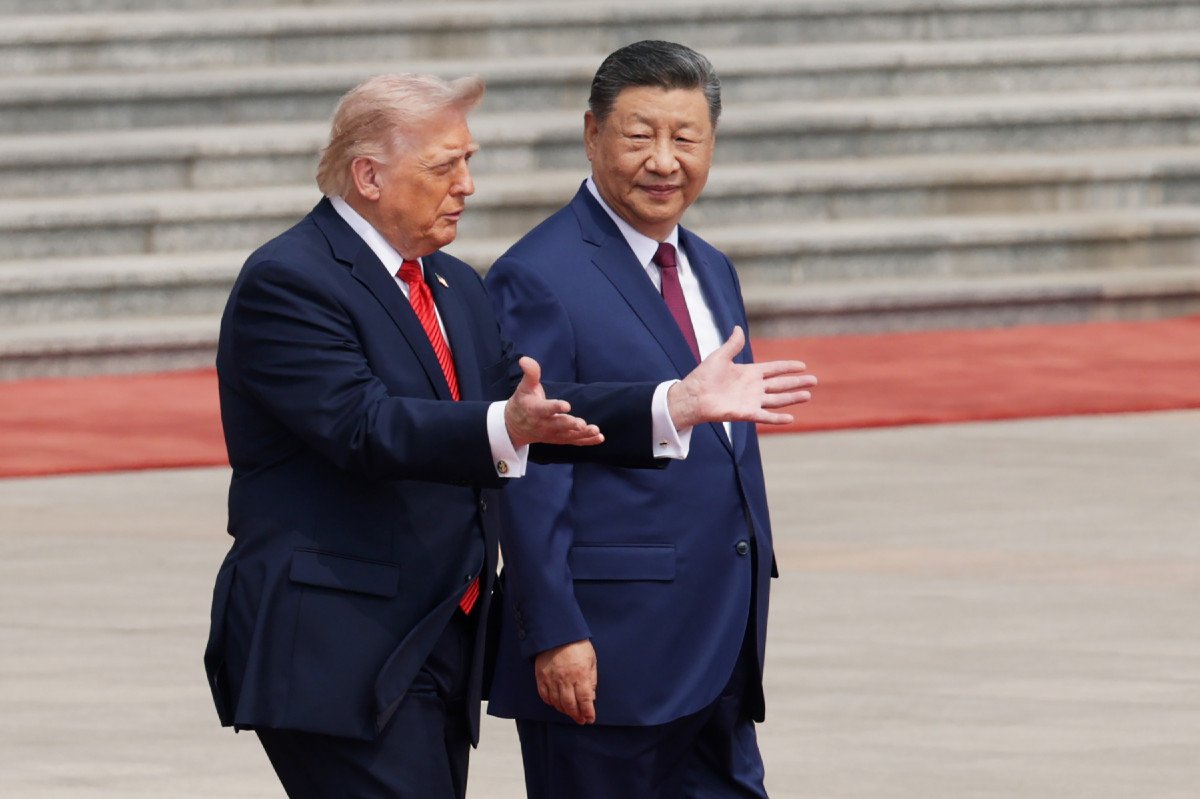
Trump’s Mail-In Voting Order Faces Legal Roadblocks Ahead of Midterm Elections
President Donald Trump has signed an executive order aimed at tightening mail-in voting and federal election rules, but claims that mail-in voting has already been banned nationwide are misleading. Key parts of the administration’s plan remain tied up in court as the 2026 midterm elections approach.

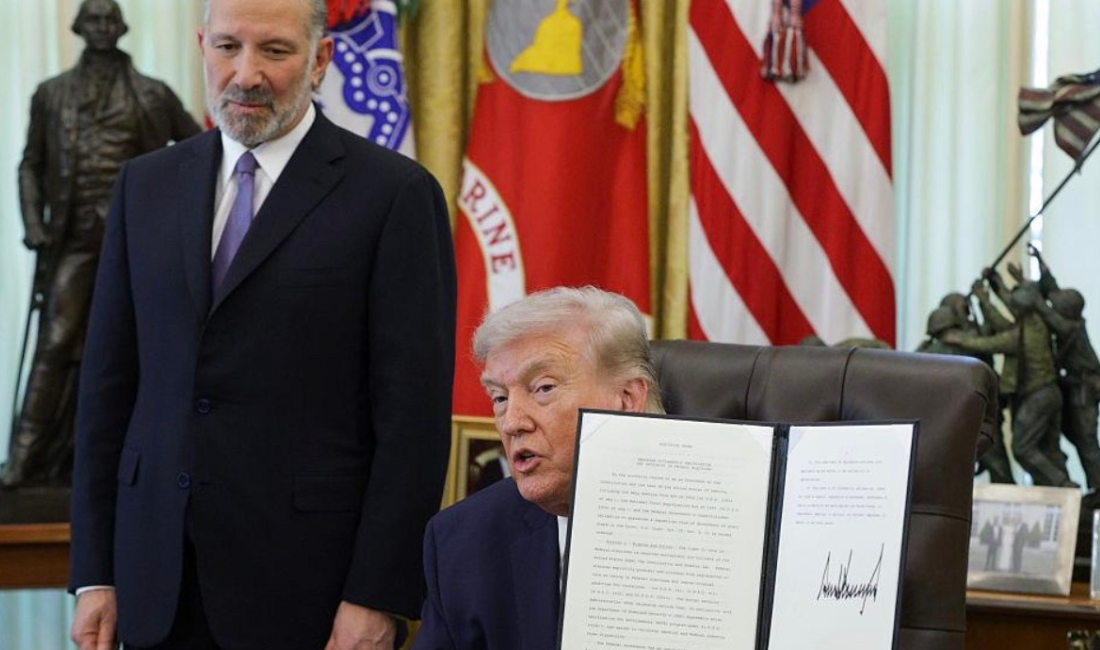
Trump’s Mail-In Voting Order Faces Legal Roadblocks Ahead of Midterm Elections
President Donald Trump has taken steps to tighten rules surrounding mail-in voting, but claims that his administration has already banned mail-in voting nationwide are misleading.
Trump signed an executive order in March 2026 directing federal agencies to pursue tougher election-related requirements, including measures involving mail-in ballots, voter eligibility and citizenship verification.
The executive order has triggered a major legal and political battle over how much authority the federal government has over elections that are largely administered by individual states.
The order does not simply eliminate mail-in voting across the United States. Instead, it directs federal agencies to develop and implement new requirements affecting the way certain mail-in ballots are processed.
One of the most controversial elements involves the United States Postal Service and proposed changes to the handling of election mail. The administration has argued that stronger identification and verification procedures are necessary to protect election integrity and prevent potential fraud.
Trump and his supporters have repeatedly argued that election systems need stronger safeguards. They have particularly focused on voter eligibility, citizenship verification and the security of mail-in ballots.
However, opponents argue that the federal government cannot use an executive order to fundamentally rewrite election procedures that are controlled by states under existing law.
The legal battle intensified after several states and voting-rights organizations challenged parts of the administration’s plans in federal court.
Courts have blocked or delayed important portions of the proposed changes, meaning that the new federal requirements have not simply gone into effect nationwide.
The situation is particularly important because the United States is approaching the 2026 midterm elections.
The midterm elections will determine all seats in the House of Representatives and a portion of the United States Senate. Millions of Americans are expected to participate through different voting methods, including early voting, in-person voting and, where permitted, mail-in voting.
Election rules are not identical across the country. Each state has its own procedures governing absentee and mail-in ballots. In some states, voters can request a mail ballot without providing a specific reason. Other states have more restrictive requirements.
That means a presidential executive order does not automatically create identical voting rules in every state.
The White House has presented Trump’s election measures as an effort to strengthen election security and ensure that only eligible citizens participate in federal elections.
The administration has also emphasized the importance of verifying voter citizenship and improving the accuracy of voter-registration records.
Trump has separately supported the SAVE America Act, legislation that would impose additional citizenship and identification requirements for federal elections.
Supporters of the legislation say stronger documentation requirements are necessary to protect the integrity of elections.
Critics, however, argue that such requirements could create additional barriers for eligible voters, particularly people who may have difficulty obtaining or presenting specific documents.
The proposed legislation has faced significant political opposition in Congress, meaning that the executive order and the legislation should not be treated as the same legal mechanism.
This distinction is important when evaluating claims circulating online.
A widely shared social-media post claims that Trump has officially restricted mail-in voting nationwide and that the restrictions will definitely take effect before the midterm elections.
That statement goes too far.
Trump did sign an executive order aimed at changing federal election procedures and tightening certain requirements surrounding mail-in voting. But the order itself did not abolish mail-in voting nationwide.
Several provisions have faced legal challenges, and courts have prevented important parts of the administration’s proposed changes from taking effect.
As a result, Americans should not assume that mail-in voting has been nationally prohibited simply because Trump signed the executive order.
The Postal Service and election officials continue to prepare for the 2026 election season, while the legal dispute over the administration’s proposed changes continues.
The controversy also highlights a broader constitutional question in American politics: how much power the president and federal government have to regulate elections that are primarily administered by the states.
The Constitution gives states a significant role in determining the “Times, Places and Manner” of federal elections, while Congress also has authority to regulate certain aspects of federal elections.
Presidential executive orders cannot automatically override existing federal statutes or constitutional limits.
That is why the courts have become central to the dispute.
For voters, the practical message is straightforward: mail-in voting remains available under applicable state laws, but election rules may continue to change as litigation develops.
Voters should therefore rely on their state or local election authority for the latest information about registration deadlines, ballot-request requirements, identification rules and ballot-return deadlines.
The 2026 midterm elections are expected to generate intense political debate over election security, voting access and federal authority.
Trump’s executive order is likely to remain an important part of that debate.
But describing it as a completed nationwide ban on mail-in voting is inaccurate.
The more accurate description is that Trump has launched a major federal effort to tighten election and mail-ballot rules, while important parts of that effort remain subject to court challenges and legal restrictions.
The final impact on the 2026 midterm elections will depend on the outcome of ongoing litigation, administrative rulemaking and the laws governing elections in individual states.