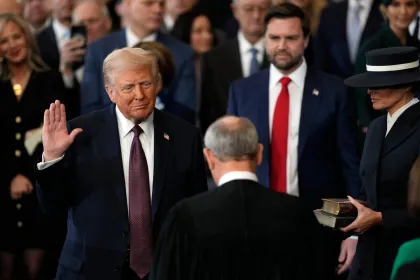
Trump’s Proposals Reshape Voting Rules Across Several States
New voting rules have taken effect across several U.S. states, potentially bringing significant changes for voters ahead of the upcoming midterm elections.

Desk Reporter
CSB News USA
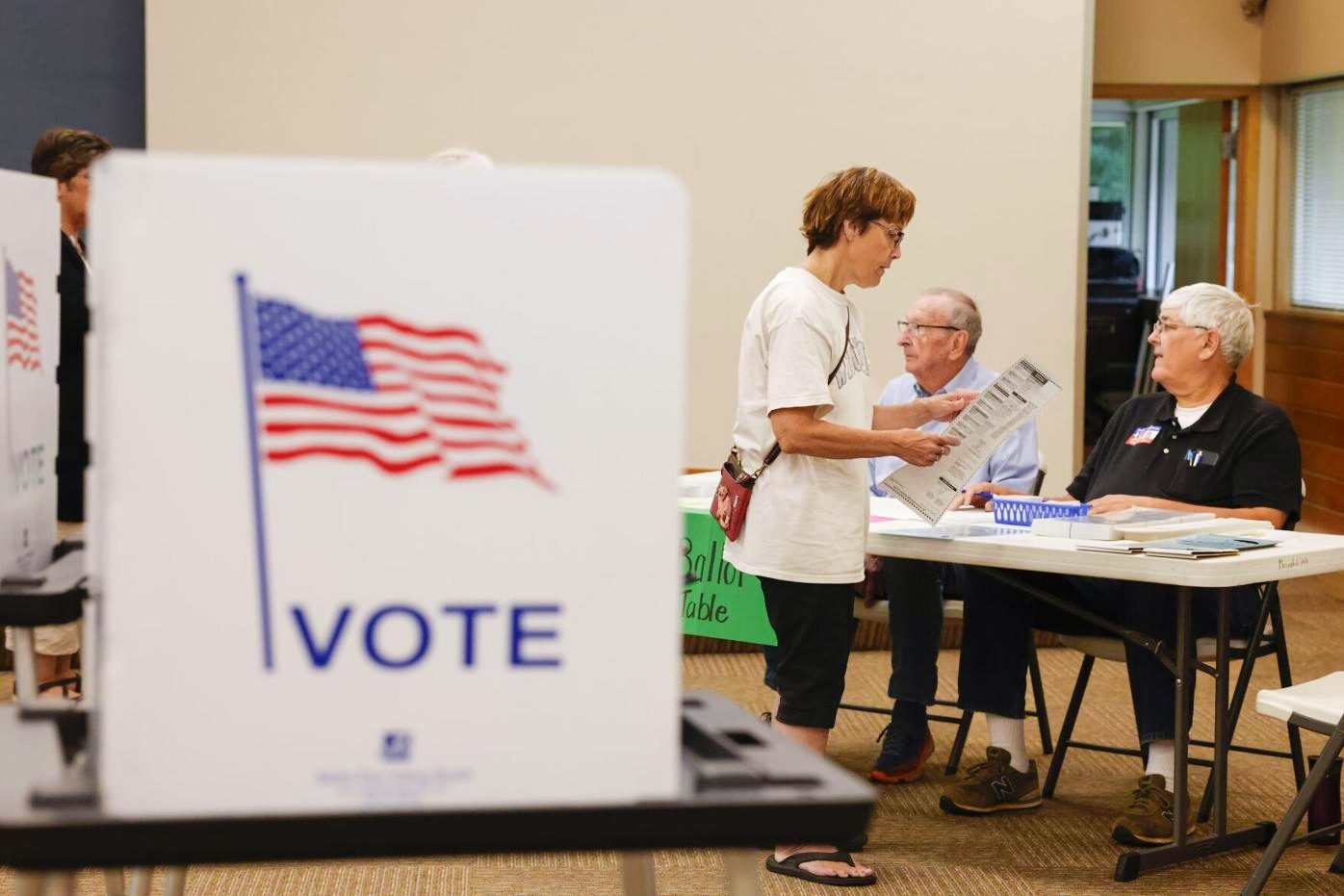
Voting rules are changing across several U.S. states as the country prepares for the upcoming midterm elections. According to an Associated Press report published on October 12, more than three dozen new election laws enacted this year in Republican-controlled states include provisions that align with President Donald Trump’s election reform proposals. These changes have sparked renewed debate across the country, particularly over voter registration, identity verification, and the procedures for voting by mail.
The new provisions include changes to accepted voter identification documents, requirements to provide proof of citizenship, and additional restrictions on mail-in voting. The nature and implementation of these rules may vary from state to state. Some states are placing greater emphasis on verifying identification documents during voter registration, while others have introduced additional requirements for mail-in voting. As a result, voters need to check with their respective state election authorities to understand which rules apply to them.
Supporters of the new rules argue that these measures are necessary to reduce the risk of election irregularities and ensure that voters’ identities are properly verified. They believe that maintaining public confidence in the electoral system requires appropriate verification at every stage, from voter registration to ballot counting. According to supporters, clearer and stricter regulations could improve transparency and reduce unnecessary doubts about election results.
civil rights advocates and organizations focused on voting rights have raised concerns about these changes. They fear that eligible citizens who have difficulty obtaining the required documents could face obstacles when registering to vote or casting their ballots. People without certain forms of identification, those living in remote areas, and individuals who have difficulty visiting election offices to complete the necessary procedures may face additional challenges under stricter requirements.
Mail-in voting rules have also become a significant part of the debate. Many Americans rely on mail-in voting because of work commitments, physical limitations, distance, or other personal circumstances. The procedures for requesting, receiving, completing, and returning ballots by mail can differ among states. If new restrictions take effect, voters will need to understand the applicable requirements in advance. Failure to comply with specific rules could create complications in determining whether a ballot can be accepted.
Legal disputes over election laws have added another layer of complexity to the situation. Some provisions have faced legal challenges in court. These cases raise questions about the constitutionality of the new rules, the protection of voting rights, and the authority of state governments to administer elections. Depending on court decisions, some provisions may remain in effect, while others could be limited or modified. Therefore, voters should not assume that identical rules will apply across all states before the elections.
The political significance of these developments is also considerable. Voter sentiment during the U.S. midterm elections can play an important role in determining the balance of power in Congress. Disagreements over election regulations could intensify political tensions between Republicans and Democrats. One side emphasizes election security and identity verification, while the other stresses the importance of preserving access to voting and ensuring that eligible citizens can participate without unnecessary barriers.
Election experts emphasize that both security and voting rights must be considered when protecting the credibility of the electoral system. Proper voter identification procedures are important, but it is equally essential to ensure that eligible citizens are not prevented from voting because of unnecessary administrative difficulties. Clear instructions, accessible information, and timely public communication about changes in election laws can help voters understand their rights and responsibilities.
the debate over new election regulations is emerging as an important issue ahead of the U.S. midterm elections. The impact of these changes on voter participation, election administration, and political competition will depend on state-specific laws, court rulings, and how the regulations are implemented in practice. As the election approaches, voters should follow the latest guidance issued by their respective state election authorities to ensure they understand the requirements for registration and voting.
Related News

Trump Announces Russia-Ukraine Energy Ceasefire, but Continued Strikes Raise Doubts About Agreement
Judge Orders Trump Administration to Halt Taxpayer-Funded Ads Ahead of Midterm Elections

Trump’s Russia Diesel Deal Faces Legal Challenge From Seven Bipartisan US Senators