Bangladesh Ranks 20th Worldwide as US Foreign Aid Reaches $393.7 Million in 2025
Bangladesh received approximately $393.7 million in US foreign assistance during fiscal 2025, supporting development, humanitarian relief, health, and other programs.

Desk Reporter
CSB News USA
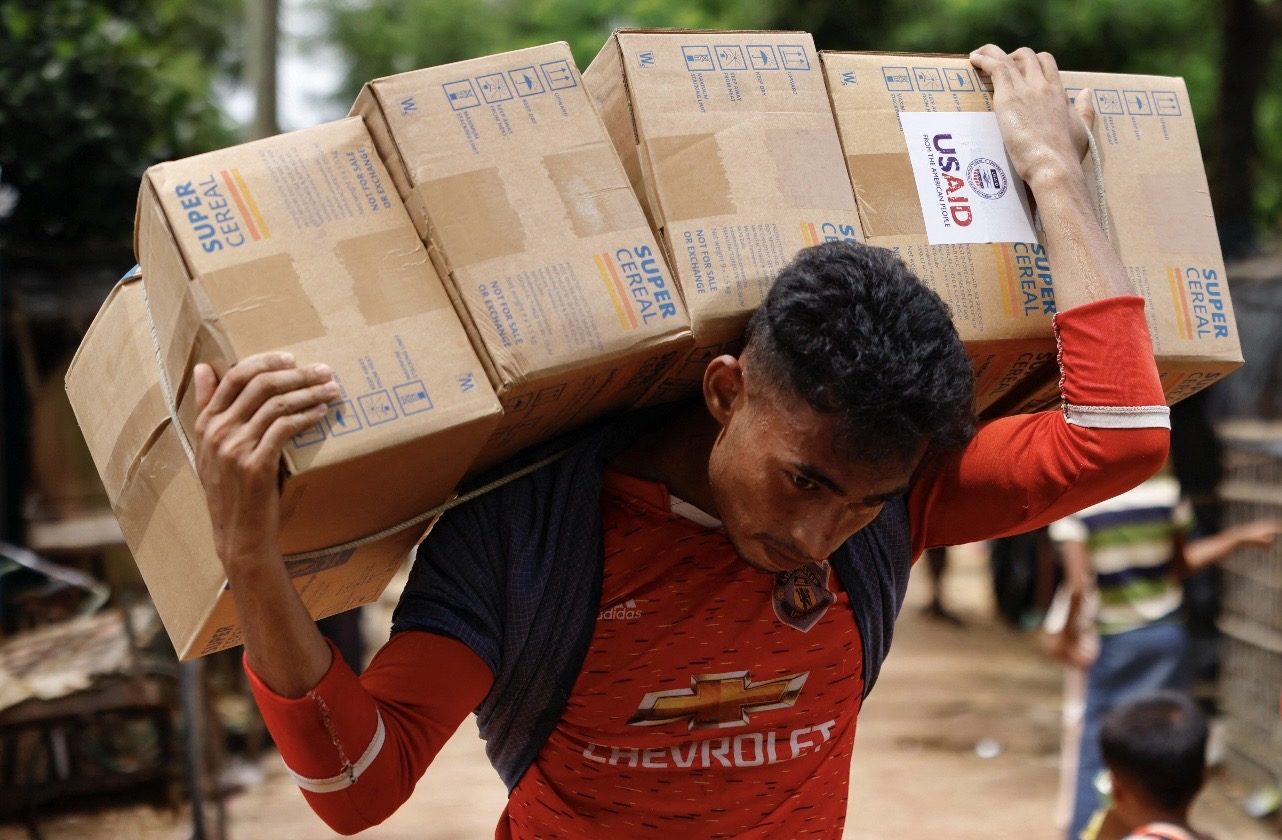
Bangladesh ranked 20th among recipients of United States foreign assistance in fiscal year 2025, receiving approximately $393.7 million in recorded disbursements, according to data compiled by USAFacts from US government foreign assistance records. The figure places Bangladesh among the leading recipients of American assistance worldwide, highlighting the continuing importance of development and humanitarian cooperation between the two countries.
The ranking comes at a time when Washington is reassessing its international assistance priorities and reducing overall foreign aid spending. Data analysed by the Pew Research Center indicate that US foreign assistance disbursements declined substantially in fiscal 2025 compared with the previous fiscal year. The change has raised questions about how funding reductions and shifting policy priorities may affect countries that rely on international support for development and emergency relief.
The US federal fiscal year runs from October 1 through September 30. Fiscal 2025 therefore covered the period from October 1, 2024, to September 30, 2025. Bangladesh’s reported $393.7 million represents recorded disbursements rather than necessarily new funding approved during that period. Some payments may relate to programmes authorised or committed in earlier years, making it important to distinguish money actually paid out from funding newly announced or promised.
American assistance to Bangladesh covers a range of areas, including humanitarian relief, public health, food security, education, economic development and governance. The precise allocation among these sectors can vary from year to year, depending on programme requirements, emergencies and changes in US policy. The overall figure does not mean that the entire amount was transferred directly to the Bangladeshi government. Foreign assistance can also be delivered through international organisations, nongovernmental organisations and other implementing partners.
Humanitarian support for Rohingya refugees is an important part of the broader international assistance effort in Bangladesh. The country hosts a large Rohingya population that fled violence and persecution in Myanmar, with many refugees living in camps in Cox’s Bazar. Humanitarian agencies provide food, healthcare, nutrition, sanitation, education and other essential services to refugees and vulnerable host communities.
US funding has contributed to humanitarian operations in the region over the years, although the exact amount allocated to individual programmes must be verified separately. Bangladesh’s total foreign assistance figure should not be interpreted as money exclusively intended for Rohingya refugees. It includes support across different sectors and may cover projects operating in multiple parts of the country.
The humanitarian situation has become increasingly challenging as international organisations face funding shortages. In March 2025, Reuters reported that the United Nations World Food Programme warned of possible reductions in food rations for Rohingya refugees unless additional funding became available. The warning highlighted the vulnerability of refugee assistance programmes to changes in international funding and the consequences that shortages can have for people who depend on humanitarian support.
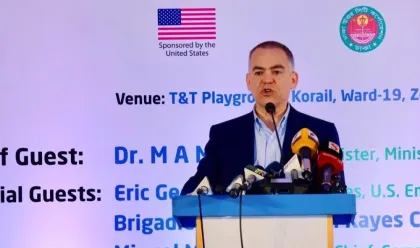
Bangladesh also maintains longstanding development ties with the United States. In September 2024, Reuters reported that a visiting US delegation announced an additional $202 million in assistance intended to support inclusive economic growth, governance and development. The announcement demonstrated Washington’s interest in supporting Bangladesh’s development objectives at that time. However, an announced assistance package and the amount disbursed in a particular fiscal year are different measures and should not be treated as interchangeable.
Bangladesh’s position in the 2025 ranking also reflects the wide variation in the scale and purpose of American assistance around the world. Countries affected by armed conflict may receive substantial security-related support, while others receive assistance focused primarily on economic development, healthcare or humanitarian relief. A ranking based on total dollars therefore does not, by itself, measure the quality of a bilateral relationship, the effectiveness of projects or the amount of assistance received per person.
Another important distinction in US foreign assistance data is the difference between obligations and disbursements. An obligation represents a formal commitment to provide funding, while a disbursement records money paid out. The US government’s ForeignAssistance.gov country data report a different total for Bangladesh’s fiscal 2025 obligations from the approximately $393.7 million in disbursements reported by USAFacts. These figures measure different stages of the funding process and are not necessarily contradictory.
For Bangladesh, the key question is how future American assistance will be affected by changing priorities in Washington. Continued funding could help sustain development initiatives, public health programmes and humanitarian operations, but the 2025 ranking does not guarantee that similar amounts will be available in subsequent years. Future support will depend on US budget decisions, programme reviews, implementation requirements and developments in Bangladesh and the wider region.
The reported ranking offers a useful snapshot of the relationship between Bangladesh and the United States. Nevertheless, the figures should be interpreted carefully, with attention to the fiscal year covered, the distinction between commitments and actual payments, and the sectors receiving support. Transparent reporting and reliable data will be essential for assessing how American assistance contributes to Bangladesh’s development and humanitarian priorities.