

U.S. Moves Troops From Several Middle Eastern Bases Amid Fears of Iranian Attacks
The United States is moving troops from several military bases in the Middle East amid concerns about possible Iranian attacks. However, the move does not mean a permanent withdrawal of U.S. forces from the region.

Reporter · CSB News USA
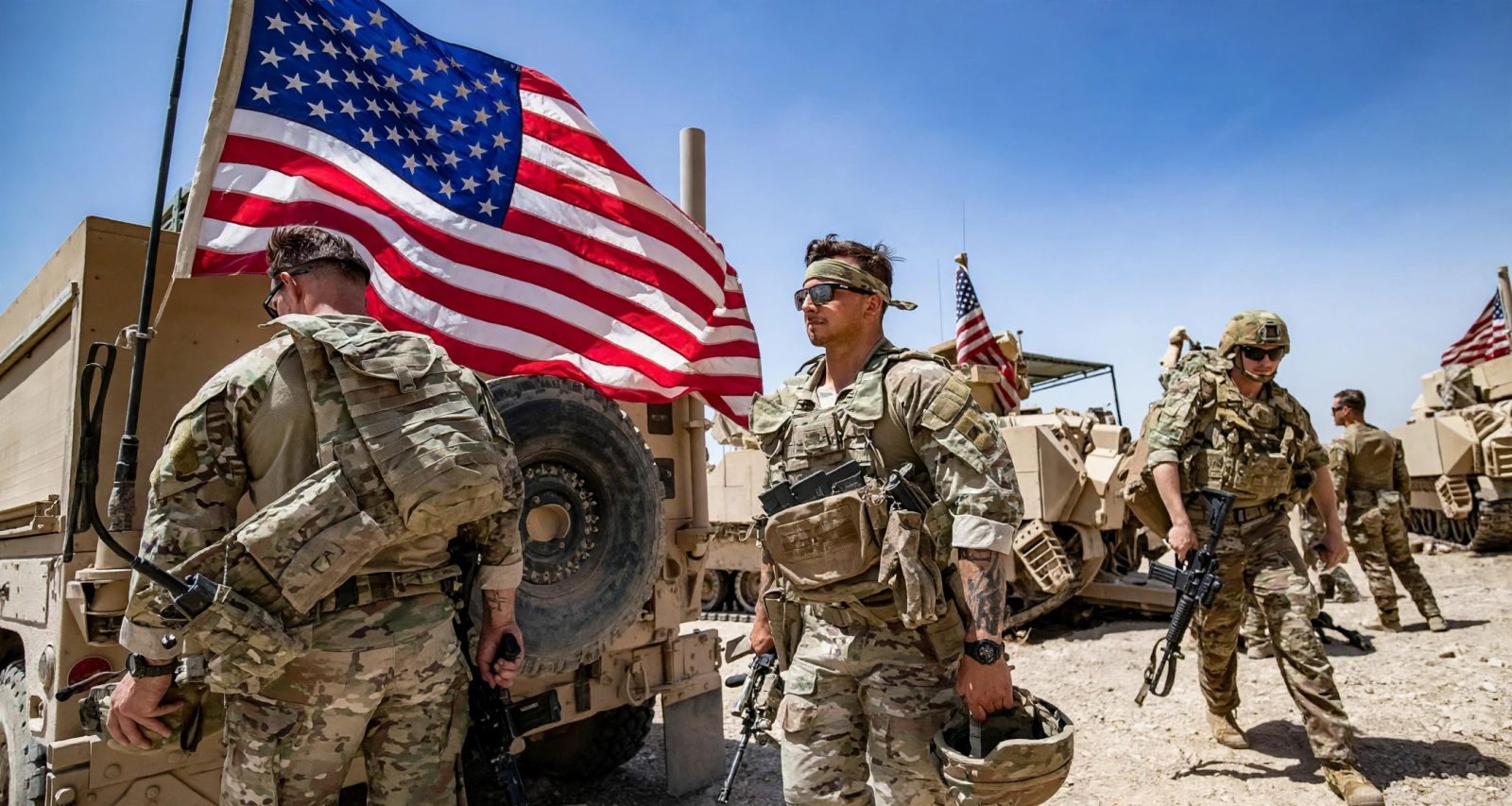
The United States is relocating some of its troops from several military bases in the Middle East as concerns grow over possible Iranian attacks. The move is aimed at protecting American personnel and maintaining military readiness amid rising regional tensions. However, the decision does not mean that the United States is permanently withdrawing all its forces from the Middle East.
According to an October 22 report by NBC News, American troops were being quietly moved from several military bases in Jordan, Qatar, and Kuwait to other locations. Citing U.S. officials, the report said the relocation process had been underway for several days. At the same time, the United States also took steps to reduce personnel at some diplomatic facilities in the region.
The U.S. Embassy in Saudi Arabia also ordered the departure of non-essential staff members and their families. The decision came amid growing security concerns in the region, including the risk of attacks by Iran-backed Houthi forces.
the U.S. military has not publicly disclosed the exact number of troops relocated or provided a detailed list of the bases involved. Tim Hawkins, a spokesperson for U.S. Central Command, said military forces and equipment are routinely repositioned to maintain operational readiness. He added that detailed information about such movements could not be disclosed for security reasons.
discussions were reportedly taking place about possible new military strikes against Iran. According to the NBC News report, U.S. military officials had presented President Donald Trump with different options for potential military action. However, the report did not confirm that a final decision had been made to launch another major attack.
The United States is also preparing to withdraw troops from Syria. Plans to remove approximately 1,000 American personnel from the country were reported in February 2026. At the time, officials said the withdrawal could take place within two months, depending on conditions on the ground. Therefore, the Syria withdrawal plan should not be presented as a new decision made following the November midterm elections.
A separate military transition has also taken place in Iraq. The U.S.-led military mission there formally ended in September 2026, following an agreement reached between Washington and Baghdad in 2024. The arrangement was designed to gradually transfer greater security responsibilities to Iraqi forces.
the November 3 midterm elections have intensified political debate over the Iran conflict and America's military role in the Middle East. Democrats won control of both the House of Representatives and the Senate, dealing a significant political setback to Republicans.
Following the election, Vice President JD Vance said the Iran war was a reason Republicans lost. His remarks added to the debate over the war and the future of U.S. military involvement in the region.
President Trump has not announced a complete withdrawal of American forces from the Middle East. The possibility of further military action against Iran also remains under consideration.
the movement of U.S. troops, the planned withdrawals from Syria and Iraq, and growing political pressure over the Iran conflict are separate developments that need to be examined individually. There is currently no confirmed evidence that Trump's troop movements are a direct result of the Republican Party's election defeat.
the relocation of American personnel is best understood as a security and military positioning measure amid concerns about possible Iranian attacks, rather than a confirmed decision to end the U.S. military presence in the Middle East.



Comments 0
Log in or create a free account to join the conversation. You can comment anonymously.
No comments yet. Be the first.