

Part of: US Midterm Election 2026
Supreme Court Rejects Trump Bid to Set Aside 20,000 California Mail Ballots
The justices rejected an emergency request to isolate disputed ballots, leaving California’s count intact before Tuesday’s crucial statewide midterm elections.

International Broadcast Journalist · CSB News USA
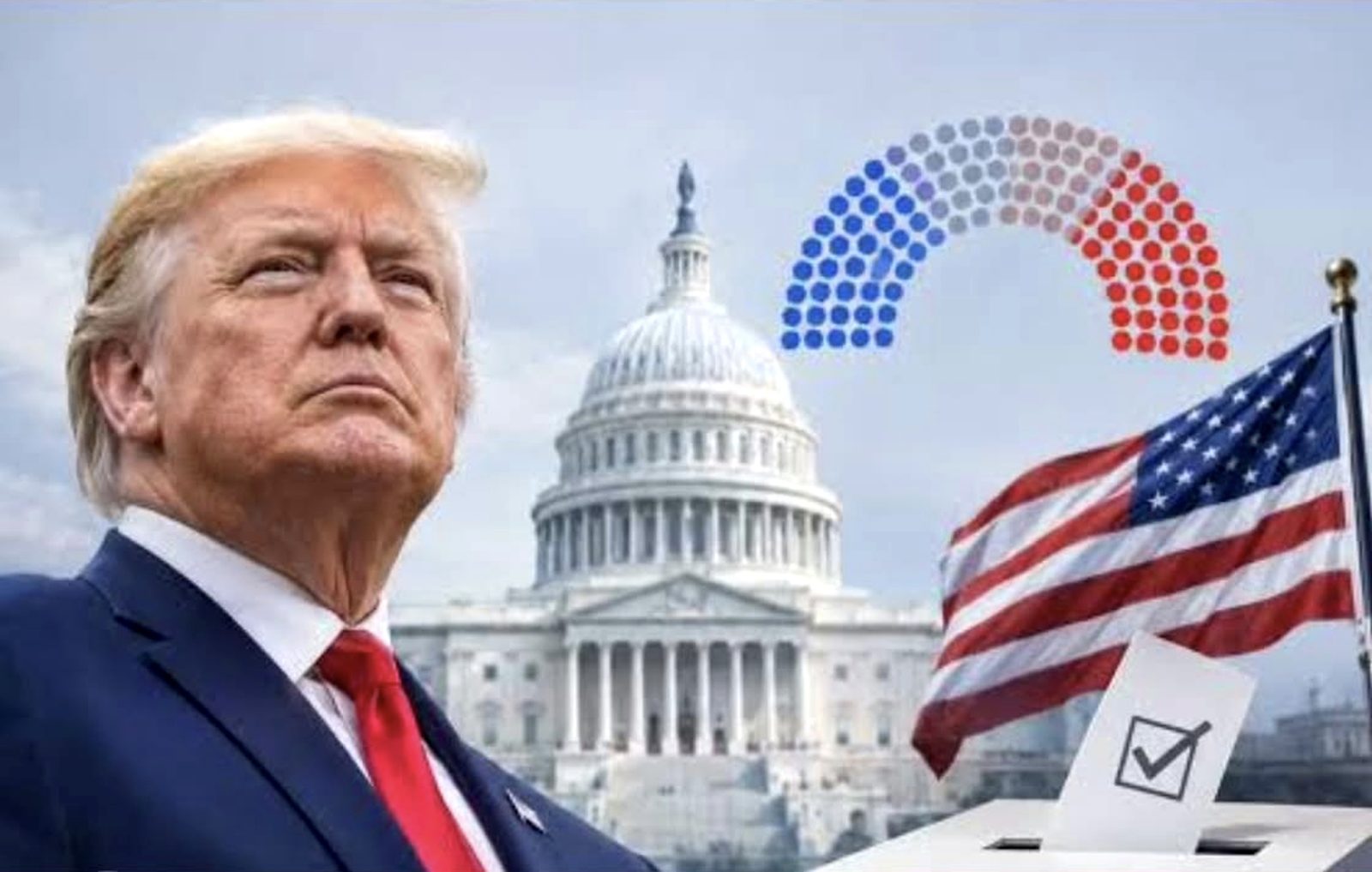
The United States Supreme Court has rejected an emergency request from President Donald Trump’s administration seeking to prevent California from counting mail-in ballots associated with more than 20,000 registered voters suspected by federal authorities of being noncitizens. The decision, issued on November 2, 2026, came just one day before Election Day in the closely watched American midterm elections.
The Supreme Court’s decision represents a significant legal setback for the Trump administration, which had sought immediate judicial intervention to require California election officials to separate the disputed ballots until the citizenship status of the voters could be verified. The court rejected the request in a brief order. No justice publicly dissented, and the court provided no detailed explanation for its decision.
The dispute developed after the Department of Justice identified more than 20,000 people whom federal officials described as likely noncitizens registered to vote in California. According to the federal government, these individuals appeared in state voter registration records and had been sent, or were expected to receive, mail-in ballots for the November 2026 federal election.
The administration argued that allowing the ballots to be counted before citizenship verification could undermine the integrity of the election. Federal officials maintained that temporarily separating the ballots would preserve the government’s ability to investigate potential violations without immediately invalidating anyone’s vote.
The Justice Department formally filed its lawsuit against California in October. It requested a court order preventing the state from counting ballots associated with individuals identified on the federal government’s list until their eligibility could be established.
According to the department’s October 15 announcement, federal investigators compared voter registration information with federal immigration records and other databases. The government said its investigation had identified more than 20,000 people it believed were likely noncitizens.
Federal officials argued that California should cooperate in verifying the individuals’ citizenship and temporarily set aside their ballots. They cited federal law prohibiting noncitizens from voting in federal elections.
However, California officials strongly challenged the administration’s findings and questioned the reliability of the federal database. They argued that the government had not provided sufficient evidence to establish that every person on its list was actually a noncitizen or even an active registered voter.
The state also warned that implementing the administration’s demand immediately before Election Day could create serious administrative problems. Election officials would have needed to identify, locate and separate thousands of ballots while the counting process was already underway.
California has more than 23 million registered voters, making the proposed intervention a substantial challenge for election administrators. More than six million mail ballots had already been returned across the state as the legal dispute reached the Supreme Court.
The Supreme Court’s intervention came after the Trump administration suffered several defeats in lower courts. On October 28, U.S. District Judge David O. Carter rejected the Justice Department’s request to force California to separate the disputed ballots.
In his ruling, Carter raised concerns about the government’s verification process and warned that the proposed intervention could deprive eligible citizens of their voting rights. He also questioned whether the federal government had demonstrated that its identification methods were sufficiently reliable.
The judge emphasized that states possess significant constitutional authority over the administration of their elections. He warned that allowing the federal executive branch to impose major changes to election procedures immediately before voting could create dangerous precedents.
The administration subsequently appealed to the United States Court of Appeals for the Ninth Circuit. A divided three-judge panel declined to grant the emergency relief, with two judges rejecting the request and one judge dissenting. The majority expressed concern that separating the ballots could disenfranchise eligible voters and jeopardize the state’s election procedures.
Following the appeals court’s decision, the Justice Department made an emergency application to the Supreme Court on November 2. The administration argued that immediate intervention was necessary because California election officials were already processing ballots. Once the disputed ballots were mixed with other valid ballots, federal officials argued, identifying and separating them later could become extremely difficult.
The Supreme Court rejected that argument without issuing a detailed opinion. The absence of a publicly recorded dissent was particularly notable because the dispute involved a major constitutional question concerning the relationship between federal election oversight and state authority.
The accuracy of the federal government’s voter list also became a central issue. Researchers associated with the University of California, Los Angeles, Voting Rights Project examined the list after gaining access through separate litigation. Their analysis indicated that approximately 42 percent of the names they reviewed did not appear in California’s current voter registration records. Researchers also identified cases involving naturalized American citizens and people whose identifying information appeared to match that of eligible citizens.
These findings raised questions about whether the federal government’s identification process could reliably distinguish noncitizens from American citizens. The Justice Department defended its investigative methods, but California officials maintained that the available information was insufficient to justify withholding ballots from registered voters.
The dispute also highlighted the difference between being suspected of an offense and being proven to have committed one. Although federal law prohibits noncitizens from voting in federal elections, appearing on a government list does not establish that an individual illegally registered or cast a ballot. Some people identified in the investigation may not have active registrations, while others may be naturalized citizens.
Independent election research has consistently found that noncitizen voting in American federal elections is rare. Although individual cases have resulted in criminal investigations and prosecutions, available evidence has not established widespread noncitizen participation in national elections.
California Governor Gavin Newsom welcomed the Supreme Court’s decision, describing the outcome as an important victory for the state’s election system. State officials argued that the administration’s demands threatened the voting rights of eligible residents and could have disrupted the orderly counting of ballots.
California Attorney General Rob Bonta also challenged the federal government’s approach. The state’s legal position was that election officials should not be forced to exclude or isolate ballots based on an inadequately verified list of suspected ineligible voters.
The Trump administration, meanwhile, maintained that its actions were intended to protect the integrity of federal elections. The Justice Department argued that preventing unlawful voting was a legitimate federal responsibility and that states should cooperate with investigations into possible violations of election laws.
The controversy extends beyond California. The Trump administration has pursued similar efforts in other states, including Washington, where federal officials raised concerns about people they suspected of being noncitizens on voter registration lists. State officials disputed the reliability of the federal information and warned against taking action that could affect eligible voters.
Another election-related dispute emerged in Alaska, where the Justice Department challenged aspects of the state’s Senate election procedures. A federal judge rejected that separate lawsuit, adding to the administration’s legal difficulties ahead of the midterm elections.
The California case is especially significant because it raises questions about how far the federal government can go in directing state election officials. The Constitution gives states an important role in determining the procedures for congressional elections, while Congress also has authority to establish certain federal election rules.
The legal disagreement is therefore not simply about whether noncitizens should be permitted to vote. Both sides acknowledge that federal law prohibits noncitizens from voting in federal elections. The central disagreement concerns how suspected cases should be investigated, what evidence is sufficient to identify an ineligible voter and whether ballots can be withheld before those questions are resolved.
The November 3 midterm elections are particularly important because voters are choosing members of the House of Representatives and several senators. The results will determine the balance of power in Congress and influence the remaining years of Trump’s presidency. Republicans are seeking to maintain their congressional majorities, while Democrats are attempting to regain control of one or both chambers.
For California election officials, the immediate priority is to continue processing ballots under established state procedures. The Supreme Court’s refusal to intervene means the administration did not obtain the emergency order it requested to require the disputed ballots to be separated.
Nevertheless, the ruling does not establish that every person on the federal government’s list is eligible to vote. Nor does it resolve every underlying question about the accuracy of voter registration records. The broader lawsuit and related legal disputes may continue through the courts.
Ultimately, the Supreme Court’s November 2 decision marks an important moment in the continuing national debate over voting rights, election security and the constitutional division of authority between Washington and individual states. It reinforces the importance of protecting eligible voters from improper exclusion while allowing authorities to investigate credible allegations of election violations.
As the United States moves beyond Election Day, the legal and political consequences of the dispute are likely to remain significant. The central challenge for American democracy will be ensuring that election security measures are based on reliable evidence, applied fairly and implemented without undermining the fundamental right of eligible citizens to vote.
Texas Voters Await Governor Results as Abbott Seeks Fourth Term Against Hinojosa
Supreme Court Blocks Trump Administration’s Bid to Set Aside 20,000 California Ballots
Court Bars Trump Administration From Sending Lists of Voters With Questioned Citizenship
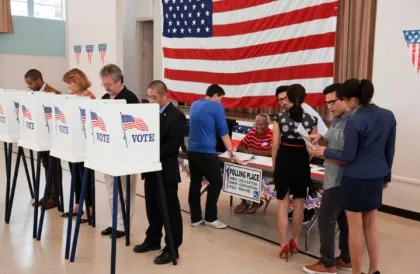
Federal Judge Allows DOJ Election Monitors at Polling Places With Strict Restrictions
Related News
Trump Makes Final Midterm Push as Democrats Lead Seven Senate Battleground Polls
Obama Leads Democrats’ Final Push Against Trump Ahead Of Crucial Midterm Elections
Democrat Haley Stevens Backs Republican Rogers, Deepening Michigan Senate Election Turmoil
Comments 0
Log in or create a free account to join the conversation. You can comment anonymously.
No comments yet. Be the first.