

Trump Administration Supports 90 U.S. Coal-Fired Power Plants
The Trump administration has provided various forms of support to 90 U.S. coal-fired power plants, including government funding, pollution rule exemptions, and orders to keep some plants operating.

Reporter · CSB News USA
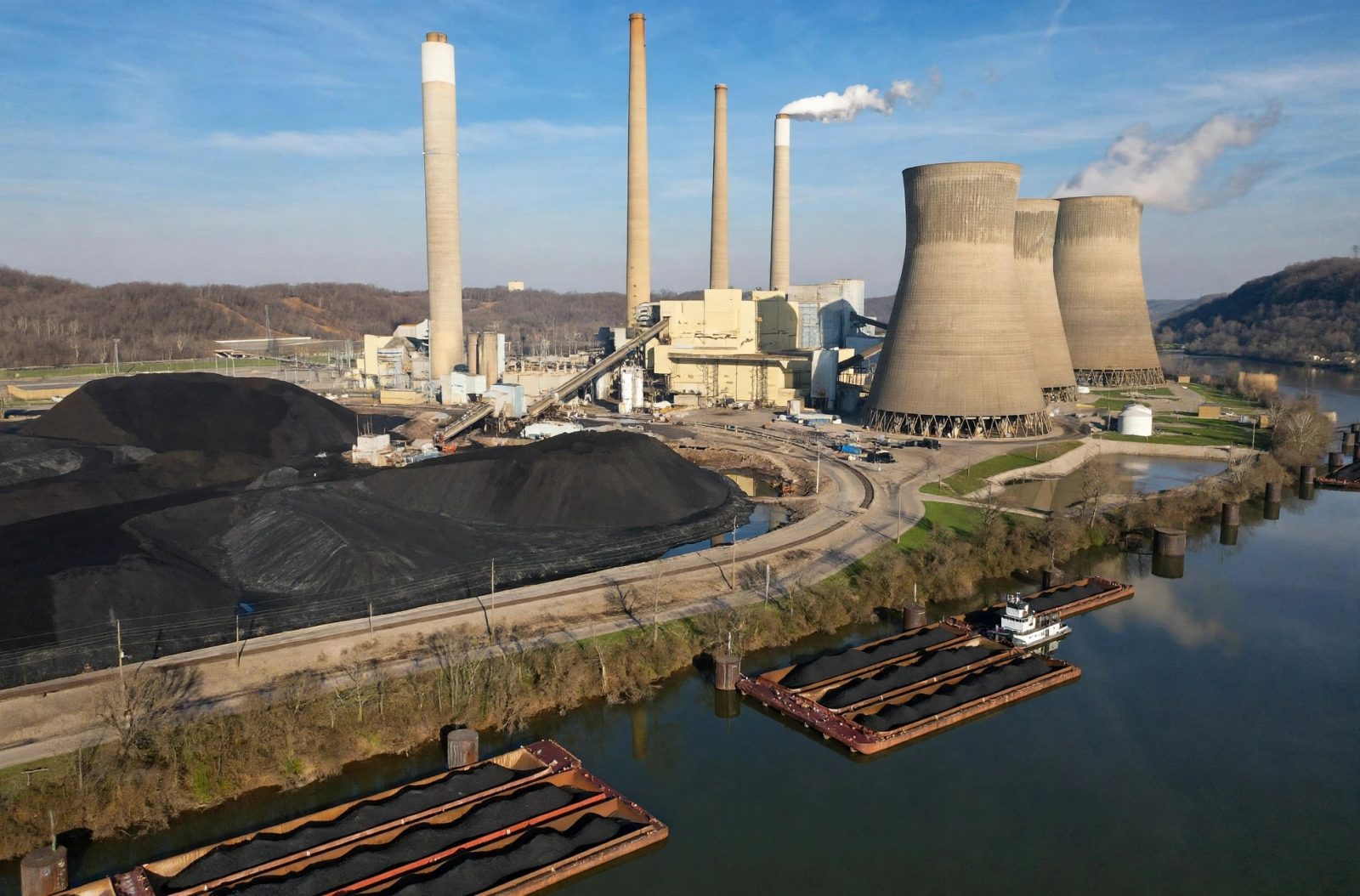
Nearly half of the coal-fired power plants in the United States have received some form of support from President Donald Trump’s administration, according to a new analysis. The support includes government funding, exemptions from certain pollution control requirements, and orders to keep some power plants operating beyond their planned retirement dates.
An analysis published on October 28 by the Environmental Defense Fund found that 90 of the 184 coal-fired power plants connected to the U.S. electricity grid received at least one form of support from the Trump administration. According to the analysis, approximately $950 million in government funding or financial commitments was directed toward supporting 24 coal-fired power plants. The assistance was intended to help maintain coal-based electricity generation.
70 power plants received exemptions from certain toxic air pollution requirements. These exemptions covered 154 generating units across those facilities, allowing them relief from specific pollution control standards. The U.S. Department of Energy also issued orders requiring six coal-fired power plants to continue operating beyond their planned retirement dates. These orders were intended to prevent the facilities from shutting down as originally scheduled.
The analysis estimated that keeping those six plants operating had resulted in approximately $593 million in additional costs for electricity customers as of October 28. It also estimated that the potential health damages associated with pollution from these facilities could reach as much as $860 million.
the figure of 90 plants does not mean that all of them were scheduled to close or that every plant was ordered to remain open. The total includes facilities that received different types of support. Some plants may have received more than one form of assistance, so the individual figures cannot simply be added together.
The Trump administration has defended its support for coal power, arguing that coal-fired plants are important for maintaining reliable electricity supplies. The administration says keeping these facilities operational can help meet growing electricity demand and strengthen national energy security. The White House and the Department of Energy have also argued that maintaining coal generation capacity is important as electricity demand increases across the country. Growing demand from artificial intelligence, data centers, industrial facilities, and other sectors has added pressure to the U.S. power grid.
Environmental groups, however, have raised concerns about the policy. They warn that keeping older coal-fired plants operating for longer could increase air pollution and expose nearby communities to harmful substances, including mercury, arsenic, and lead. Critics also argue that exemptions from pollution control requirements could delay efforts to reduce harmful emissions. Long-term exposure to certain pollutants can increase health risks for people living near power plants.
The financial impact is another major concern. Opponents of the administration’s policy say that keeping older facilities running may create additional costs that could eventually affect electricity customers. The administration, meanwhile, maintains that the measures are necessary to protect the reliability of the electricity supply.
The debate highlights a growing disagreement over the future of America's energy policy. While the Trump administration emphasizes electricity reliability and energy security, environmental groups are focusing on pollution, public health, and the potential financial burden on consumers. the new analysis shows that 90 U.S. coal-fired power plants have received some form of support under the Trump administration. The findings have renewed debate over the balance between reliable electricity, energy costs, and environmental protection.
Related News

Trump Administration Plans to Send More Than 150 Afghan Migrants Back Through Pakistan

No Clear Winner in Israel Election as Exit Polls Point to Political Deadlock
Trump’s Russia Policy Triggers Rare Bipartisan Pushback in Congress Ahead of Midterms
Comments 0
Log in or create a free account to join the conversation. You can comment anonymously.
No comments yet. Be the first.