

Part of: US Midterm Election 2026
Trump Accepts Election Defeat, Vows Cooperation With Democrats After Republican Losses
After sweeping Republican losses, Donald Trump says he will accept midterm results and seek agreements with Democrats in Washington now.

International Broadcast Journalist · CSB News USA
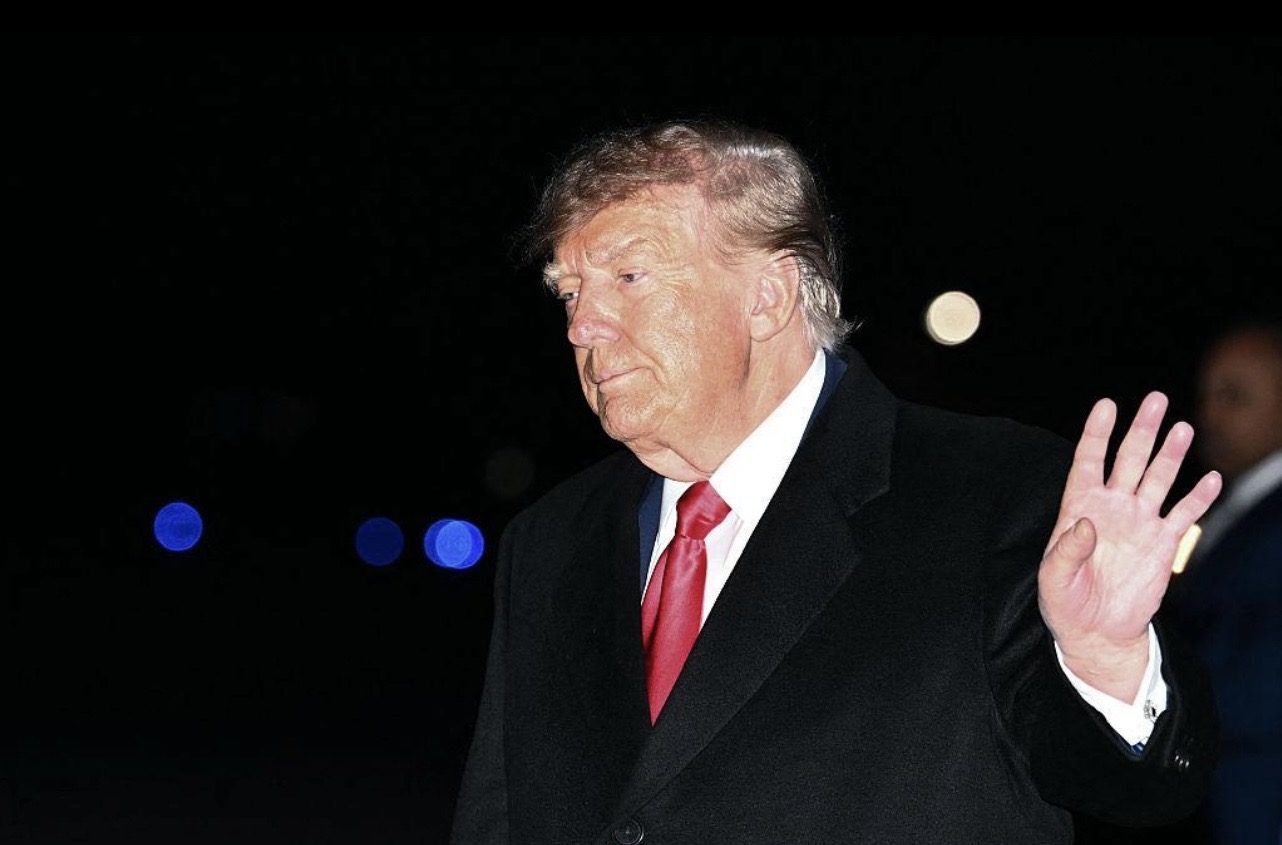
US President Donald Trump has said he is willing to accept the results of the 2026 midterm elections and work with Democrats, following a sweeping Republican defeat that has shifted control of Congress to the opposition party. His remarks came after voters delivered a significant political setback to Republicans, rejecting several candidates personally endorsed by the president.
Trump made the comments during a telephone interview with The New York Times on Tuesday night as he watched election returns from the White House. Asked whether he would accept the election results, the president said he was absolutely willing to do so. He also expressed a willingness to cooperate with Democrats, suggesting that the two parties could reach agreements on certain issues.
“We’ll work with the Democrats, and we’ll, you know, look forward to working with them. We’ll probably work something out,” Trump said, according to the newspaper’s account of the interview.
The statement represents an important moment in the political aftermath of an election that has significantly weakened Trump’s position in Washington. Republicans had entered the midterm campaign hoping to maintain control of Congress and protect the president’s legislative priorities. Instead, Democrats secured majorities in both the House of Representatives and the Senate, according to projections and reported election results.
The Democratic victories mark a major political setback for Trump, who made himself a central figure in the Republican campaign. Throughout the election season, he travelled across the country, attended rallies and urged voters to support candidates aligned with his political agenda. He repeatedly encouraged supporters to imagine that he himself was on the ballot.
However, the results demonstrated that presidential endorsements and campaign appearances were not enough to protect several Republican candidates from defeat.
Among the most significant losses were races in Texas, South Carolina, North Carolina, Ohio, Iowa and Kansas. Democrats achieved victories in several traditionally Republican states, producing a substantial change in the balance of power in Washington.
In Texas, Democrat James Talarico defeated Republican Ken Paxton in a major Senate contest. Paxton had received Trump’s endorsement despite facing political controversy and questions surrounding his record. The result ended a Republican hold on the Senate seat dating back several decades.
In South Carolina, Democrat Annie Andrews defeated Republican Darline Graham, another candidate supported by Trump. The result was particularly notable because South Carolina has traditionally been a strong Republican state.
North Carolina also delivered a significant victory for Democrats, with former governor Roy Cooper defeating Trump’s preferred Republican candidate, Michael Whatley. In Ohio, former Democratic senator Sherrod Brown defeated Republican Jon Husted, reclaiming a seat he had previously lost.
Democrats also achieved important victories in Iowa and Kansas, further demonstrating the extent of the Republican setback. The results highlighted the challenges facing Trump’s political movement, particularly in states where Republicans had expected stronger support.
Despite the losses, Trump has refused to express regret over his decision to endorse the defeated candidates. He defended his choices and suggested that his own absence from the ballot had contributed to the Republican losses.
In a social media post during election night, Trump argued that Republicans would have achieved a landslide victory if he had personally been a candidate. His comments appeared to shift attention away from his endorsements and toward his own political popularity.
The president also indicated that he intended to explain why Republicans had performed poorly. His initial reaction suggested that he believed candidate quality and individual campaign performances had contributed to the outcome.
Economic concerns were among the most important factors influencing voters. Many Americans expressed dissatisfaction with the rising cost of living, including higher prices for fuel, food, housing and other essential expenses. Inflation and the financial pressures facing ordinary households became major issues throughout the campaign.
Trump’s trade policies and tariffs also attracted criticism. According to an Associated Press voter survey, approximately two-thirds of voters believed his policies had worsened economic conditions in the country. Many voters also expressed concerns about the administration’s handling of the economy.
The conflict involving Iran and its impact on energy prices added another significant challenge for Republicans. Higher fuel costs and uncertainty over international developments contributed to public dissatisfaction.
Democrats used these concerns to challenge the president’s economic record. Their campaigns focused heavily on affordability, government accountability and the need for stronger congressional oversight.
The change in congressional control will have important consequences for the remaining two years of Trump’s presidency. With Democrats controlling both chambers, the administration will face a more difficult legislative environment.
Democrats will gain greater authority over congressional committees, investigations, budgets and legislative priorities. They will also have the ability to question administration officials, request government documents and issue subpoenas as part of congressional investigations.
Several Democratic leaders have already indicated that they intend to examine administration policies, government contracting and aspects of Trump’s political and business activities. Investigations involving the administration’s handling of major national issues could also become a priority.
The Senate majority will give Democrats significant influence over presidential nominations, including appointments to senior government positions and federal judgeships. This could make it more difficult for Trump to secure approval for some of his preferred nominees.
However, the president will retain important constitutional powers, including the ability to veto legislation passed by Congress. Overriding a presidential veto requires a two-thirds majority in both chambers, a threshold Democrats do not currently appear to possess.
Trump has already signalled that he may use this authority to block legislation he opposes. During the election aftermath, he shared an image of his familiar red campaign-style cap displaying the word “VETO.” The message suggested that despite his willingness to work with Democrats, he would not hesitate to challenge their legislative proposals.
His comments therefore present two different political messages: an offer of cooperation and a warning that major disagreements could continue.
For Democrats, controlling Congress offers an opportunity to challenge the administration’s policies and establish a stronger political position ahead of the 2028 presidential election. For Republicans, the results create pressure to reassess their campaign strategy, candidate selection and relationship with the president.
The coming months will reveal whether Trump’s promise to work with Democrats leads to meaningful cooperation or whether political divisions deepen. Important issues such as immigration, taxation, healthcare, federal spending, trade and foreign policy are likely to become areas of disagreement.
Ultimately, the 2026 midterm elections have delivered a clear political warning to the Republican Party. Trump’s decision to accept the results and express willingness to cooperate with Democrats may help reduce immediate uncertainty, but the new congressional balance will significantly limit his ability to advance his agenda without negotiations.
The challenge for Trump now will be to maintain political influence while governing with an opposition-controlled Congress. Whether he can turn his conciliatory statements into practical agreements will be one of the defining questions of the final two years of his presidency.

Supreme Court Rejects Trump Bid to Set Aside 20,000 California Mail Ballots
Texas Voters Await Governor Results as Abbott Seeks Fourth Term Against Hinojosa

Supreme Court Blocks Trump Administration’s Bid to Set Aside 20,000 California Ballots
Court Bars Trump Administration From Sending Lists of Voters With Questioned Citizenship
Related News
Supreme Court Rejects Trump Bid to Set Aside 20,000 California Mail Ballots
Trump Makes Final Midterm Push as Democrats Lead Seven Senate Battleground Polls
Obama Leads Democrats’ Final Push Against Trump Ahead Of Crucial Midterm Elections
Comments 0
Log in or create a free account to join the conversation. You can comment anonymously.
No comments yet. Be the first.