

Iran War Tensions Grow as Trump Weighs Talks and Netanyahu Pushes for New Strikes
Two tankers reportedly hit mines in Hormuz as Qatar mediates, while Trump weighs diplomacy and Netanyahu urges strikes after midterms.

Reporter · CSB News USA
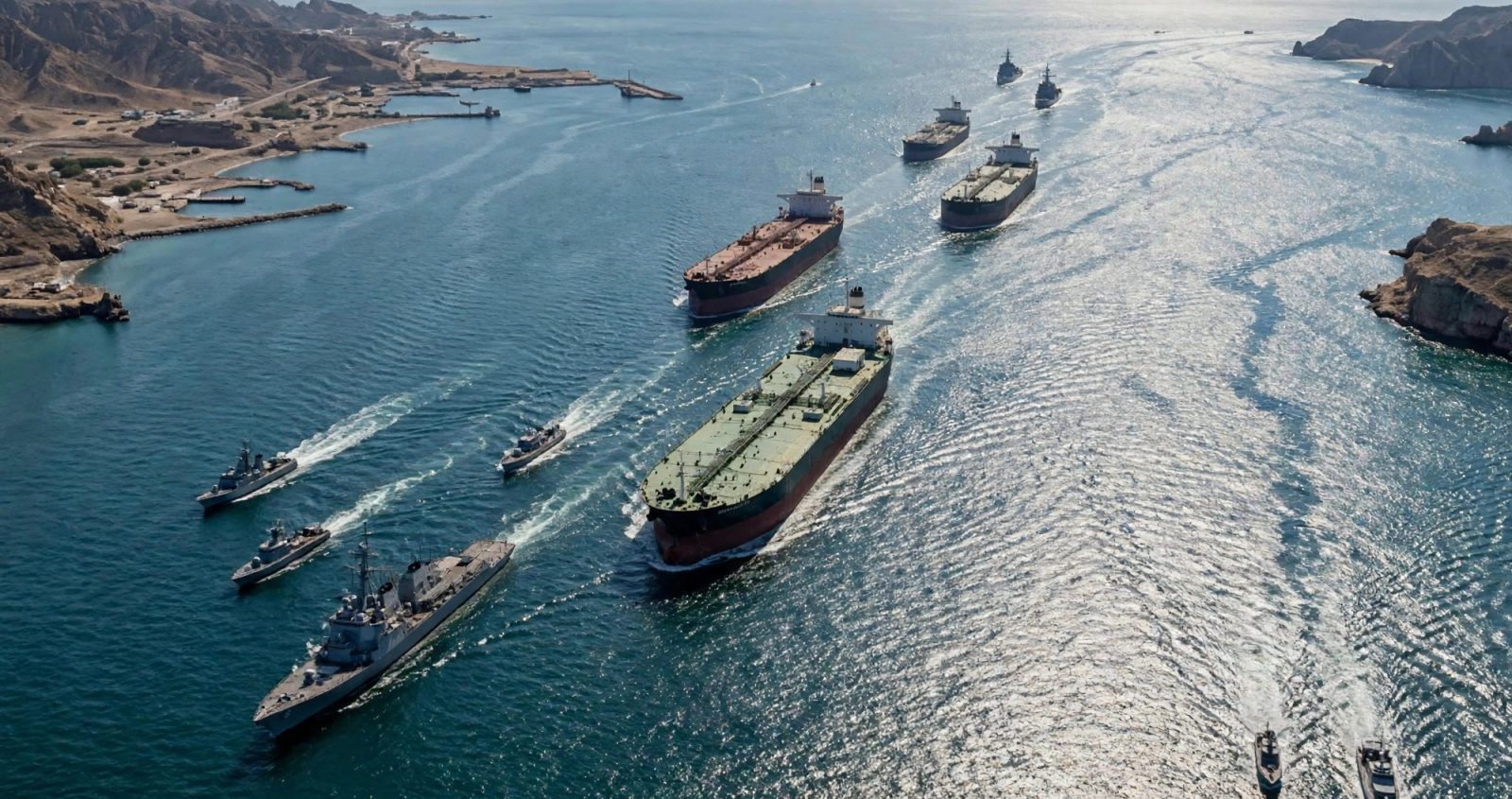
Tensions between Iran, the United States and Israel are rising again as military threats and diplomatic efforts continue at the same time. Iran’s Islamic Revolutionary Guard Corps (IRGC) Navy says two oil tankers exploded after hitting sea mines while attempting to pass through the Strait of Hormuz. The announcement comes as Iranian negotiators leave Doha following discussions with Qatari mediators over a possible agreement to end the war.
At the same time, US President Donald Trump and Israeli Prime Minister Benjamin Netanyahu have reportedly discussed the possibility of renewed military action against Iran. While Netanyahu is pushing for another round of strikes after the US midterm elections, Trump appears interested in giving diplomatic negotiations more time.
The latest developments have raised serious concerns about the future of the Middle East, international shipping and global energy supplies.
According to a Reuters report published on November 1, Iran’s IRGC Navy said two oil tankers had exploded after striking mines while travelling through what Tehran described as an unauthorized route in the Strait of Hormuz.
Iranian state media reported the military statement. However, the claim about the explosions and the cause of the incidents has not been independently verified by Reuters. The Iranian military also described the vessels as attempting to use a route that Tehran does not recognize as an authorized passage.
The incident highlights the growing dangers facing commercial ships in one of the world’s most important shipping corridors.
The Strait of Hormuz connects the Persian Gulf with the Gulf of Oman and the wider international waters. It is a critical route for oil and gas exports from several Gulf countries, including Qatar, Saudi Arabia, the United Arab Emirates, Kuwait and Iraq.
Any major disruption in the waterway can affect international energy markets, shipping costs and the price of fuel around the world.
Iran has imposed restrictions on vessels attempting to pass through the strait during the conflict. Tehran says ships must follow its designated passage rules, while the United States has challenged Iran’s restrictions and imposed a blockade on Iranian ports.
This disagreement has created a dangerous situation for commercial shipping companies. Tanker operators must consider the risks of sea mines, military activity, possible attacks and sudden changes in maritime restrictions before sending vessels through the area.
The situation is particularly important for Gulf countries whose economies depend heavily on energy exports.
Diplomatic efforts are continuing in Doha, where Qatar has been playing an important role as a mediator between Iran and the United States.
According to Reuters, Iranian negotiators left Doha on Sunday after discussions with Qatari mediators. However, their departure did not mean that negotiations had completely collapsed.
An official familiar with the discussions told Reuters that the Iranian delegation had left without a breakthrough, while a draft proposal was being circulated among the parties.
Iranian Foreign Minister Abbas Araghchi said consultations through mediators were continuing intensively. He indicated that Tehran had presented its conditions and proposals and that further progress depended on Washington’s political decisions.
Iran has also discussed reducing the implementation period of its seven-step proposal. Iranian Foreign Ministry spokesperson Esmaeil Baghaei said the revised proposal could potentially be implemented within two days.
The proposal includes several important conditions.
Iran wants the United States to lift its blockade on Iranian ports. Tehran would then reopen the Strait of Hormuz, while Washington would address restrictions on Iranian oil sales and introduce measures related to sanctions.
Iran has also made clear that negotiations over its nuclear programme should take place only after its other conditions have been addressed.
Another major disagreement concerns Iran’s highly enriched uranium stockpile. Washington has concerns about Iran’s nuclear activities, while Tehran has rejected proposals involving the transfer of its enriched uranium to another country.
This issue remains one of the biggest obstacles to a comprehensive agreement.
The United States wants a solution that addresses Iran’s nuclear programme and prevents Tehran from rebuilding its nuclear capabilities. Iran, however, wants guarantees that Washington will follow through on any agreement and will not launch another military operation while negotiations are underway.
The diplomatic situation has become even more complicated because of the political differences between Trump and Netanyahu.
According to an Associated Press report published on November 2, Netanyahu is pressing Trump to launch another major air campaign against Iran after the US midterm elections scheduled for November 3.
The report cited regional officials and a person familiar with the weekend discussions between the two leaders.
Netanyahu reportedly wants a quick but extensive military operation against Iran. However, Trump has not committed to taking military action.
Trump confirmed that he had spoken with Netanyahu over the weekend. On Sunday, he described the conversation as very good and said the two leaders had discussed Iran.
The details of their conversation were not officially released.
According to the Associated Press, a person familiar with the discussion said Netanyahu pushed for renewed military strikes, while Trump did not promise to approve the operation.
The White House did not directly respond to questions about the discussion of possible military action. The Israeli government also did not immediately provide an official comment.
US Secretary of State Marco Rubio has indicated that Trump prefers a diplomatic solution but remains confident in America’s military capabilities if military action becomes necessary.
This suggests that Washington is keeping both diplomatic and military options available.
Trump has repeatedly expressed interest in reaching an agreement with Iran. On November 2, he said that Iran wanted a deal and that an agreement could happen.
However, Iranian sources told Reuters that they still considered another US attack more likely than a successful agreement.
The timing of the diplomatic discussions is particularly significant because of the US midterm elections. Trump has previously indicated that he would not launch another attack against Iran before the elections.
The possibility of military action immediately afterward has created uncertainty across the Middle East.
Several Gulf countries are concerned that another round of attacks could spread the conflict beyond Iran and Israel.
According to the Associated Press, regional officials have warned that renewed fighting could encourage Yemen’s Houthi movement to increase attacks against Saudi Arabia and commercial shipping in the Red Sea.
Iran-backed armed groups in Iraq could also become involved.
Such developments would create additional security risks for international shipping and energy infrastructure across the region.
Qatar has particular reasons to remain concerned about the situation.
The country is one of the world’s leading exporters of liquefied natural gas. Its energy exports depend on safe maritime transportation through the Gulf.
Reuters reported on November 2 that Qatar’s energy shipping company Nakilat said one of its liquefied natural gas carriers had been struck by unidentified objects in the Gulf on Friday.
The company reported damage to the vessel but said there were no injuries and no environmental impact.
Although this incident was separate from Iran’s reported tanker mine explosions, it demonstrates the growing risks facing commercial energy vessels in the region.
The consequences of another escalation would not be limited to the countries directly involved in the conflict.
A prolonged disruption in the Strait of Hormuz could increase oil and gas prices, raise transportation costs and create additional pressure on economies that depend on imported energy.
For Qatar, the safety of shipping routes is directly connected to energy exports, international trade and economic stability.
For other Gulf countries, the situation also raises concerns about the security of ports, oil facilities, airports and other important infrastructure.
International powers are increasingly calling for a diplomatic solution.
China and Russia have expressed opposition to renewed military action and urged the parties to return to political negotiations.
China has particular economic interests in the region because it purchases significant amounts of Gulf energy products. Beijing has also indicated that it intends to become more involved in diplomatic efforts.
For now, Qatar’s mediation remains one of the most important channels for communication between Washington and Tehran.
However, the major disagreements over the US blockade, Iran’s control of the Strait of Hormuz, economic sanctions and the nuclear programme mean that reaching a final agreement will not be easy.
The departure of Iranian negotiators from Doha should not be interpreted as the end of diplomacy. Officials have indicated that discussions are continuing and that a revised draft proposal is being circulated.
The coming days could therefore become extremely important for the future of the conflict.
The central question is whether Trump will give Qatar’s diplomatic efforts more time or approve another military operation after the US midterm elections.
Netanyahu is reportedly pushing for military action, while Iran says it is prepared for both war and diplomacy.
For millions of people across the Gulf, including residents of Qatar and other neighbouring countries, the outcome could have serious consequences for regional security, energy supplies and economic stability.
At this stage, no final peace agreement has been announced, and there is no confirmed decision by Trump to launch another attack.
The situation remains highly uncertain as diplomatic negotiations continue alongside growing military pressure.
Related News
Trump Administration Supports 90 U.S. Coal-Fired Power Plants
Trump Administration Plans to Send More Than 150 Afghan Migrants Back Through Pakistan
No Clear Winner in Israel Election as Exit Polls Point to Political Deadlock
Comments 0
Log in or create a free account to join the conversation. You can comment anonymously.
No comments yet. Be the first.