

Democrats make major gains in Congress as Republicans face a significant midterm election setback.
Democrats make major gains in Congress as Republicans face a significant midterm election setback.Democrats make major gains in Congress as Republicans face a significant midterm election setback.

CSB News USA
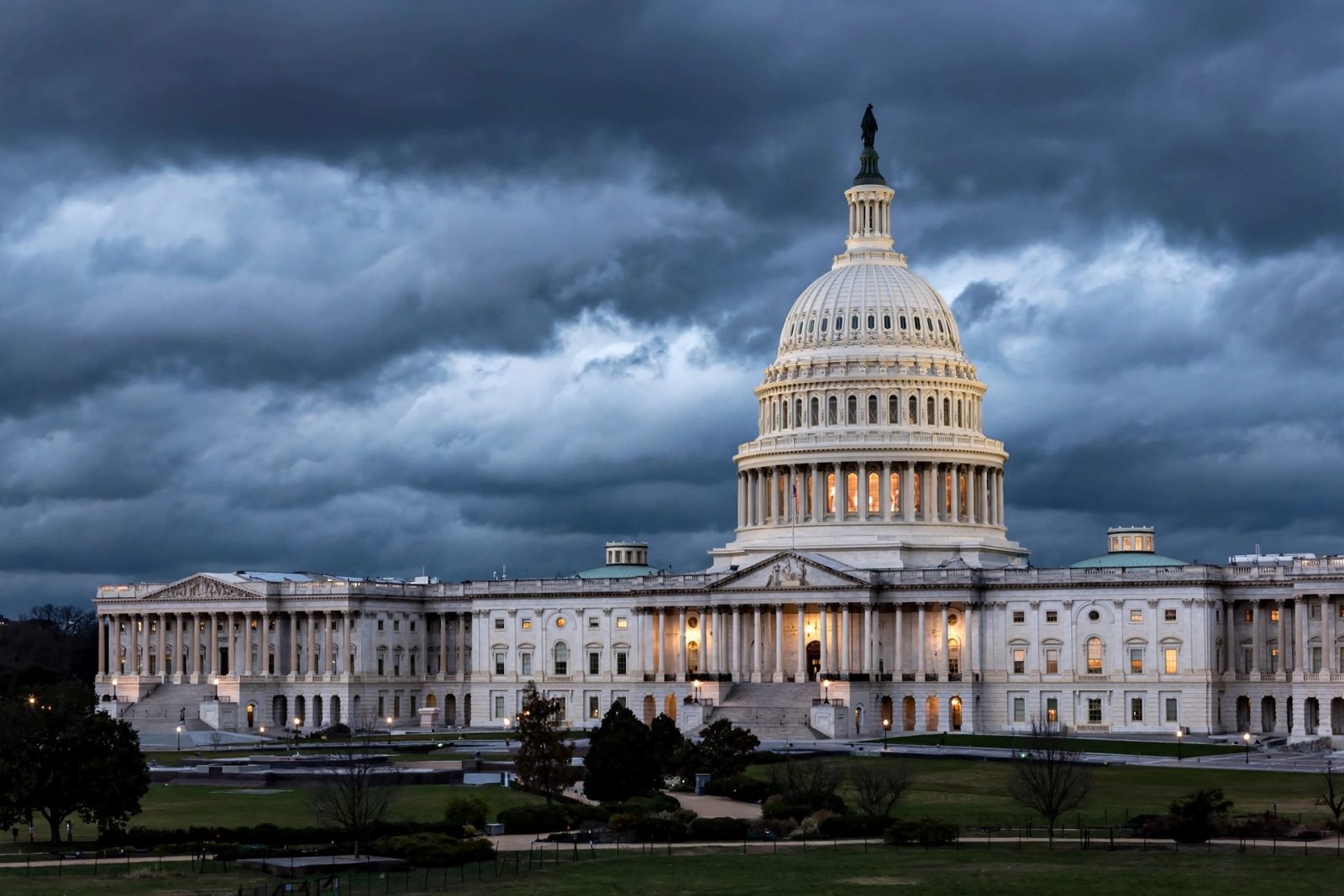
WASHINGTON: The 2026 United States midterm elections are reshaping the political landscape in Washington, with Democrats reporting substantial gains in both chambers of Congress. According to the latest figures provided, Democrats are leading in the House of Representatives by 235 seats to 146, while the Senate count stands at 54 seats for Democrats and 44 for Republicans. Vote counting is reportedly continuing in Alaska and Mississippi, meaning the final numbers may still change.
The reported results represent a significant political challenge for President Donald Trump and the Republican Party. Losing control of Congress would change the balance of power in Washington and potentially complicate the administration's efforts to advance its legislative agenda during the remaining years of Trump's presidency.
The developments also come as House Speaker Mike Johnson has announced that he will not seek reelection as Republican leader, adding another dimension to the party's post-election challenges.
Democrats Report Major Gains in the House
The House of Representatives, the lower chamber of the United States Congress, has 435 voting seats. Before the election, Republicans held a narrow majority, allowing them to control the chamber's legislative agenda and committee leadership.
The latest figures supplied indicate that Democrats are now leading with 235 seats, compared with 146 for Republicans. If these numbers are maintained in the final count, Democrats would secure a substantial majority in the House.
Control of the House carries considerable influence over the legislative process. The majority party determines the chamber's leadership, controls committee assignments and plays a central role in deciding which legislation receives consideration.
A Democratic majority would also give the party greater authority to conduct congressional hearings, investigate federal government operations and scrutinize decisions made by the Trump administration.
However, the reported figures should be treated as preliminary until outstanding races are called and the results are officially confirmed.
Senate Results Point to Another Shift in Power
The Senate results are equally significant. According to the supplied update, Democrats hold a reported 54–44 advantage over Republicans, with outstanding counting in Alaska and Mississippi.
The Senate plays a critical role in the American political system. Alongside the House, it considers and approves federal legislation, but it also has specific constitutional responsibilities involving presidential appointments, federal judges and international treaties.
If Democrats secure a majority in the Senate, the Trump administration could face a more challenging confirmation process for certain appointments. Senate leadership and committee control would also shift, potentially changing the direction of legislative debates and oversight activities.
The final balance will depend on the completion of the remaining vote counts and the official determination of the results.
Mike Johnson Announces Leadership Decision
Another major development following the election concerns Republican leadership in the House.
Mike Johnson has announced that he will not seek reelection as Republican leader, according to the information provided. His decision comes amid reports of significant Republican losses and growing questions about the party's future direction.
Johnson became Speaker of the House in October 2023 after Kevin McCarthy was removed from the position. During his leadership, Johnson became one of President Trump's key allies in Congress, working to secure Republican support for the administration's legislative priorities.
His decision not to pursue another leadership term could open the door to a new contest within the Republican Party.
Several Republican lawmakers could become part of the discussion over future leadership. The party will need to consider how to rebuild its congressional strategy, maintain unity and respond to the changing political environment.
Johnson's decision regarding leadership should not automatically be interpreted as a decision to leave Congress. The leadership position and his individual congressional seat are separate matters.
Political Challenges Ahead for President Trump
A shift in congressional control could have significant consequences for the Trump administration.
If Democrats take control of both chambers, they will have greater opportunities to challenge administration policies through legislation, congressional hearings and oversight investigations.
Major policy areas likely to receive attention include immigration, healthcare, federal spending, taxation, trade policy, employment and national security.
The administration may also encounter greater resistance when attempting to secure congressional approval for new legislative initiatives.
Nevertheless, a change in congressional control does not automatically remove a sitting president from office or end presidential executive authority. Donald Trump remains president for his constitutionally established term, which is scheduled to conclude in January 2029.
The new Congress is scheduled to begin its work on January 3, 2027. Until then, the outgoing Congress remains in place.
Democrats Face Expectations to Deliver
For Democrats, gaining congressional seats would represent an important political opportunity, but it would also bring significant responsibilities.
The party would face pressure to translate its electoral gains into legislative action. Issues such as the cost of living, healthcare affordability, employment opportunities, economic policy and government accountability are likely to remain central to congressional debates.
Democratic leaders would also need to maintain unity among lawmakers representing different constituencies and political priorities.
For Republicans, the election results could trigger an internal review of party strategy, leadership and the administration's relationship with congressional lawmakers.
The party will face questions about how to respond to the reported losses and rebuild support ahead of future elections.
A New Political Chapter in Washington
The 2026 midterm elections could mark a significant turning point in American congressional politics. The reported Democratic gains in both chambers, combined with Mike Johnson's leadership decision, point toward a period of political adjustment for Republicans and new responsibilities for Democrats.
The final outcome will depend on the remaining vote counts and official results. Once the new Congress takes office, the balance of power in Washington will become clearer.
For the Trump administration, the coming congressional session could bring increased scrutiny and more complicated legislative negotiations. For Democrats, the challenge will be demonstrating that electoral success can translate into effective governance.
The next two years will be an important test of how both parties respond to the changing political landscape.
Reporter
CSB News USA
Related News

Trump’s Midterm Election Loss Could Change America’s Foreign Policy Worldwide

Palestinian American Aber Kawas Makes History With New York State Senate Victory

White House Reminds Americans ‘Trump Is Still Your President’ After Election Defeat

Comments 0
Log in or create a free account to join the conversation. You can comment anonymously.
No comments yet. Be the first.