

Part of: US Midterm Election 2026
Trump’s Midterm Election Loss Could Change America’s Foreign Policy Worldwide
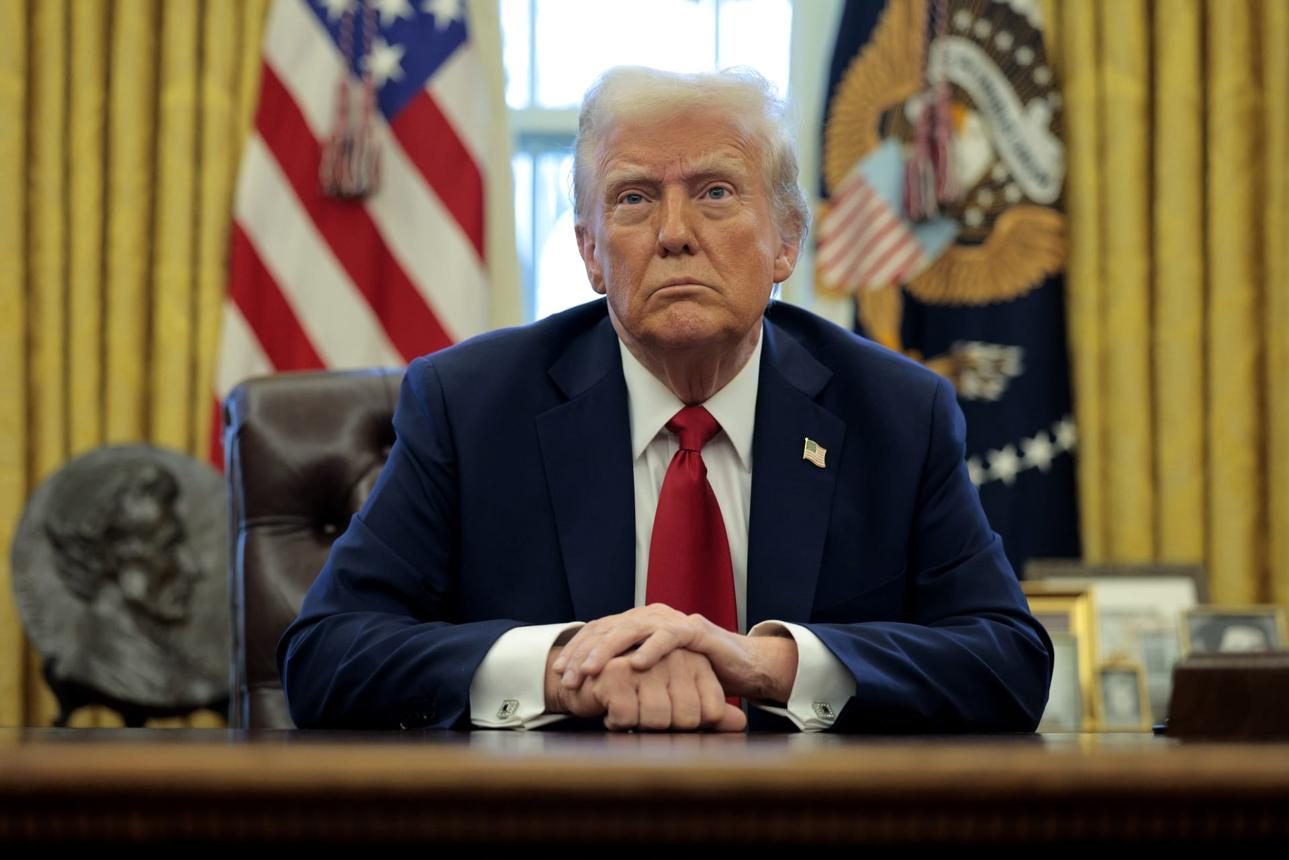
Trump’s midterm defeat has weakened his political position, raising questions about America’s future relations with allies, rivals and global partners.

Reporter · CSB News USA
8,766 views 8 min read
Listen to this article8 min
The outcome of the 2026 United States midterm elections could have consequences far beyond American borders, potentially changing the way Washington deals with its allies, rivals and international partners.
President Donald Trump has suffered a major political setback after Democrats won control of both chambers of Congress in the November 3 midterm elections. The result marks a significant shift in Washington's political balance and raises new questions about the direction of American foreign policy during the final two years of Trump's presidency.
For governments around the world, the election is important because Trump's decisions on military conflicts, international trade, immigration, security agreements and diplomatic relations can affect countries far beyond the United States.
The Democratic victory does not mean Trump has lost the presidency or that his administration must immediately abandon its existing policies. However, it means he will face a Congress controlled by the opposition party, making several major political and foreign policy decisions more difficult.
According to reporting by the Associated Press and analysis by the Council on Foreign Relations, Democrats have secured majorities in both the House of Representatives and the Senate. This will end unified Republican control of Congress and create a divided government when the new Congress takes office in January 2027.
The result is particularly important because the United States plays a central role in global security, international trade, military alliances and diplomatic negotiations. Decisions made in Washington can influence everything from energy prices and international investment to conflicts in the Middle East and Europe's security.
Trump entered his second presidential term promising an America First approach. His administration has challenged traditional diplomatic practices, introduced aggressive trade policies, pressured international partners and taken positions on several international conflicts that have created uncertainty among allies and adversaries.
The election result now raises a critical question: Will Trump change his approach to the world, or will he become more aggressive as his domestic political influence weakens?
One of the biggest issues facing the administration is the conflict involving Iran. The eight-month-old war has become a major political and economic challenge for the White House. Rising fuel prices and the wider economic consequences of the conflict have contributed to voter frustration.
Following the election, Trump acknowledged that the Iran conflict had affected the Republican Party's performance. He indicated that higher gasoline prices had created difficulties for his party, although he continued defending the decision to pursue military action.
Vice President JD Vance also directly connected the Republican losses to the war, saying that the conflict was a major reason behind the election outcome.
The Associated Press reported that Democrats are preparing to use their congressional majorities to investigate the administration's handling of the conflict and examine the costs and consequences of American military operations. They may also pursue legislation designed to limit future military action.
For countries in the Middle East, the political developments in Washington are especially important. The United States has extensive military, economic and diplomatic interests across the region. Its relationship with Israel, Gulf countries, Iran and other regional governments can influence security arrangements and diplomatic negotiations.
A Democratic-controlled Congress could increase pressure on the administration over military spending, American involvement in regional conflicts and military assistance to Israel.
Some Democratic lawmakers are also expected to seek stricter oversight of American military support and demand greater accountability regarding the consequences of military operations.
However, this does not mean American policy toward the Middle East will immediately change. Trump remains president and retains significant authority over military and diplomatic decisions. A congressional majority alone cannot automatically end an ongoing conflict or reverse every presidential decision.
The situation could become even more complicated if Trump responds to domestic political pressure by placing greater emphasis on foreign policy.
The Council on Foreign Relations has warned that a politically weakened president could become more willing to pursue an aggressive international strategy, particularly when domestic legislative priorities face resistance.
The election is also being closely watched across Europe, particularly by countries concerned about the future of the North Atlantic Treaty Organization and continued American support for Ukraine.
European governments have faced uncertainty over Trump's approach to the war in Ukraine, military assistance and America's long-term security commitments.
A Democratic majority in Congress could provide European allies with an additional source of support when they disagree with the White House. Lawmakers may use congressional oversight, defense spending decisions and legislation to protect certain security commitments.
Nevertheless, European leaders should not assume that the election will automatically improve relations with Washington.
Trump still controls the executive branch, and his administration will continue to shape American diplomatic priorities. Analysts at the Council on Foreign Relations have warned that the remaining two years of his presidency could become more heavily focused on foreign policy.
One concern among European governments is that Trump could pursue a negotiated settlement with Russia to end the Ukraine war on terms that might not fully protect Ukrainian interests.
Such a development could create further tension between Washington and European governments that believe Ukraine's sovereignty and long-term security must remain central to any agreement.
International trade is another area where the election could have major consequences.
Trump's tariff policies have created uncertainty for businesses and governments around the world. Several countries have negotiated trade arrangements with Washington while trying to avoid additional American tariffs.
Following the Democratic victory, some international partners may feel more confident about questioning American trade demands or delaying investment commitments.
A Reuters report published on November 4 said that Japan and South Korea could gain additional room to review investment commitments made during negotiations with the Trump administration.
Japan had pledged approximately $550 billion in investments in the United States, while South Korea had committed approximately $350 billion under arrangements intended to ease trade tensions.
The election could give lawmakers greater opportunities to investigate these agreements and examine whether American partners faced excessive pressure during negotiations.
European governments may also welcome stronger congressional scrutiny of trade policies, although disagreements over digital taxes, technology companies and aircraft subsidies could continue.
India, meanwhile, may adopt a more cautious approach to ongoing trade negotiations with Washington, waiting to see how American political developments affect the administration's negotiating position.
China is another major country watching the election closely.
The relationship between Washington and Beijing remains one of the most important factors in global politics. Both countries compete over technology, trade, military influence, artificial intelligence and international economic leadership.
China could see Trump's weakened political position as an opportunity to strengthen its negotiating position. However, a Democratic-controlled Congress may also make it harder for Trump to offer major concessions to Beijing.
Democratic lawmakers have generally supported stronger scrutiny of China's technology sector, particularly in areas involving advanced semiconductors, artificial intelligence and sensitive supply chains.
This means that even if Trump seeks a trade agreement with Chinese President Xi Jinping, he may face resistance from lawmakers who believe Washington should maintain stronger protections for American technology and national security.
According to Reuters, the existing trade truce between Washington and Beijing is scheduled to expire in January 2027, creating another important test for the relationship between the two economic powers.
For America's Asian allies, the election brings both opportunities and uncertainty.
Japan, South Korea and other regional partners have been concerned about Trump's tariff demands and questions surrounding American security commitments.
Democratic lawmakers may provide additional oversight of these issues, potentially giving regional governments more room to negotiate with Washington.
However, the president's authority over foreign policy means that these countries will still need to maintain direct diplomatic relationships with the White House.
The future of American foreign assistance is another important issue.
The Trump administration has already made major changes to the structure and funding of American international assistance. Democrats are expected to investigate those decisions and examine whether the administration bypassed congressional authority in certain cases.
The new Congress could seek greater transparency over foreign aid, humanitarian programs and international development spending.
However, reversing the administration's decisions will not necessarily be easy. Any major spending legislation will still require presidential approval or sufficient congressional support to overcome a veto.
The election could also affect the political future of American leadership.
Democratic leaders are expected to use their new congressional power to investigate the administration, question government officials and examine major policy decisions.
The House of Representatives and Senate have important constitutional responsibilities that extend beyond domestic legislation. They influence foreign aid, defense budgets, diplomatic appointments, international agreements, sanctions and trade rules.
The Senate also plays a critical role in confirming ambassadors and senior officials responsible for national security and international relations.
Meanwhile, congressional committees can organize hearings, request government documents and issue subpoenas as part of their oversight responsibilities.
These powers could make it more difficult for the Trump administration to implement certain policies without facing congressional scrutiny.
The new Congress is scheduled to begin its work on January 3, 2027. Until then, Republicans will retain their existing congressional majorities during the transition period.
That means the immediate impact of the election will be political rather than an instant change in government policy.
For international leaders, the next several weeks will be an important period for assessing Trump's response to the election and preparing for a new political environment in Washington.
Governments may reconsider trade negotiations, security arrangements and diplomatic strategies as they evaluate the balance between the White House and Congress.
For Bangladesh and other developing countries, developments in American foreign policy also matter. Changes in US trade rules, immigration policies, international assistance and economic relationships can affect overseas workers, students, exporters and businesses.
Countries that depend on American markets or maintain close diplomatic and economic ties with Washington will be watching the administration's next moves carefully.
Ultimately, the 2026 midterm elections have not removed Trump from power. Instead, they have changed the political environment in which he must govern.
The president still has substantial authority over foreign policy, but his ability to secure congressional support, approve spending and maintain political cooperation will face greater challenges.
The coming two years could therefore bring more congressional investigations, tougher diplomatic negotiations and renewed debates over America's role in international conflicts.
For America's allies, the election may offer an opportunity to seek greater predictability. For rivals, it may create new diplomatic opportunities. But for countries around the world, one thing remains clear: decisions made in Washington will continue to have consequences far beyond America's borders.
The real test will be whether the election encourages a more balanced American foreign policy or creates another period of uncertainty in an already complicated international environment.
More in US Midterm Election 2026
White House Reminds Americans ‘Trump Is Still Your President’ After Election Defeat
Trump Accepts Election Defeat, Vows Cooperation With Democrats After Republican Losses
Supreme Court Rejects Trump Bid to Set Aside 20,000 California Mail Ballots
Texas Voters Await Governor Results as Abbott Seeks Fourth Term Against Hinojosa
Related News

Palestinian American Aber Kawas Makes History With New York State Senate Victory
White House Reminds Americans ‘Trump Is Still Your President’ After Election Defeat
New York Mayor Mamdani Threatens Legal Action Against ICE Over Use of City Parking Lots
Comments 0
Log in or create a free account to join the conversation. You can comment anonymously.
No comments yet. Be the first.