

Democratic Midterm Victory Lifts Wall Street, Sending Dow Jones Soaring Three Percent
Wall Street rallied after Democrats captured Congress, with the Dow gaining 3.03 percent as investors welcomed reduced political uncertainty overall.

International Broadcast Journalist · CSB News USA
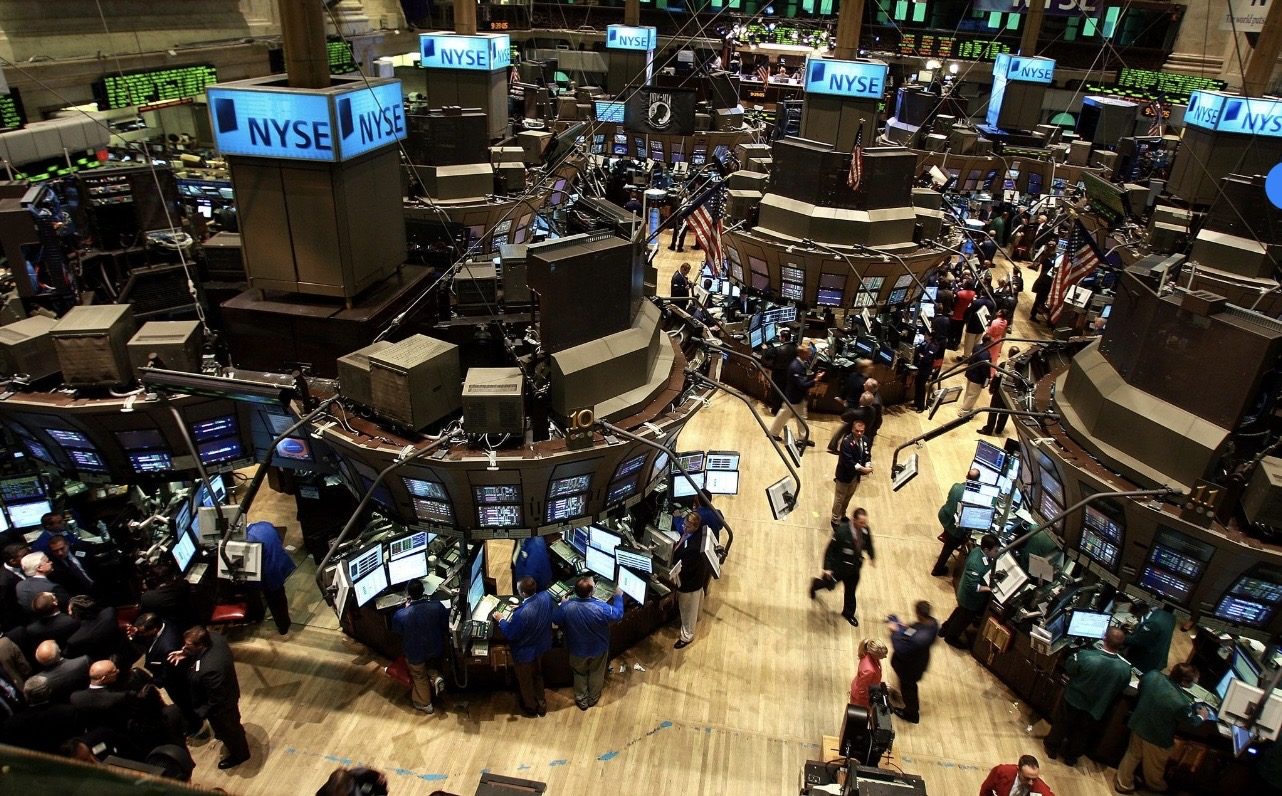
U.S. stock markets surged on Wednesday, November 4, following a historic Democratic victory in the 2026 midterm elections. Investors welcomed the election outcome, which ended the Republican Party’s control of both chambers of Congress and created a new political balance in Washington. The positive reaction pushed major Wall Street indexes higher, with the Dow Jones Industrial Average recording its strongest daily percentage gain since April 2025.
The Dow Jones climbed 1,569.40 points, or 3.03 percent, to close at 53,356.12. The S&P 500 advanced 1.58 percent to finish at 7,688.62, while the technology-heavy Nasdaq Composite gained 1.44 percent, closing at 25,736.51. The Russell 2000 index, which tracks smaller American companies, also increased by approximately 1.6 percent.
The rally reflected growing investor confidence after Democrats secured control of both the Senate and the House of Representatives. The result represents a major political setback for President Donald Trump and his Republican Party, which had previously controlled both chambers.
The election outcome is expected to reshape Washington’s political environment during the remaining two years of Trump’s presidential term. With Democrats controlling Congress, the administration could face greater challenges in passing legislation, approving spending plans and implementing major policy changes.
Investors appeared particularly encouraged by the possibility of a more balanced political system. Some market participants believe that divided political control could prevent sudden policy changes and reduce uncertainty surrounding government spending, taxation and international trade.
According to market analysts, political uncertainty had been an important concern for investors in the weeks leading up to the election. Once the results became clear, investors began adjusting their portfolios, helping major stock indexes recover and move higher.
However, the market reaction was not equally positive across every industry. Consumer-related businesses, financial institutions and several healthcare companies recorded significant gains, while energy companies and some technology infrastructure businesses experienced losses.
Hospital operators and retailers serving lower-income American consumers were among the notable beneficiaries of the rally. Investors expect that a Democratic-controlled Congress could seek to protect or restore certain healthcare and food assistance programs that faced reductions under Republican-backed legislation.
Healthcare companies attracted considerable buying interest. Shares of HCA Healthcare, one of America’s major hospital operators, rose sharply during the trading session. Retail companies also benefited from expectations that Democrats could place greater emphasis on policies addressing the rising cost of living.
Dollar Tree, a major discount retailer, was among the companies recording notable gains. Investors believe that policies supporting households struggling with higher living expenses could benefit businesses serving lower-income consumers.
The renewable energy industry also attracted attention. Solar and clean-energy companies gained as investors anticipated that Democrats would support federal incentives and funding for renewable energy development.
However, the technology industry faced a more complicated situation. While several major technology companies recorded gains, businesses involved in constructing and operating artificial intelligence data centers came under pressure.
Investors are concerned that Democratic lawmakers could introduce stricter oversight of artificial intelligence infrastructure, electricity consumption and large-scale data center construction. Such measures could increase operating costs or delay planned projects.
The debate over data centers has become increasingly important in states such as Texas and Georgia, where major technology companies have been expanding their infrastructure. Democratic candidates who raised concerns about the environmental and electricity costs of large data centers performed strongly in several important races.
Companies associated with billionaire entrepreneur Elon Musk also faced pressure. Musk had invested substantial sums supporting Republican candidates during the election campaign. Following the Democratic victory, investors reassessed the political risks facing some of his businesses.
Defense companies also experienced declines. Shares of major military contractors, including Lockheed Martin, RTX and Northrop Grumman, came under pressure as investors considered whether Democrats would challenge President Trump’s proposed $1.5 trillion defense budget.
Another important development was the sharp decline in international oil prices. Lower energy prices helped improve market sentiment by reducing concerns about inflation and the cost of doing business.
Oil prices had been affected by geopolitical tensions, particularly the conflict involving Iran and concerns about disruptions to international energy supplies. Following the election results, investors began considering whether stronger congressional opposition could increase political pressure for diplomatic solutions.
The decline in oil prices also contributed to easing pressure in the U.S. bond market. Yields on longer-term Treasury securities moved lower, while the dollar weakened against several major currencies.
The reaction extended beyond the United States. Several international stock markets recorded gains as investors assessed the implications of the Democratic victory for global trade, energy supplies and international economic policy.
Despite the strong performance, financial experts warn against assuming that the election result alone will guarantee continued stock market growth. Economic conditions, corporate earnings, inflation, interest rates and decisions by the Federal Reserve will remain important factors influencing Wall Street.
The new Congress is also not expected to take office immediately. Its new legislative session begins in January 2027, meaning investors will have to wait to see how the election results translate into actual policy decisions.
For Bangladesh, developments in the American economy are particularly important because the United States remains one of the country’s largest export destinations. The American market plays a significant role in Bangladesh’s garment industry and other export-oriented businesses.
If stronger consumer confidence and economic activity increase American demand for imported products, Bangladeshi exporters could potentially benefit. However, changes in American trade policy, tariffs, exchange rates and consumer spending will also influence future export opportunities.
Overall, the Democratic victory has delivered a significant boost to Wall Street, with the Dow Jones rising more than three percent in a single trading session. The rally reflects investor optimism about reduced political uncertainty, lower oil prices and the possibility of greater congressional oversight of government policies.
Nevertheless, whether the gains continue will depend on how Washington’s new political balance affects economic decisions, corporate investment and international relations in the coming months.
Related News

US Adds 86,000 Jobs in October as Workers Earn More by Switching Jobs
Trump Accepts Election Defeat, Vows Cooperation With Democrats After Republican Losses

Supreme Court Rejects Trump Bid to Set Aside 20,000 California Mail Ballots
Comments 0
Log in or create a free account to join the conversation. You can comment anonymously.
No comments yet. Be the first.