Rising Prices, Growing Frustration, Ohio Republicans Face Warning Signs as Some Working-Class Trump Voters Rethink Their Support
Rising fuel and grocery costs, job concerns, and the impact of the Iran conflict are prompting some Ohio working-class voters to reconsider their political choices ahead of the 2026 midterm elections.

Desk Reporter
CSB News USA
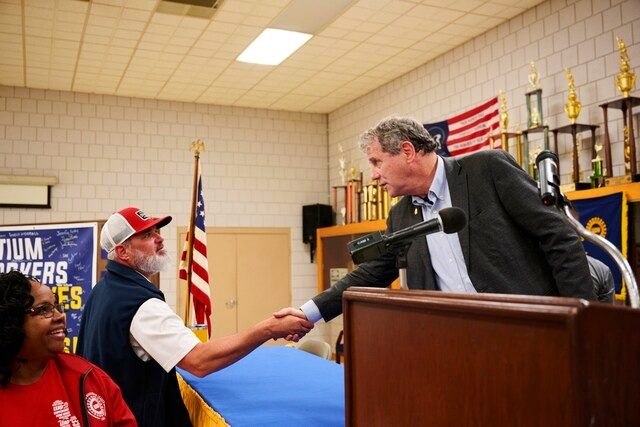
Republicans are facing a challenge in maintaining support among working-class voters in Ohio as the United States approaches its 2026 midterm elections. Some workers, factory employees, and union members who previously supported Donald Trump’s economic promises are reconsidering their political choices. Rising fuel and grocery prices, the cost of living, employment concerns, and the president’s political rhetoric are influencing their views. However, this does not mean that all working-class voters are abandoning Republicans or switching their support to Democrats.
A recent Reuters report based on interviews with voters in Ohio highlighted these changing attitudes. The state is preparing for important contests involving the U.S. Senate and the governor’s office, along with congressional races. The outcomes could influence the balance of power in Washington and determine how much legislative support the Trump administration retains during the remainder of its term.
Ohio was once considered one of the most competitive states in American presidential elections. During Trump’s political rise in 2016, many working-class voters in industrial communities supported him. They hoped his economic policies would strengthen domestic manufacturing, create jobs, and improve the financial security of their families. That support helped Republicans strengthen their position in the state. However, concerns about living costs and employment opportunities have contributed to growing frustration among some voters.
The experience of Paul Ringold, a 48-year-old steel hauler and pastor from Warren, illustrates the uncertainty facing some working-class voters. He voted for Trump in 2016, Democratic candidate Joe Biden in 2020, and Trump again in 2024. This time, however, he has not decided whom to support in the Senate, gubernatorial, and other elections. Ringold told Reuters that rising fuel and food prices, along with Trump’s aggressive political rhetoric, have made him reconsider his choices.
Democrats see an opportunity to win back voters who may be dissatisfied with the current economic situation. They hope concerns about household expenses, wages, and employment will persuade some former Trump supporters to reconsider their political loyalties. Nevertheless, it remains uncertain whether dissatisfaction will translate into a significant shift in voting behavior.
Early voting figures from Ohio have also attracted political attention. According to data cited in the Reuters report, 1,224 Democratic voters cast early ballots during the first three days in Trumbull County. During the same period, 559 Republican voters cast ballots, while 453 voters had no identified party affiliation. The figures suggest stronger early participation among Democrats in that county. However, they represent only one area and cannot establish the voting patterns of the entire state or predict the final election results.
Labor organizations have also raised concerns about economic policies and workers’ rights. Union representatives argue that certain actions by the Trump administration have weakened protections for organized labor and made it more difficult for workers to challenge unfair workplace practices. They say issues such as wages, pensions, workplace safety, and collective bargaining deserve greater attention alongside the cultural and political debates dominating the campaign.
Long-term changes in Ohio’s industrial economy are another factor shaping voters’ concerns. Citing data from the U.S. Bureau of Labor Statistics, Reuters reported that manufacturing employment in the Youngstown-Warren area declined from approximately 50,000 jobs in 1990 to around 20,000 in 2026. The region was once known for its steel and automobile industries. Although some new manufacturing facilities have opened in recent years, the loss of traditional industrial jobs continues to affect many families.
Changes in energy costs can also have consequences beyond the fuel market. Higher energy expenses can increase transportation, manufacturing, and distribution costs, potentially making goods more expensive for consumers. For working-class households already struggling with everyday expenses, these pressures can become an important factor in deciding which candidates and policies to support.
Despite these concerns, Trump retains support among voters who prioritize immigration enforcement, border security, conservative social values, and their views of his economic record. Some continue to believe that his policies better reflect their priorities, even when they are concerned about rising prices. This means economic dissatisfaction alone may not be enough to persuade them to vote for Democratic candidates.
In Ohio’s Senate race, Republican Senator Jon Husted is facing former Democratic Senator Sherrod Brown. In the gubernatorial contest, Republican Vivek Ramaswamy is competing against Democrat Amy Acton. Economic policy, employment, labor rights, and immigration are likely to remain important issues in these contests. Although Trump is not personally running in these races, his policies and popularity could influence the performance of Republican candidates.
The November 3, 2026, midterm elections will determine all seats in the House of Representatives and roughly one-third of the Senate. The results will influence whether Republicans retain control of Congress and how effectively the Trump administration can advance its legislative priorities and budget proposals. Voter attitudes in Ohio and other closely watched states could therefore have consequences for national politics.
For Bangladeshi American families, the election may also carry practical implications. Fuel prices, grocery costs, employment opportunities, labor protections, and immigration policies can affect household finances and everyday life. However, the experiences of a small number of Ohio voters should not be treated as representative of the entire Bangladeshi American community.
the changing attitudes of some working-class voters in Ohio present a warning sign for Republicans, but they do not guarantee a Democratic victory. Economic frustration, early voting participation, and criticism from labor organizations have added uncertainty to the election campaign. Ultimately, the importance voters place on household costs, employment, immigration, social values, and individual candidates will help determine the outcome.
Related News

Lindsay Clancy Trial: Lone Holdout Juror Breaks Silence Over Tense Jury Deliberations

Trump Threatens Harder Strikes on Iran as Hormuz Fighting Intensifies Across Middle East

Trump Announces Greenland Oil, Gas and Mineral Exploration, Citing National Security Concerns