Trump’s Russia Diesel Deal Faces Legal Challenge From Seven Bipartisan US Senators
Seven US senators challenge Trump’s Russian diesel deal, warning it may violate sanctions laws and provide financial support to Moscow during the Ukraine war.

Desk Reporter
CSB News USA
6 min read
Listen to this article6 min
Seven US senators from both political parties have challenged President Donald Trump’s decision to allow Russian diesel fuel imports, raising questions about whether the move violates federal law designed to prevent American money from supporting Russia’s war against Ukraine.
In a bipartisan statement released on Sunday, October 11, the lawmakers called on the Trump administration to reverse its decision. They argued that Congress had explicitly prohibited Russian energy imports following Moscow’s full-scale invasion of Ukraine in February 2022. They also accused the administration of failing to consult Congress or provide the explanation required by law for its decision.
The seven senators are Jeanne Shaheen, Richard Blumenthal and Ron Wyden from the Democratic Party, and Susan Collins, Lisa Murkowski, Thom Tillis and John Curtis from the Republican Party. Their joint statement is significant because it shows opposition to the deal extending beyond the president’s political opponents and reaching members of his own party.
The senators said the United States should not provide Russian President Vladimir Putin with additional financial resources while Russian forces continue their military operations in Ukraine. They maintained that allowing Russian fuel into the American market would undermine the purpose of sanctions imposed to pressure Moscow to end its aggression.
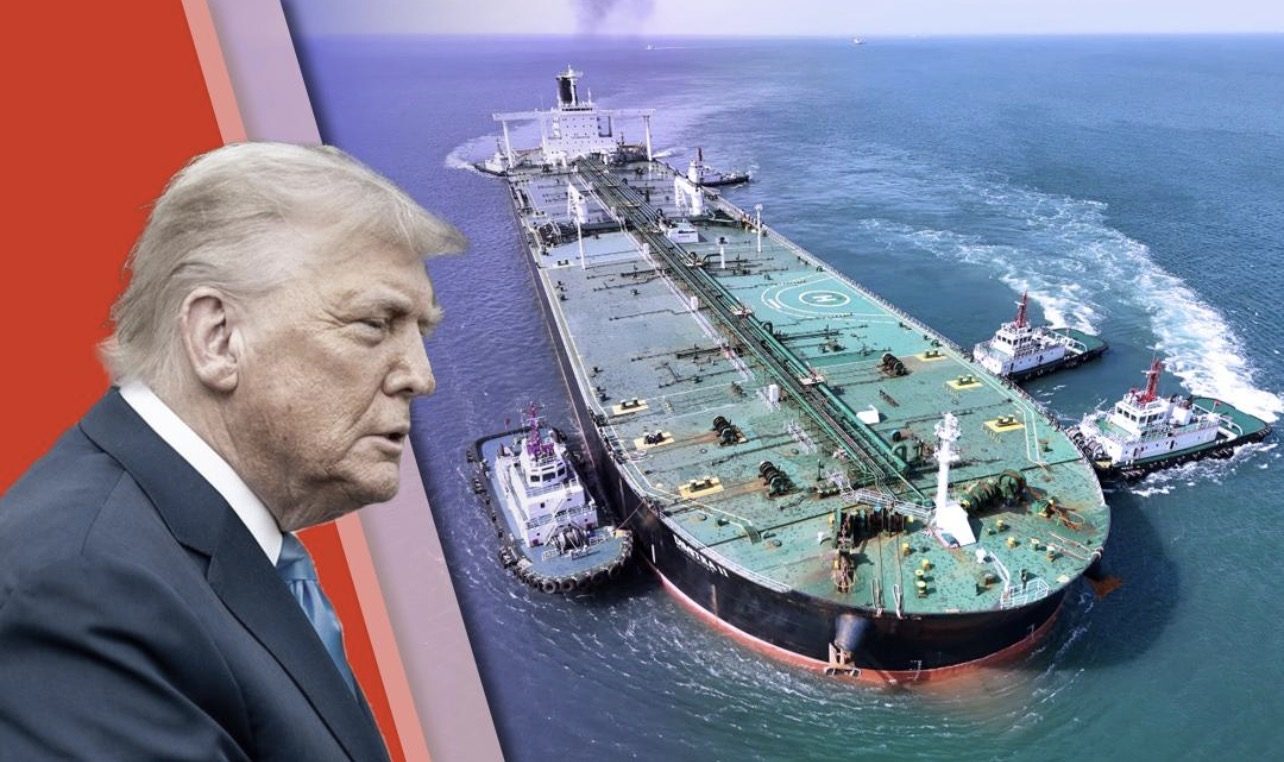
The dispute began after Trump announced a diesel supply agreement with Putin following a telephone conversation on Friday, October 9. Trump said Russia would supply diesel to the American and global markets in several stages. According to his announcement, Russia would initially provide more than 300,000 tons, followed by another 500,000 tons in November and an additional one million tons thereafter. He also described a further supply of three million tons within a relatively short period. These figures represent the president’s announced plan; they do not establish that all the fuel has been delivered or that the entire agreement has been implemented.
The administration also moved to relax restrictions on Russian diesel sales. Reporting by The Washington Post said the Treasury Department’s action would allow Russian diesel sales to the United States until April. The decision represents a significant change in policy because the United States previously restricted Russian energy imports in response to the invasion of Ukraine.
The central legal question is whether the administration can authorize these imports under its existing powers without violating restrictions established by Congress. The seven senators argue that the 2022 law prohibits Russian energy imports until Russia ends its aggression against Ukraine and stops threatening NATO allies.
They also contend that the administration failed to fulfil its legal obligations to consult Congress and explain the decision. Their statement does not itself establish that a court has found the policy illegal. Instead, it sets out their interpretation of the law and demands that the administration reverse its course.
Republican Senator Thom Tillis has expressed particular concern about the legality of the agreement. Speaking on NBC’s Meet the Press on Sunday, he said there was a legitimate basis for arguing that the president might not be following the law. Tillis also stressed that Russia was responsible for the war and could end it by withdrawing from occupied Ukrainian territory.
The administration, however, has rejected the senators’ interpretation. Treasury Secretary Scott Bessent defended the decision in an interview with Fox News, saying the government would proceed using the legal authorities available to it. He argued that the agreement would benefit Americans by helping ease fuel prices and maintained that lawmakers who believe the measure is prohibited are wrong.
This disagreement means the legality of the deal remains contested. The senators’ objections are supported by an official congressional statement, while the administration says it has the authority to proceed. A definitive legal conclusion would require a fuller examination of the applicable statutes, the Treasury Department’s authorization and any relevant judicial ruling.
The controversy also comes shortly after Trump signed the Lindsey O. Graham Sanctioning Russia and Iran Act of 2026. The legislation was intended to strengthen the United States’ ability to impose pressure on Russia and countries that continue to support its energy trade. Critics say relaxing restrictions on Russian diesel sales sends a conflicting message at a time when Washington is seeking to limit Moscow’s ability to finance its war.
For Ukraine, the issue goes beyond American fuel prices. Revenue from energy exports is an important source of income for the Russian government. Ukrainian officials and supporters of sanctions argue that reducing this revenue can limit Moscow’s ability to sustain its military campaign.
Ukrainian President Volodymyr Zelensky has criticised the agreement, arguing that allowing Russia to sell petroleum products would help finance a war that should be brought to an end. His objection reflects Kyiv’s wider concern that easing economic pressure could weaken its position in the conflict.
The timing of the decision is also politically sensitive in the United States. Congressional midterm elections are scheduled for November 3, 2026, and energy costs have become an important issue for voters. High diesel prices affect not only truck drivers but also farmers, freight companies, manufacturers and businesses that depend on transporting goods.
Diesel is especially important to the American economy because it powers much of the country's commercial transportation and agricultural machinery. When fuel costs rise, businesses may face higher operating expenses and pass some of those costs on to consumers through increased prices for food, deliveries and other goods.
Trump has presented the Russian supply arrangement as a way to increase fuel availability and reduce pressure on consumers. However, energy analysts have questioned how much the agreement can realistically lower prices.
According to analysis cited by The Washington Post, the additional supply potentially available to the American market could amount to approximately 74,000 barrels per day in the short term. That is relatively small compared with US domestic diesel production, reported at around 3.6 million barrels per day. Analysts therefore expect the immediate effect on American fuel prices to be limited.
There are also practical questions about Russia’s ability to supply the promised quantities. Russian refineries have faced disruptions, including damage associated with Ukrainian attacks, while the country has experienced pressure on its own fuel supplies. Increasing exports would require Moscow to balance foreign sales with domestic demand and available refining capacity.
Even if additional Russian diesel reaches international markets, the impact on prices will depend on several factors, including global supply, refinery operations, shipping costs, sanctions enforcement and demand. A political agreement alone cannot guarantee a sustained reduction in fuel prices.
The controversy has also drawn criticism from outside the United States. Canadian Prime Minister Mark Carney raised objections during a Sunday conversation with Zelensky, saying the deal conflicted with efforts by Ukraine, Canada and their allies to establish peace and stability in Europe, according to a statement from Carney’s office.
Within the Republican Party, reactions have not been uniform. Some lawmakers have defended Trump’s decision as an attempt to reduce costs for American households, while others have questioned whether the economic benefits justify the potential legal and strategic consequences.
The disagreement highlights a broader challenge in US foreign policy: balancing domestic economic concerns with efforts to pressure an adversary engaged in a major international conflict. Supporters of the agreement argue that increasing fuel supplies could help consumers. Opponents say the policy risks weakening sanctions and giving Russia additional revenue while the war continues.
For now, the seven senators have called for the administration to reverse the decision, but their statement does not automatically cancel the Treasury Department’s authorization. The next steps will depend on how the administration applies the relevant laws, whether Congress pursues further action and whether the legality of the decision is formally challenged.
Related News
Trump Urges Democratic Senator Fetterman to Join the Republican Party Ahead of Midterms
Trump Says Russia Agrees to Supply Over 300,000 Tons of Diesel to the US

New York City expands Fair Fares access, helping low-income riders save money