Trump Says Russia Agrees to Supply Over 300,000 Tons of Diesel to the US
US President Donald Trump says Russia has agreed to deliver more than 300,000 tons of diesel immediately, with additional shipments planned for the coming months. The announcement comes as rising fuel costs, war-related supply disruptions and domestic inflation concerns put pressure on the US economy ahead of the November midterm elections.

By CSB News USA - CSB News USA
Published on
2,002 views 43 shares 5 min read
Listen to this article5 min
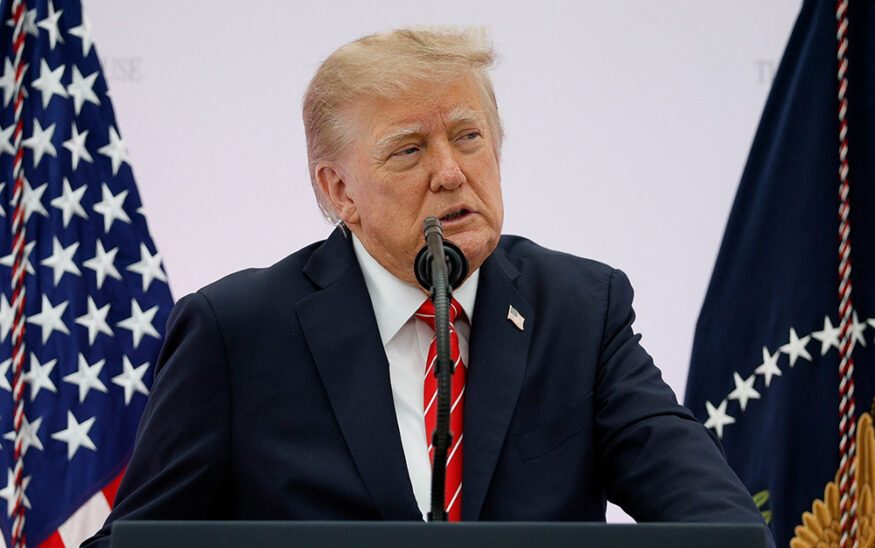
US President Donald Trump has announced that Russia will immediately supply more than 300,000 tons of diesel to the United States and the global marketplace, in a move aimed at easing rising fuel prices. Trump said the agreement followed what he described as a “highly successful” discussion with Russian President Vladimir Putin. According to Trump, further deliveries are expected in November and the months that follow, depending partly on the operating condition of Russian diesel refineries damaged during the war in Ukraine.
Trump Announces Diesel Agreement After Putin Call
In a social media post on Friday, Trump said Putin had agreed to arrange the immediate supply of more than 300,000 tons of diesel.
Trump also outlined plans for additional shipments, saying Russia would supply another 500,000 tons in November, followed by a further 1 million tons “immediately thereafter.” He said additional deliveries could follow, depending on the condition and production capacity of Russia's diesel refineries.
Several Russian energy facilities have reportedly been damaged by attacks during Moscow's ongoing war against Ukraine, potentially affecting the country's ability to maintain production.
Kirill Dmitriev, an envoy for Putin, also praised US-Russian cooperation on diesel and energy in a post on X on Friday, shortly after the leaders' discussion.
The proposed deliveries could provide an additional source of supply at a time when energy market disruptions have contributed to higher fuel costs.
Diesel Prices Put Pressure on US Consumers and Businesses
Diesel plays a central role in the US economy, powering agricultural machinery, heavy trucks, freight transportation and equipment used across several industries. It is also used in heating in some parts of the country.
Higher diesel prices can increase the cost of transporting food, agricultural products and manufactured goods. Businesses may pass some of those additional expenses on to consumers, contributing to broader inflationary pressures.
According to the report, US diesel prices have risen approximately 70% since the US-Israeli war with Iran began this year. The American Automobile Association (AAA) reported that the average US diesel price reached $6.28 per gallon on Thursday.
The price surge has increased pressure on the Trump administration to find ways to expand supplies and reduce costs for businesses and households. “Lower prices for Americans, especially our Great Farmers, Ranchers, and Truckers, is my Greatest Priority,” Trump said.
Russian Diesel Imports Raise Questions Over Sanctions
The announcement comes against the backdrop of US sanctions imposed on Russian energy companies following Russia's invasion of Ukraine in February 2022.
According to the report, the US Treasury Department issued a general license on Friday permitting imports of Russian diesel through April 7 next year.
The authorization could provide a mechanism for the proposed shipments to proceed despite the existing sanctions framework. The practical implications, however, will depend on the license's terms and the extent to which the announced deliveries are implemented.
The move also highlights the difficult balance facing Washington as it seeks to maintain pressure on Moscow over the war in Ukraine while addressing energy supply shortages and rising domestic fuel costs.
Trump Administration Considers Defense Production Act
Alongside the proposed imports, the administration is considering measures to increase domestic oil and fuel production.
Three industry sources told Reuters on Friday that Trump could issue a directive in the coming days instructing US department heads to identify ways to control diesel prices.
The directive could take the form of a presidential memorandum and could involve the use of the Defense Production Act (DPA), a Cold War-era law that gives the president powers to support the production of materials considered critical to national needs.
Under the DPA, the administration can provide loans or loan guarantees to expand domestic manufacturing and require companies to prioritize government contracts for essential goods.
Officials are also reportedly examining ways to overcome certain local and state regulatory barriers that could impede energy production and fuel use.
The administration has been weighing these options as the conflict involving Iran exposes the vulnerability of US energy markets to international supply disruptions and sudden price increases.
Existing Refineries Could Offer a Faster Solution
Refining executives who met with administration officials last month reportedly argued that federal funding would be more effective if directed toward improving existing refineries or expanding their capacity rather than financing entirely new facilities.
Building a new refinery would require substantial investment and could take years to complete. Upgrading existing plants, by comparison, could provide a more practical route to improving domestic refining capacity, although the speed and scale of any increase would depend on individual projects.
The debate reflects a broader concern within the administration about how to strengthen US energy resilience while responding to immediate price pressures.
Trump Predicts Lower Gasoline Prices
Trump has also predicted that gasoline prices will fall in the near future.
He said prices could decline to between $1.85 and $1.95 per gallon, substantially below the reported US average of approximately $4.37 per gallon on Friday, according to AAA.
However, the forecast remains a projection rather than a confirmed market outcome. Actual prices will depend on crude oil costs, refinery operations, distribution expenses, demand and developments in the international energy market.
Energy Prices Become a Political Issue Ahead of Midterm Elections
The diesel announcement comes ahead of the November 3 congressional midterm elections, which will determine control of the US Congress.
Fuel prices are an important economic and political issue because they affect household budgets, agricultural production, transportation costs and the prices of everyday goods.
For farmers and trucking companies, diesel is a major operating expense. A sustained decline in prices could ease financial pressure across supply chains, while continued increases could add to inflation and weaken consumer confidence.
The administration's efforts to secure additional imports and expand domestic production therefore carry implications beyond the energy sector.
Analysis: Actual Deliveries Will Determine the Impact
The proposed Russian shipments could help increase available diesel supplies, but their effect on US prices remains uncertain.
The impact will depend on whether the announced volumes are delivered as planned, how quickly the fuel reaches the market, the condition of Russian refineries, international shipping and distribution costs, and the broader effects of the wars in Iran and Ukraine.
Additional imports alone may not be sufficient to reverse a substantial price increase if global supply remains constrained or geopolitical risks continue to disrupt energy markets.
The proposed arrangement also raises wider questions about the relationship between US energy security, sanctions policy and relations with Russia.
Conclusion:
Trump's announcement signals an effort to address rising fuel prices through a combination of additional Russian diesel imports and measures to strengthen domestic production. With energy costs affecting businesses, consumers and the agricultural sector, the central question is whether the proposed supplies and policy changes can translate into sustained price relief before the November midterm elections.
Reporter