

Part of: US Midterm Election 2026
Supreme Court Blocks Trump Administration’s Bid to Set Aside 20,000 California Ballots
A major legal setback for the Trump administration as the U.S. Supreme Court rejects an emergency request involving approximately 20,000 California voters. The decision highlights the ongoing legal battle over voter eligibility and election rights.

Reporter · CSB News USA
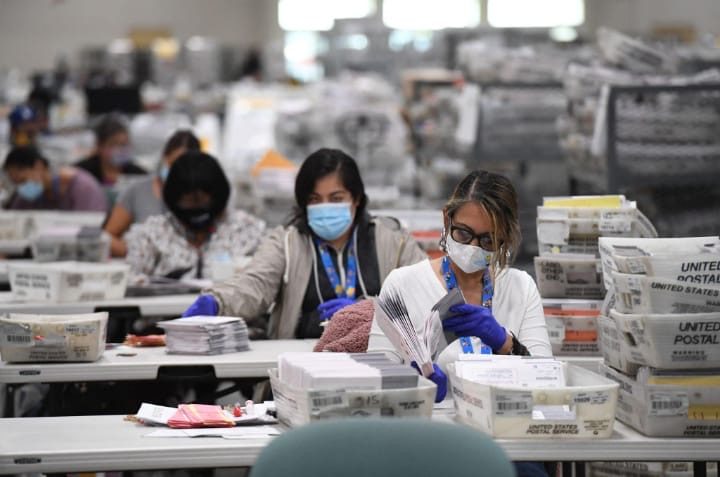
The U.S. Supreme Court has rejected an emergency request from the Trump administration seeking to separate or set aside ballots linked to approximately 20,000 California voters whose citizenship status was questioned.
The dispute centers on the federal government’s concerns about voter registration records in California. The Justice Department sought legal action involving voters whose citizenship information was reportedly unclear or under review.
The administration argued that additional verification was necessary to protect the integrity of federal elections. However, California officials opposed the request, maintaining that eligible voters should not face unnecessary restrictions based on unresolved questions in government records.
The Supreme Court’s decision represents a setback for the administration’s effort to intervene in the handling of the disputed ballots. The court rejected the emergency application, but its action did not necessarily resolve every legal issue surrounding the broader dispute.
The case has drawn attention because it involves two important principles in American elections: protecting election security and ensuring that eligible citizens are not prevented from voting.
Under U.S. federal law, noncitizens are not permitted to vote in federal elections. U.S. citizenship is generally required to participate in elections for president and members of Congress. Lawful permanent residents, commonly known as green-card holders, do not have federal voting rights simply because they live in the United States.
At the same time, questions about voter registration records do not automatically establish that someone is ineligible to vote. Election officials must follow applicable laws and procedures when reviewing a person's eligibility.
For millions of immigrant families, including Bangladeshi Americans, the issue is an important reminder to understand voter eligibility rules. U.S. citizens who are eligible to vote should make sure their registration information is accurate and follow official election guidance.
The Supreme Court’s action does not mean that noncitizens have gained the right to vote. Rather, it concerns the administration’s specific request involving disputed California ballots.
The legal dispute may continue through further proceedings, and its broader implications will depend on subsequent court decisions.
Court Bars Trump Administration From Sending Lists of Voters With Questioned Citizenship
Federal Judge Allows DOJ Election Monitors at Polling Places With Strict Restrictions
Americans Vote in 2026 Midterm Elections as Control of Congress Hangs in Balance

Vance Warns Iran Must Be Permanently Blocked From Rebuilding Nuclear Program Again
Related News
Court Bars Trump Administration From Sending Lists of Voters With Questioned Citizenship
Federal Judge Allows DOJ Election Monitors at Polling Places With Strict Restrictions
Americans Vote in 2026 Midterm Elections as Control of Congress Hangs in Balance
Comments 0
Log in or create a free account to join the conversation. You can comment anonymously.
No comments yet. Be the first.