

Trump Announces $648 Million in Firefighter Grants Supporting Over 1,600 Departments Nationwide
President Trump announces $648 million in funding for more than 1,600 fire departments and first responders to strengthen lifesaving operations nationwide.

CSB News USA
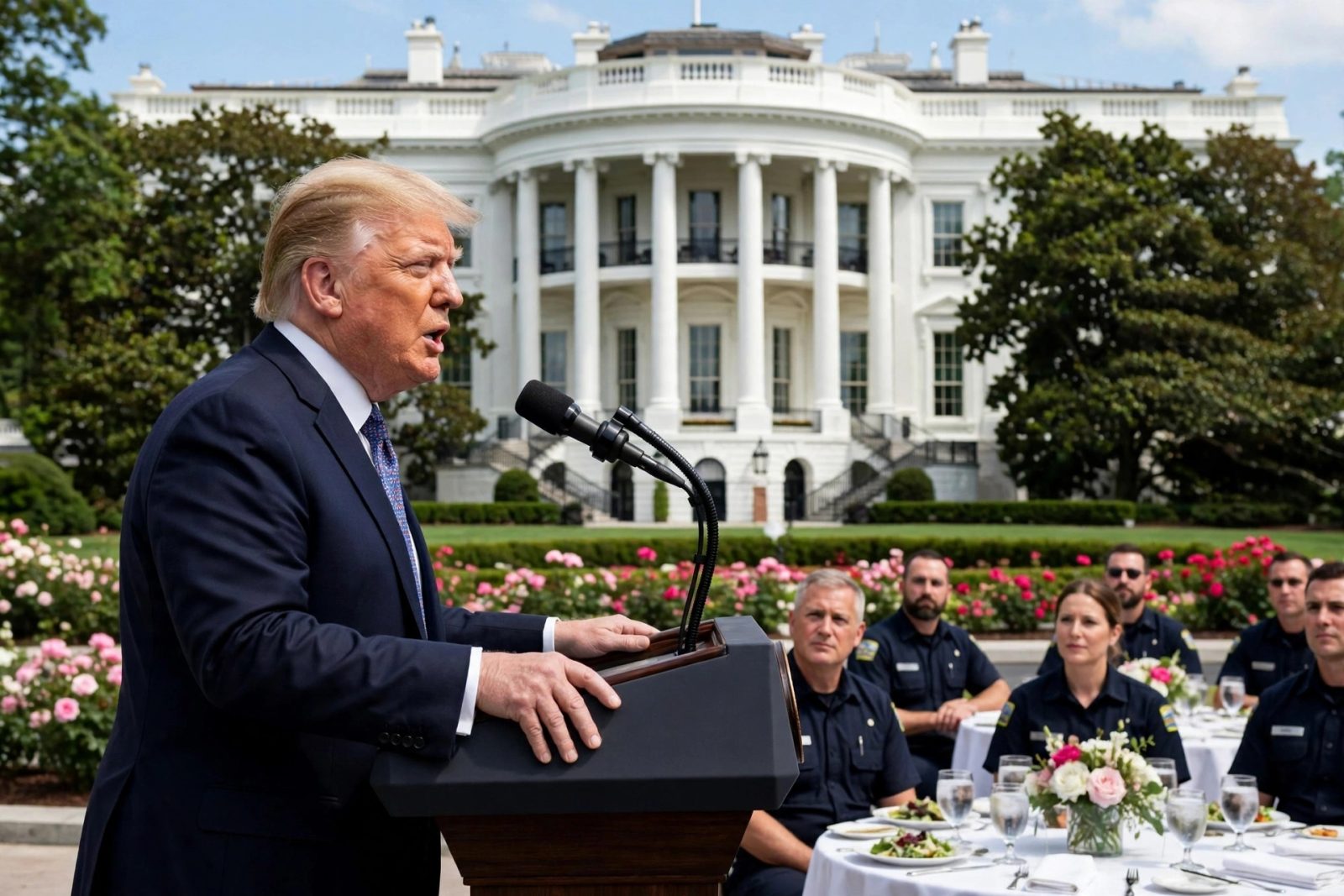
TRUMP ANNOUNCES $648 MILLION IN FUNDING FOR FIRE DEPARTMENTS AND FIRST RESPONDERS NATIONWIDE
President Donald Trump announced that his administration delivered $648 million in funding to more than 1,600 fire departments and first-responder organizations across the United States last month, highlighting support for emergency personnel who respond to fires, accidents and other life-threatening situations.
Speaking during a Rose Garden lunch honoring first responders at the White House, Trump said the funding would help emergency services obtain the manpower, equipment and resources necessary to continue protecting communities and saving lives.
The announcement places a spotlight on federal assistance for local emergency response agencies, many of which rely on a combination of local budgets, state support, federal grants and community contributions to maintain their operations.
SUPPORT FOR FIREFIGHTERS AND EMERGENCY PERSONNEL
Firefighters and first responders play a critical role in public safety across the country. Their responsibilities extend beyond fighting fires to include responding to vehicle collisions, hazardous-material incidents, natural disasters, medical emergencies and other situations in which lives and property may be at risk.
Emergency departments need trained personnel, reliable vehicles, protective clothing, communications systems and specialized equipment to respond effectively. Funding for these resources can help agencies maintain operational readiness and address equipment or staffing needs.
During the Rose Garden event, Trump emphasized that the announced funding was intended to support the people who work on the front lines of emergency response. He said the assistance would help provide the personnel and equipment needed to continue lifesaving work.
For smaller communities, financial assistance can be particularly important when local governments face competing demands for public services. Fire departments may need to replace aging vehicles, upgrade protective equipment, improve emergency communications or provide additional training for personnel.
WHY FEDERAL GRANTS MATTER
Federal grants can provide additional resources for emergency services that may otherwise struggle to cover major equipment purchases or specialized training through their regular operating budgets.
In the United States, federal fire-service assistance programs include initiatives administered by the Federal Emergency Management Agency, such as the Assistance to Firefighters Grants program and the Staffing for Adequate Fire and Emergency Response program.
These programs have different objectives. Assistance to Firefighters Grants can support equipment, training and other fire-service needs, while staffing grants are designed to help departments recruit and retain personnel.
The specific program or programs associated with the $648 million announced by Trump would need to be confirmed through official funding announcements and grant records. The overall figure alone does not establish how much each department received or which expenses the funding will cover.
MORE THAN 1,600 DEPARTMENTS REPORTEDLY BENEFIT
According to Trump's announcement, more than 1,600 fire departments and first-responder organizations received funding during the previous month.
The number of recipients suggests that the announced assistance reaches emergency-service organizations across a broad range of communities. However, the distribution of grants, the locations of the recipients and the amount awarded to individual departments were not specified in the supplied announcement.
Grant allocations can vary according to program requirements, agency needs and approved project costs. Some departments may seek funding for equipment, while others may prioritize training, staffing or improvements to emergency-response capabilities.
Official recipient lists and award notices would provide further details about how the money is distributed and the specific projects supported.
INVESTMENT IN COMMUNITY SAFETY
Emergency response capacity can have significant consequences during major incidents. When departments have adequately trained personnel and functioning equipment, they are better positioned to coordinate responses, protect emergency workers and assist residents in dangerous situations.
Nevertheless, funding alone does not guarantee improved outcomes. The effectiveness of any grant program also depends on how quickly resources reach recipients, whether departments can recruit and retain qualified personnel, and how effectively the money is used to address identified needs.
Local officials and emergency-service leaders typically determine their most urgent requirements based on community risks, staffing levels, equipment conditions and operational priorities.
The announced funding therefore raises practical questions about which agencies received assistance, what equipment or services will be purchased, and how the administration will measure the results.
A FOCUS ON FIRST RESPONDERS
The Rose Garden lunch provided an opportunity for the administration to recognize firefighters and other emergency personnel while drawing attention to federal support for their work.
First responders routinely operate in hazardous conditions, often arriving at emergencies before the full scale of an incident is known. Their work can involve exposure to smoke, dangerous materials, extreme weather and rapidly changing situations.
Maintaining effective emergency services requires continued investment in training, equipment, staffing and preparedness. Federal assistance can contribute to those efforts, particularly when local budgets cannot fully meet the cost of necessary improvements.
Trump's announcement highlights the administration's stated commitment to supporting emergency personnel through financial assistance. Further details from official government records would clarify the programs involved, the final distribution of the funding and the expected benefits for participating departments.
For communities across the United States, the central issue will be how the announced resources translate into practical improvements in emergency preparedness and lifesaving services.
Reporter
CSB News USA
Related News

U.S. Forces Destroy Iranian-Affiliated Vessel in Gulf of Oman Amid Surveillance Allegations
Bruce Blakeman Vows to End New York Sanctuary State Policies if Elected Governor

US Ends Automatic 540-Day Work Permit Extension, Raising Job Risks for Immigrants