U.S. Jobless Claims Fall, but Slower Hiring Raises Concerns Over Long-Term Unemployment
U.S. jobless claims have fallen, but slower hiring and rising long-term unemployment are creating fresh challenges for workers seeking new jobs.

U.S. Jobless Claims Fall, but Slower Hiring Raises Concerns Over Long-Term Unemployment
The U.S. labor market is showing signs of slowing, with layoffs remaining low while the pace of new hiring has weakened. According to the latest government data, 197,000 Americans filed new claims for unemployment benefits during the week ending October 3, down from a revised 199,000 the previous week.
New unemployment claims have remained below 200,000 for four consecutive weeks. The trend suggests that widespread layoffs remain limited across the United States. However, the low number of new claims does not necessarily mean that job seekers are finding employment easily. Employers have become more cautious about hiring, making competition for available positions more intense.
The latest employment report also showed that the U.S. economy added only 29,000 jobs in September. That was a significant slowdown from the revised 133,000 jobs added in August. The unemployment rate also increased slightly, reaching 4.2% in September compared with 4.1% in August.
Long-term unemployment remains another concern. In September, around 1.9 million people had been unemployed for at least 27 weeks. They accounted for more than one-quarter of all unemployed Americans. The figures indicate that while people who currently have jobs may face relatively limited risks of immediate layoffs, workers who have already lost their jobs are experiencing greater difficulty returning to employment.
Job growth has also differed considerably across industries. Healthcare added approximately 17,000 jobs in September, while construction gained about 11,000 positions and manufacturing added roughly 9,000. Government employment, however, declined by approximately 17,000 positions.
Wage growth has continued, but the pace remains moderate. Average hourly earnings for private-sector workers reached approximately $37.81 in September, an increase of five cents from the previous month. Over the past year, average hourly earnings have increased by around 3%.
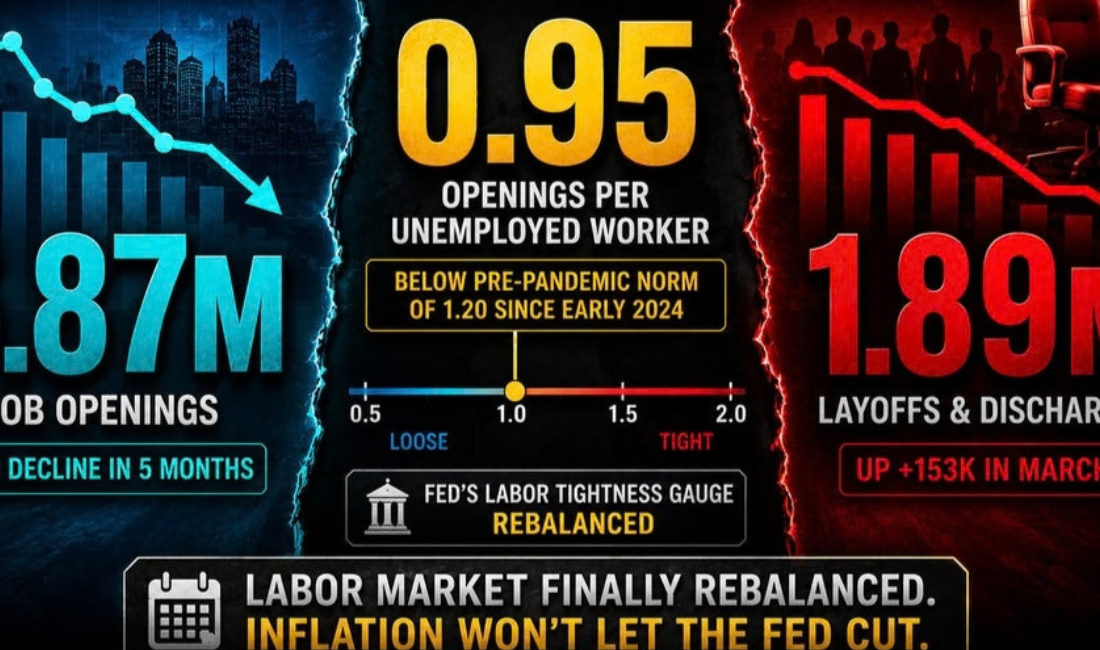
The number of available jobs has also declined. Employers reported approximately 7.1 million job openings at the end of August, while layoffs remained relatively low. The combination suggests that companies are generally retaining existing workers but are becoming more cautious about creating new positions.
Economists therefore view the current labor market as relatively stable but increasingly slow. There is no clear evidence of a broad employment collapse because layoffs remain limited and the unemployment rate is still comparatively low. At the same time, weaker job creation and persistent long-term unemployment are emerging as warning signs.
The slowdown could be particularly important for recent graduates, people changing careers, workers who have recently lost their jobs and immigrants seeking employment. A weaker hiring environment can increase competition for available positions even when companies continue to avoid large-scale layoffs.
For American households, the labor market remains closely connected to income and financial security. A strong job market generally supports consumer spending, while weaker hiring can make households more cautious about major purchases, housing decisions and other expenses.
The latest figures also have implications for the broader U.S. economy. The Federal Reserve closely monitors employment conditions when making decisions about interest rates and monetary policy. A weakening labor market could influence future policy discussions, although employment data is only one of several factors considered by policymakers.
the latest figures provide a mixed picture of the U.S. labor market. Workers who already have jobs appear to have relatively strong protection from widespread layoffs, while people searching for new employment are facing a more challenging environment. Whether hiring strengthens in the coming months will be an important indicator of the future direction of the U.S. economy.