

Part of: US Midterm Election 2026
Trump’s Russia Policy Triggers Rare Bipartisan Pushback in Congress Ahead of Midterms
President Trump’s approach to Russia and Ukraine is drawing criticism from members of both parties, creating a new political challenge ahead of the November 3 midterm elections.

Reporter · CSB News USA
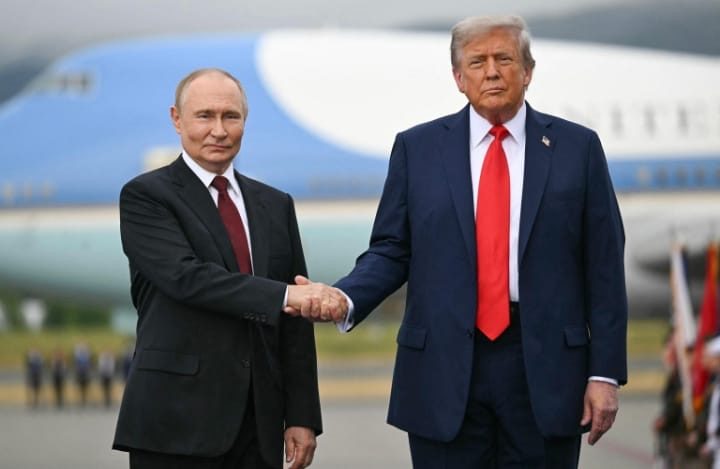
President Donald Trump’s recent decisions involving Russia and Ukraine have sparked bipartisan criticism in Congress, raising questions about the future of U.S. foreign policy as Americans prepare to vote in the November 3 midterm elections.
The dispute centers on the administration’s decision to ease certain economic restrictions on Russia while increasing pressure on Ukrainian President Volodymyr Zelenskyy. The policy has prompted concerns among some Republican and Democratic lawmakers who argue that Washington should maintain pressure on Moscow over its war in Ukraine.
According to Reuters reporting published October 22, a group of 22 House lawmakers—17 Democrats and five Republicans—sent Trump a letter on October 15 urging him to enforce sanctions legislation targeting Russia.
The lawmakers argued that Moscow should face continued economic pressure. Their intervention is significant because the criticism is not limited to Democrats who regularly oppose the president’s foreign policy.
Several Republican lawmakers have expressed concern about the administration’s approach. Representative Brian Fitzpatrick of Pennsylvania has warned that congressional scrutiny could follow decisions that weaken support for Ukraine. House Speaker Mike Johnson has also acknowledged the need to consider the potential consequences of changes to sanctions policy.
Economic sanctions are intended to restrict a government’s access to financial resources, trade and other economic activities. In Russia’s case, sanctions have been used by the United States and its allies as a response to Moscow’s invasion of Ukraine.
The Trump administration has argued that diplomatic engagement and economic flexibility could help bring the parties toward negotiations. Critics contend that easing pressure could reduce incentives for Russia to make meaningful concessions.
These competing approaches reflect a broader disagreement in Washington over whether negotiations are more likely to succeed through direct engagement or sustained economic pressure.
Trump has pursued efforts to end the war while criticizing aspects of Ukraine’s leadership and approach to the conflict. His administration’s decisions have raised concerns among lawmakers who want the United States to maintain military and intelligence support for Kyiv.
The debate also has implications for American defense policy. Congress must consider future defense authorization and government spending measures, creating opportunities for lawmakers to challenge or revise elements of the administration’s approach.
Some members of Congress have indicated that they could seek stronger oversight of decisions affecting assistance to Ukraine and the use of U.S. intelligence capabilities.
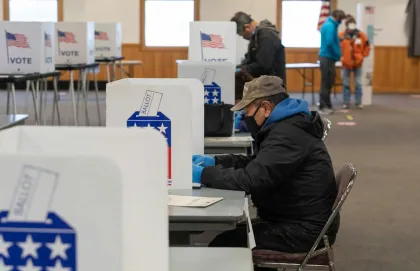
Trump Administration Faces Legal Fight Over Alaska Senate Election Certification
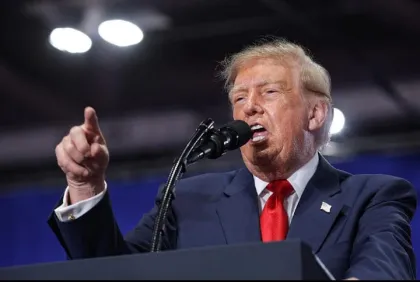
Trump’s Alaska Election Lawsuit Triggers New Battle Over Senate Race
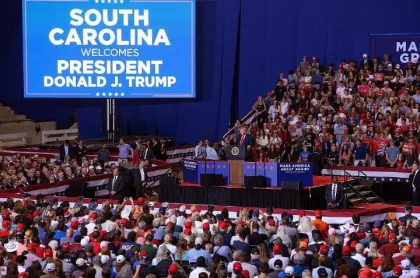
Trump’s Campaign Spending Surges as Midterm Battle Intensifies

Trump Administration Faces Court Challenge Over 20,000 California Mail-In Ballots Ahead of Midterm Elections
Related News
Trump Hints at Possible Move on Cuba After Iran War, Raising New Concerns
Trump Weighs New Strikes on Iran While Keeping Door Open to a Deal
Trump Announces $8 Billion Aid Package for U.S. Farmers Facing Rising Fuel Costs

Comments 0
Log in or create a free account to join the conversation. You can comment anonymously.
No comments yet. Be the first.