

Part of: US Midterm Election 2026
Early Voting Surpasses 40 Million As US Midterm Election Battle Intensifies
More than 43 million ballots have been cast early, intensifying attention on turnout, battleground states and control of Congress ahead nationally.

International Broadcast Journalist · CSB News USA
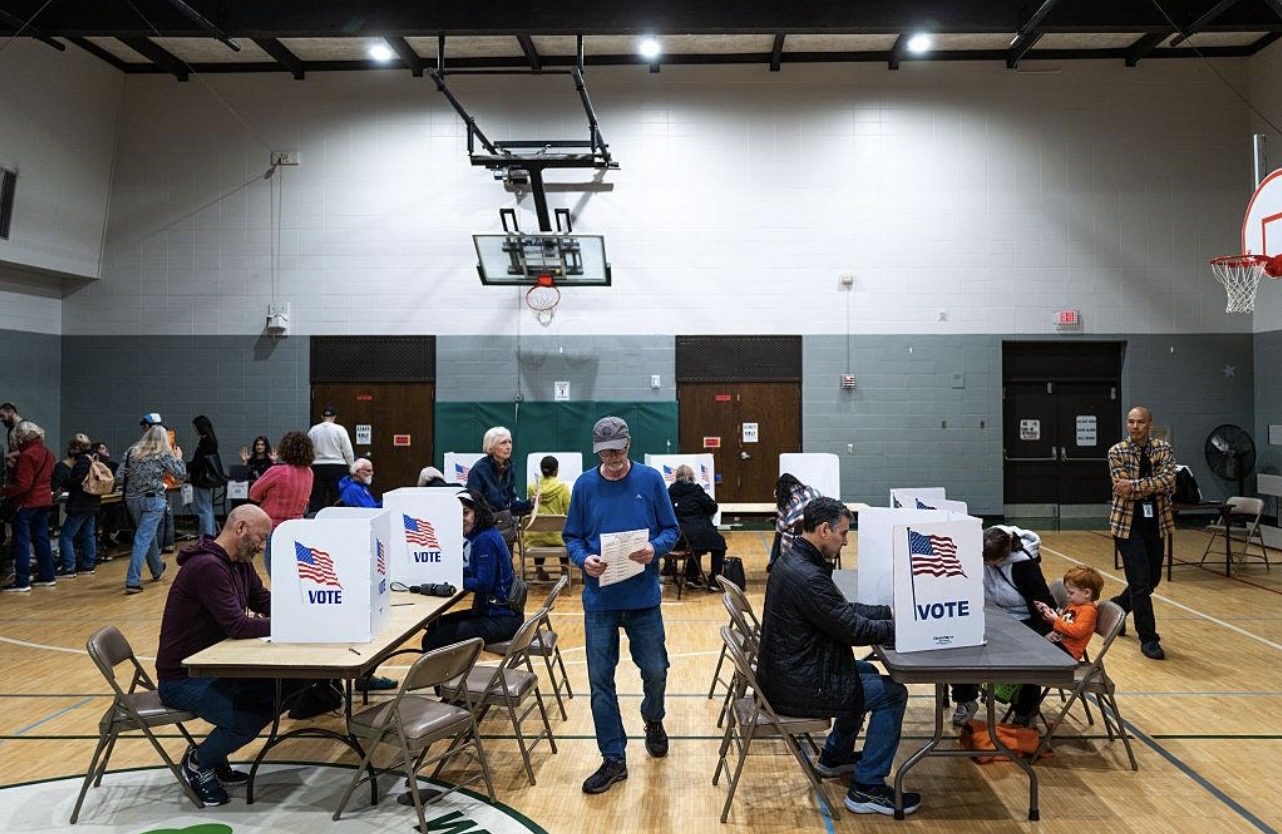
More than 43 million Americans have already cast their ballots ahead of the November 3, 2026, midterm elections, highlighting an intense wave of voter participation across the United States. With Election Day approaching, early voting is emerging as a major feature of this year’s political contest, as voters in several states take advantage of in-person polling and mail-in ballot options.
According to a report published on October 29, 2026, by the BBC, more than 43 million Americans had voted early, based on figures from the University of Florida Election Lab. The rapid increase comes as political parties intensify their final campaign efforts to mobilize supporters and secure crucial votes before Election Day.
However, the precise national total varies depending on the reporting time and the sources used. The University of Florida Election Lab’s tracker was updated at 9:45 p.m. Eastern Time on October 29. Another independent tracker reported approximately 41 million ballots across 47 states as of October 29. These differences reflect reporting schedules, data coverage and updates from individual state election authorities. Therefore, the figure of more than 43 million should be understood as a reported estimate rather than a final nationwide count.
The growing participation is particularly significant because several competitive elections could determine the balance of power in Congress. Americans are preparing to elect all 435 members of the House of Representatives, as well as 35 senators. Thirty-six states are also holding gubernatorial elections, making the November vote important for both national and state-level political leadership.
Republicans currently control both chambers of Congress under President Donald Trump. Democrats are attempting to regain control of the House and challenge the Republican majority in the Senate. The outcome could significantly influence the administration’s ability to advance legislation, approve government spending and pursue its domestic policy priorities during the remaining two years of Trump’s current presidential term.
According to a Reuters election explainer published on October 19, Republicans held a 218-214 majority in the House, with two vacancies and one independent member caucusing with Republicans. Democrats need a net gain of four seats to secure control. In the Senate, Republicans held a 53-47 majority, meaning Democrats also need a net gain of four seats to take control.
Several states are attracting particular attention because of their competitive Senate and gubernatorial contests. Texas, Georgia, Florida, North Carolina, Michigan, Ohio and Iowa are among the states receiving significant attention from national political campaigns.
Texas has recorded especially strong early participation. According to reporting based on the University of Florida Election Lab, more than 5.6 million ballots had been cast in the state by October 29. The state is also facing an important Senate contest between Democratic candidate James Talarico and Republican candidate Ken Paxton. The outcome could influence the national balance of power in the Senate.
Georgia has also reported substantial voter participation. On October 29, CBS News Atlanta reported that more than 2.29 million people had voted in person during the early voting period. This surpassed the approximately 2.28 million in-person early votes recorded during the 2022 midterm elections. More than 108,000 absentee ballots had also been accepted, demonstrating the scale of participation in the state.
Florida is another important state. Its early voting figures have attracted attention because of the state’s closely divided political environment. Reporting from October 28 indicated that more than 3.5 million ballots had already been cast, including in-person votes and returned mail ballots. Although Republicans held a narrow advantage among some categories of early voters, the overall numbers do not establish which candidates are leading in the election.
North Carolina and Michigan are also important battlegrounds. Both states have competitive political contests that could influence congressional control. Campaign organizations are focusing on encouraging supporters who have not yet voted to participate before November 3.
Another notable development is the participation of younger voters, Hispanic communities, Black voters and people who do not regularly participate in elections. An ABC News analysis published on October 28 identified signs of increased Democratic enthusiasm among less-frequent voters in Texas and Georgia. The analysis suggested that Democrats were attracting a greater share of these voters than they had in the previous midterm election. However, these findings do not establish how the final results will turn out.
Economic concerns are also playing a significant role in the election campaign. Rising household expenses, food prices, fuel costs, employment opportunities, immigration and healthcare are among the major issues influencing political discussions. Democrats have criticized the Trump administration’s economic policies, while Republicans are defending their legislative record and emphasizing border security, economic growth and national security.
The growing use of mail-in voting has also become an important political issue. A Washington Post report published on October 29 examined how mail voting is changing across different states despite Trump’s criticism of the practice. State election laws continue to determine who can vote by mail, when ballots must be returned and how election officials process them.
Despite the impressive early voting figures, election experts caution against treating them as a prediction of the final outcome. Early voting totals show how many ballots have been cast, not which candidates have received those votes. Furthermore, states have different election laws, voting schedules and reporting procedures, making direct comparisons difficult.
The University of Florida Election Lab, maintained by political scientist Michael McDonald, provides a nationwide tracker using information from state and regional election authorities. Its data also shows that party registration, where available, should not be confused with actual voting preferences. A registered Democrat may vote for a Republican candidate, and vice versa.
The final days before November 3 will therefore be crucial. Both parties are expected to continue organizing rallies, contacting registered voters and encouraging supporters to visit polling stations. The election results will determine not only the future composition of Congress but also the political environment surrounding Trump’s administration.
With more than 43 million ballots reportedly cast before Election Day, the 2026 midterm elections are entering a decisive stage. Whether the high early participation translates into a change in congressional control remains uncertain. The final outcome will depend on the remaining early ballots, Election Day participation and the results across the country’s most competitive races.
Kamala Harris Warns Democrats Against Impeaching Trump After Midterm Election Victory

Trump Faces Midterm Pressure as 32% Approval Rating Raises Questions About Republican Prospects

Trump’s Texas Campaign Faces Iran War, Rising Fuel Costs Ahead of Midterms

Trump Returns to Kansas as Republicans Fight to Defend Senate Majority Before Midterm Elections
Related News
Kamala Harris Warns Democrats Against Impeaching Trump After Midterm Election Victory
Trump Faces Midterm Pressure as 32% Approval Rating Raises Questions About Republican Prospects
Trump’s Texas Campaign Faces Iran War, Rising Fuel Costs Ahead of Midterms
Comments 0
Log in or create a free account to join the conversation. You can comment anonymously.
No comments yet. Be the first.