

Part of: US Midterm Election 2026
Kamala Harris Warns Democrats Against Impeaching Trump After Midterm Election Victory
Kamala Harris says Democrats should prioritize investigations and accountability over another Trump impeachment, citing limited resources and insufficient Senate votes.

International Broadcast Journalist · CSB News USA
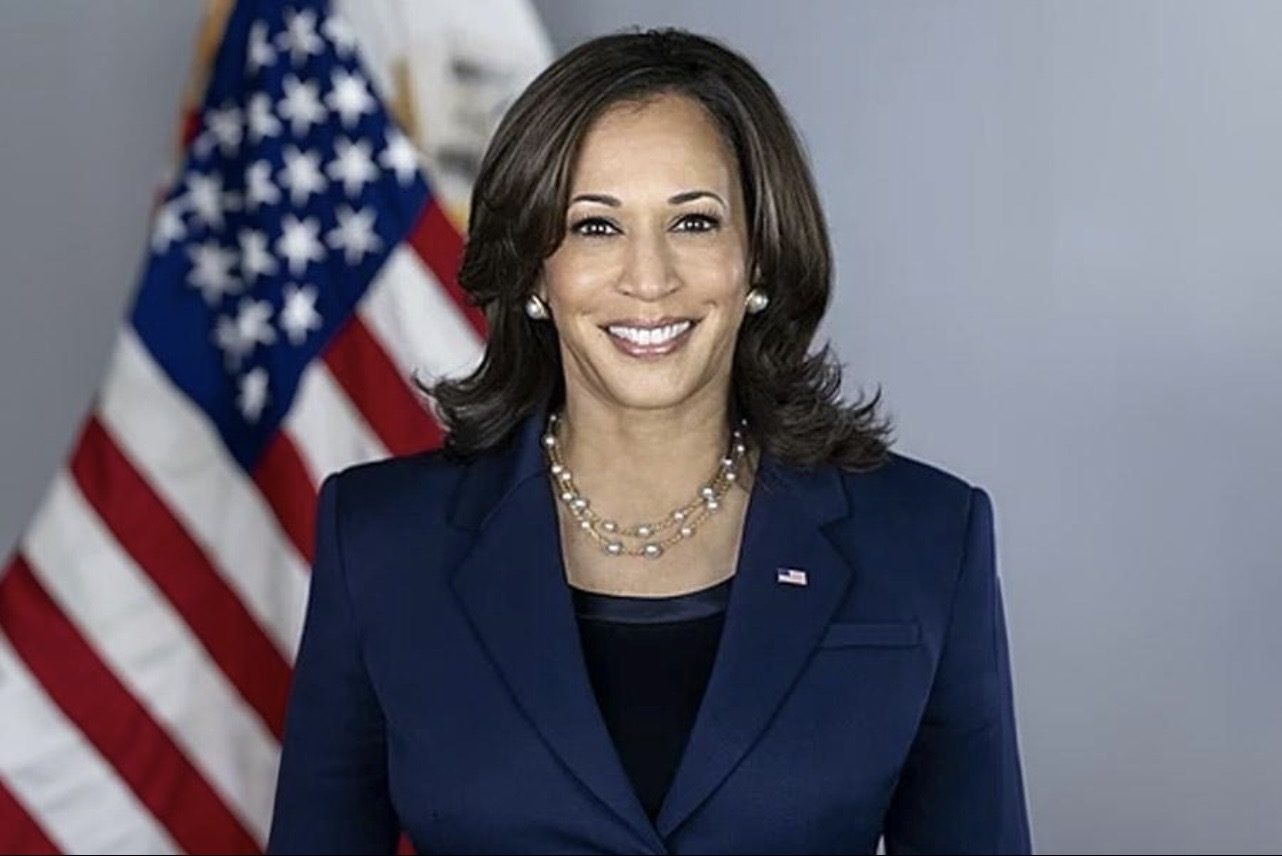
Former Vice President Kamala Harris has urged Democrats to avoid pursuing a third impeachment of President Donald Trump if they regain control of Congress in the November midterm elections, arguing that investigations, government accountability and policy action would be more effective uses of their limited political resources.
In an interview with MeidasTouch host Aaron Parnas published on October 27, Harris said another impeachment effort would be a poor strategic choice. Her comments, reported by multiple news outlets on October 27 and 28, came as Democrats considered how they might use congressional power if voters deliver them majorities in the House of Representatives or Senate.
“I think that going in the direction of impeachment is not a good idea, just to be honest with you,” Harris said, explaining that Democrats have limited resources and should concentrate their efforts on accountability and investigations. She also questioned whether the Senate would have enough votes to convict Trump and remove him from office.
Harris’s position does not amount to a defense of Trump’s presidency. Rather, it reflects her assessment that an impeachment campaign could consume congressional time and political energy without producing the desired result. She urged Democrats to pursue investigations and take practical steps to advance their priorities instead of making impeachment the centerpiece of their agenda.
The comments arrive as the November 3, 2026, midterm elections approach. All 435 seats in the House are scheduled to be contested, alongside a portion of the Senate’s seats. Control of either chamber could substantially affect Trump’s ability to advance his legislative priorities and the extent to which Congress scrutinizes his administration.
A Democratic majority in the House would give the party greater control over committee investigations, subpoenas and legislative oversight. Committees could examine administration policies, spending decisions and allegations of misconduct. However, the extent of their authority and the results of any investigation would depend on the evidence, applicable law and decisions made by congressional leaders.
The constitutional process also helps explain Harris’s argument. The House can impeach a president by a simple majority vote. Conviction in the Senate, which is required to remove a president from office, requires the support of two-thirds of senators present. That threshold makes removal difficult when the president’s opponents lack substantial bipartisan support.
Trump experienced that obstacle during his first term. The Democratic-controlled House impeached him in December 2019 over his dealings with Ukraine. The charges centered on allegations that he abused his office and obstructed Congress. Trump denied wrongdoing, and the Republican-controlled Senate acquitted him in February 2020.
The House impeached Trump a second time in January 2021, following the January 6 attack on the US Capitol. The charge concerned incitement of insurrection. Although a number of Republican senators voted to convict him, the Senate again fell short of the two-thirds threshold. Trump was therefore not removed through either impeachment trial.
Harris served as a senator during Trump’s first impeachment proceedings and later became vice president under President Joe Biden. Her experience in the Senate informs her view that another impeachment would be unlikely to produce a conviction. She argued that Democrats should recognize the political and institutional limits of the process when deciding their priorities.
Her proposed alternative includes investigations, accountability and efforts to restore policies that Democrats believe have been weakened or cut under the Trump administration. During the interview, she also referred to Medicaid cuts and the need for congressional checks and balances concerning the administration’s war policy. These comments suggest that she wants Democrats to connect oversight with concrete policy objectives.
The debate is not confined to Harris. Democratic leaders have faced questions about whether they would pursue impeachment if they win control of the House. House Minority Leader Hakeem Jeffries has not committed to a third impeachment of Trump. Discussions have also included the possibility of congressional action involving senior administration officials, including Secretary of War Pete Hegseth.
Those possibilities remain distinct from a decision to impeach Trump himself. Any impeachment proposal would need to proceed through the appropriate constitutional process, and allegations against an official would need to be assessed on their own merits. Political criticism or the introduction of an impeachment resolution does not establish wrongdoing.
There are also political risks for Democrats. A prolonged impeachment campaign could energize Trump’s supporters and divert attention from issues voters identify as immediate concerns, including living costs, health care, employment and energy prices. Conversely, failing to investigate credible allegations could invite criticism that lawmakers are neglecting their oversight responsibilities.
Harris urged Democrats to be uncompromising without becoming cruel and to focus on getting things done after the election. Her comments indicate a preference for sustained scrutiny and measurable policy action over a highly visible confrontation that might end without a Senate conviction.
The election will determine whether Democrats gain the congressional leverage needed to pursue that approach. Even if they win one or both chambers, their ability to enact legislation will depend on the balance of power, Senate procedures and the president’s veto authority.
For now, Harris’s message is a strategic recommendation rather than a formal decision by Democratic leadership. She is not ruling out investigations or accountability measures; she is arguing that a third impeachment should not automatically become the party’s priority. Whether Democratic leaders adopt that strategy will become clearer after the November 3 vote.

Trump Faces Midterm Pressure as 32% Approval Rating Raises Questions About Republican Prospects

Trump’s Texas Campaign Faces Iran War, Rising Fuel Costs Ahead of Midterms

Trump Returns to Kansas as Republicans Fight to Defend Senate Majority Before Midterm Elections
Trump’s Approval Edges Up to 32%, but Republicans Face Midterm Election Headwinds
Related News
Trump Faces Midterm Pressure as 32% Approval Rating Raises Questions About Republican Prospects
Trump’s Texas Campaign Faces Iran War, Rising Fuel Costs Ahead of Midterms
Trump Returns to Kansas as Republicans Fight to Defend Senate Majority Before Midterm Elections
Comments 0
Log in or create a free account to join the conversation. You can comment anonymously.
No comments yet. Be the first.