

Part of: US Midterm Election 2026
Trump Returns to Kansas as Republicans Fight to Defend Senate Majority Before Midterm Elections
Trump plans an October 31 rally in Salina supporting Senator Roger Marshall ahead of the 2026 November 3 midterm elections.

INTERNATIONAL BROADCAST JOURNALIST · CSB News USA
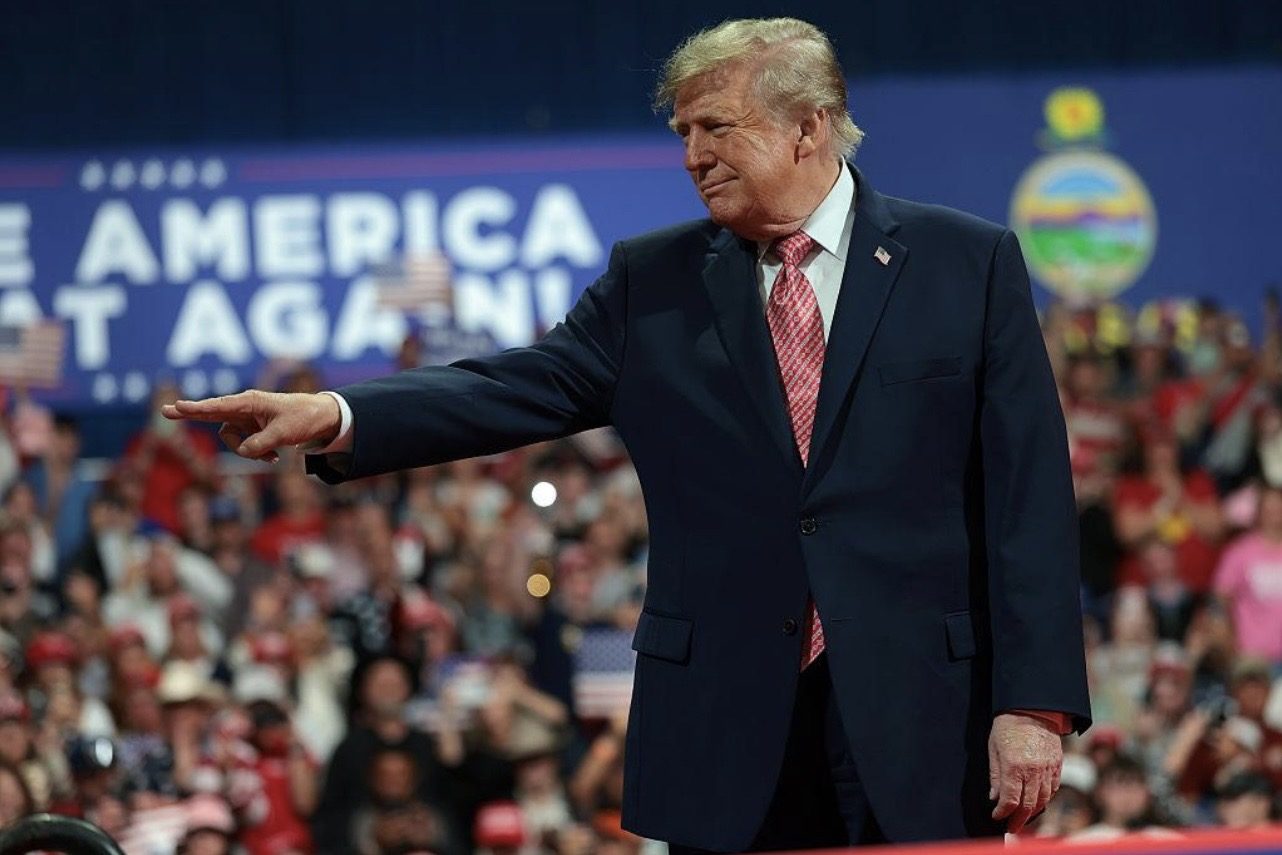
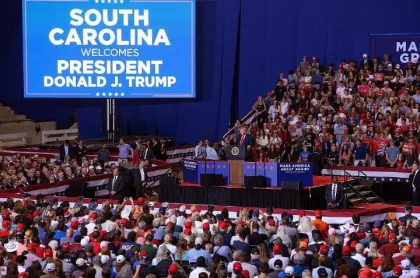
President Donald Trump is scheduled to return to Kansas on Saturday, October 31, for a campaign rally in Salina, intensifying Republican efforts to retain a closely watched U.S. Senate seat ahead of the November 3 midterm elections. The event is intended to support Republican Senator Roger Marshall, who is facing Democratic challenger Adam Hamilton in a contest attracting national political attention.
Local news outlets KCTV5, WIBW and KMBC reported on October 26 that the Kansas Republican Party had announced Trump’s return to the state. The rally will mark his second Kansas visit in less than two weeks. His previous appearance took place on October 19 at the Heartland Credit Union Arena in Park City, near Wichita, where he campaigned for Marshall and other Republican candidates.
According to the published event schedule, doors for the Salina rally are expected to open at 8:30 a.m. local time, with the program beginning at 10:30 a.m. Trump’s remarks are scheduled for noon. As of October 27, the precise venue had not been publicly identified in the local reports. The schedule could also change, so attendees should check the organizers’ latest announcements before travelling.
The visit comes as Republicans work to defend their congressional majorities in an election that could significantly influence the final two years of Trump’s current presidential term. The Senate plays a central role in confirming presidential nominees, approving legislation and shaping national policy. Losing even a small number of seats could complicate the administration’s efforts to advance its priorities.
Kansas has long been considered a Republican stronghold. Trump won the state by approximately 16 percentage points in the 2024 presidential election, and Democrats have not won a Kansas Senate election since 1932. Nevertheless, the current contest has drawn unusual attention because Hamilton has emerged as a serious challenger to Marshall, according to recent reporting by The Associated Press and regional news organizations.
Hamilton, a Methodist minister and founder of a major United Methodist church, has sought to appeal to voters across party lines. Marshall, who is seeking another term, has emphasized his Republican credentials and argued that maintaining a Republican Senate would help protect Trump’s legislative agenda. Both campaigns are working to persuade voters who may be dissatisfied with the direction of national politics.
Trump’s involvement reflects the importance Republican leaders attach to the race. His rallies can attract substantial crowds, energize party activists and bring national media attention to candidates who might otherwise receive less coverage. However, the effect of a presidential visit on voting intentions is difficult to measure, and attendance at a rally does not necessarily predict the outcome of an election.
Vice President JD Vance also visited Kansas on October 26, appearing at a campaign event in Topeka to support Marshall. The sequence of visits by the president and vice president underscores the party’s determination to mobilize its supporters in the final days before voting. It also signals that Republican strategists are treating the Kansas contest as more competitive than the state’s recent electoral history might suggest.
Economic concerns are expected to feature prominently in the campaign. Farmers and other rural residents have raised concerns about fuel costs, agricultural expenses, unpredictable markets and pressure on household budgets. An Associated Press report published October 19 described how rising diesel prices and shrinking farm profits have become political concerns during the harvest season.
These issues are significant in Kansas, where agriculture is an important part of the economy. Higher costs for diesel, fertilizer, equipment and transportation can affect farm profitability and ripple through rural communities. At the same time, voters may weigh healthcare costs, immigration, taxes, energy policy and the broader performance of the national economy when deciding which candidate to support.
The economy is not the only issue shaping the contest. The campaigns have also clashed over healthcare, government spending, immigration and the direction of the country. National political tensions may influence voters, but local concerns and candidates’ records will remain important factors in a state with a long history of Republican electoral success.
The race has attracted particular attention because a Democratic victory would break a lengthy pattern in Kansas Senate elections and could contribute to a wider shift in the balance of power in Washington. For Republicans, retaining the seat would help defend their Senate position and demonstrate that the party can continue winning in traditionally conservative states despite economic and political headwinds.
Still, the outcome remains uncertain. Polls are snapshots of voter preferences rather than guarantees, and their reliability depends on sampling, turnout assumptions and how undecided voters ultimately behave. Campaign appearances, fundraising and public enthusiasm may influence the contest, but none alone establishes which candidate will win.
Trump’s October 31 rally will therefore serve as a major final-week effort to strengthen support for Marshall. It will also offer a measure of how effectively the president can mobilize Republican voters in a state that has usually favoured his party. The event’s ultimate political significance will depend on voter participation and the results announced after polls close on November 3.
The reported date, city and purpose of the rally are supported by multiple local news reports. The venue remained unconfirmed in those reports as of October 27, and the election result cannot be predicted with certainty. Readers should distinguish the confirmed event announcement from campaign claims about the race’s likely outcome.

Comments 0
Log in or create a free account to join the conversation. You can comment anonymously.
No comments yet. Be the first.