

Part of: US Midterm Election 2026
Trump Faces Midterm Pressure as 32% Approval Rating Raises Questions About Republican Prospects
A poll shows Trump’s approval at 32%, while Democrats lead congressional preferences as voters voice concerns over rising living costs.

International Broadcast Journalist · CSB News USA
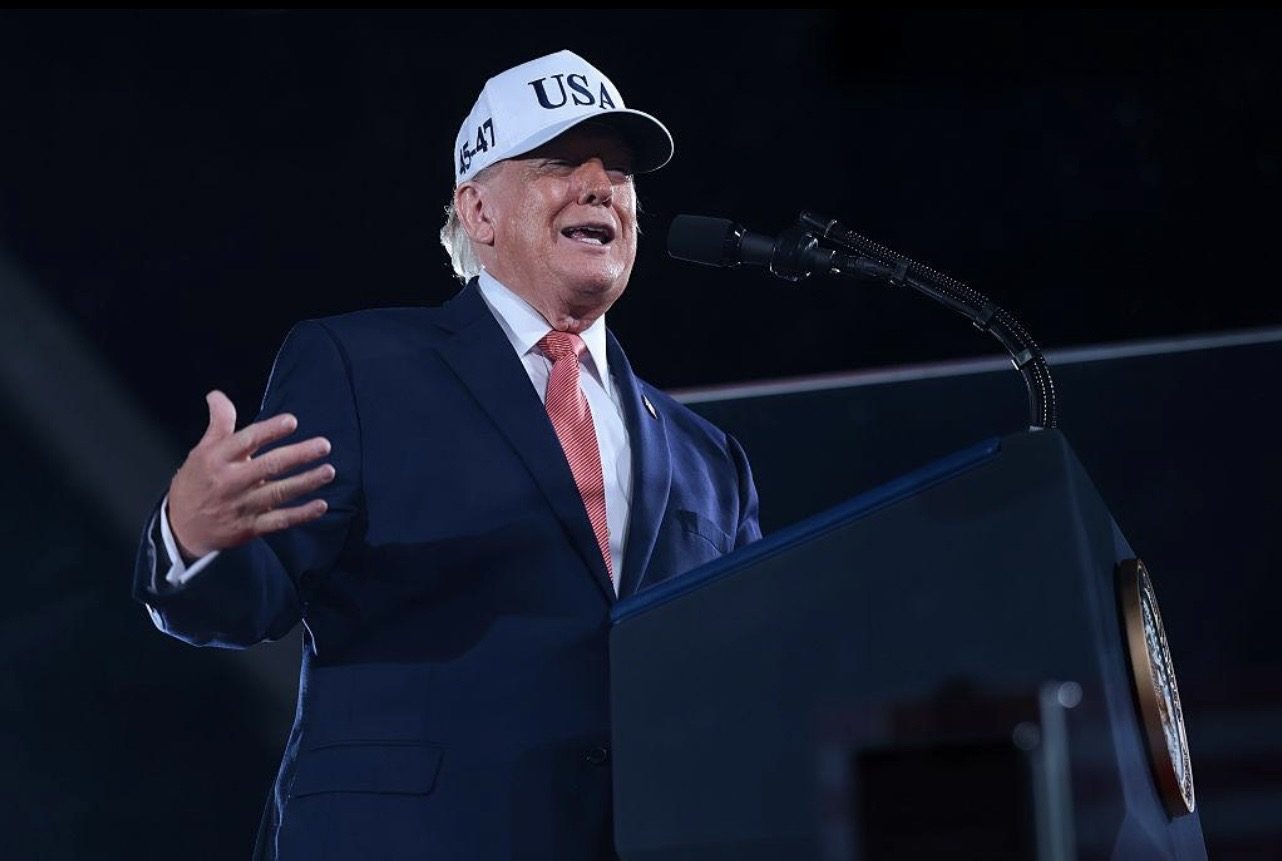
President Donald Trump’s approval rating has edged up to 32%, recovering slightly from a record low, but the latest national polling points to continued challenges for Republicans ahead of the November 3, 2026, midterm elections. A Reuters/Ipsos survey completed on October 26 found Democrats leading Republicans in preferences for Congress, while concerns about inflation, gasoline prices and the cost of living remain central to the political debate.
The findings offer a snapshot of the national political climate just days before voters decide which party will control Congress for the remainder of Trump’s second term. Republicans are defending their majorities in both the House of Representatives and the Senate. Losing control of either chamber could make it more difficult for the president to advance legislation, approve spending priorities and implement his policy agenda.
According to Reuters, 32% of American adults approved of Trump’s job performance, up one percentage point from the previous week’s 31%. Although the increase represents a modest improvement, the president’s approval rating remains near the lowest levels recorded during his presidency. The figure measures respondents’ views of his overall performance, rather than their opinions on any single policy.
The survey also examined preferences for congressional candidates. Among registered voters, 47% said they would support Democratic candidates if the election were held at the time of the survey, compared with 36% who preferred Republicans. Approximately 11% said they did not know which party they would support.
When respondents who were undecided were asked which party they leaned toward, the Democratic advantage narrowed to nine percentage points, with 50% favoring Democrats and 41% favoring Republicans. Among likely voters, Democrats led 53% to 44%. These figures are different measures of voter preference and should not be treated as interchangeable.
The results indicate that Democrats have a national polling advantage, but they do not establish which party will win control of Congress. House elections take place in individual congressional districts, while Senate contests are decided separately in each participating state. Local candidates, turnout, campaign issues and the distribution of competitive races can all influence the final number of seats won by each party.
Economic concerns appear particularly important in the current campaign. In the Reuters/Ipsos survey, 73% of respondents said the cost of living was moving in the wrong direction. The finding suggests widespread dissatisfaction with household affordability, although it does not establish that every respondent blames the president or intends to vote against his party.
The poll also found a shift in perceptions of which party is better equipped to manage the economy. Some 37% of respondents favored the Democratic approach, while 33% preferred the Republican approach. This represents a notable change from earlier polling periods when Republicans held an advantage on economic management.
Gasoline prices and the economic consequences of the conflict involving Iran have also featured prominently in the debate. Reuters reported that U.S. military strikes against Iran contributed to higher gasoline prices, adding pressure to household budgets. The relationship between international conflict, energy markets and domestic prices is complex, however, and the poll alone cannot determine how much of the public’s economic dissatisfaction is attributable to any single factor.
The survey also revealed differences in enthusiasm between the parties. Forty-six percent of Democratic respondents said they were very enthusiastic about voting in the midterms, compared with 30% of Republican respondents. Greater reported enthusiasm can matter in elections, but stated intentions do not guarantee that people will ultimately cast ballots.
The Reuters/Ipsos poll was conducted online from October 22 through October 26 and included 1,679 U.S. adults, including 1,280 registered voters. Reuters reported a margin of error of approximately two percentage points for the full adult sample and three percentage points for registered voters. Sampling error is only one source of uncertainty; survey methods, weighting, nonresponse and changes in public opinion can also affect results.
Other polling organizations may report different approval ratings because their surveys use different field dates, samples and methods. A separate NPR/PBS News/Marist poll reported by The Indian Express on October 28 placed Trump’s approval rating at 40%, illustrating why the Reuters/Ipsos figure should be attributed to that particular survey rather than presented as a universal measurement.
The broader significance of the latest findings lies in the combination of a modest recovery in Trump’s approval and a continuing Democratic advantage in the national congressional preference survey. Neither figure predicts the election outcome on its own. The results of individual House and Senate races, voter participation and developments before Election Day will determine the actual balance of power.
As November 3 approaches, the central questions remain whether Republicans can retain control of both chambers, whether Democrats can translate their national polling advantage into congressional seats, and how voters will weigh economic conditions alongside immigration, national security and other campaign issues. The latest survey provides evidence of the political challenges facing the administration, but the final verdict will come from voters.

Trump’s Texas Campaign Faces Iran War, Rising Fuel Costs Ahead of Midterms

Trump Returns to Kansas as Republicans Fight to Defend Senate Majority Before Midterm Elections

Trump’s Approval Edges Up to 32%, but Republicans Face Midterm Election Headwinds
Trump Administration Faces Legal Fight Over Alaska Senate Election Certification
Related News
Trump’s Texas Campaign Faces Iran War, Rising Fuel Costs Ahead of Midterms
Trump Returns to Kansas as Republicans Fight to Defend Senate Majority Before Midterm Elections
Trump’s Approval Edges Up to 32%, but Republicans Face Midterm Election Headwinds

Comments 0
Log in or create a free account to join the conversation. You can comment anonymously.
No comments yet. Be the first.