

Part of: US Midterm Election 2026
Trump’s Texas Campaign Faces Iran War, Rising Fuel Costs Ahead of Midterms
President Donald Trump campaigns in Texas for Republican candidates as the Iran war and rising fuel prices threaten electoral prospects.

International Broadcast Journalist · CSB News USA
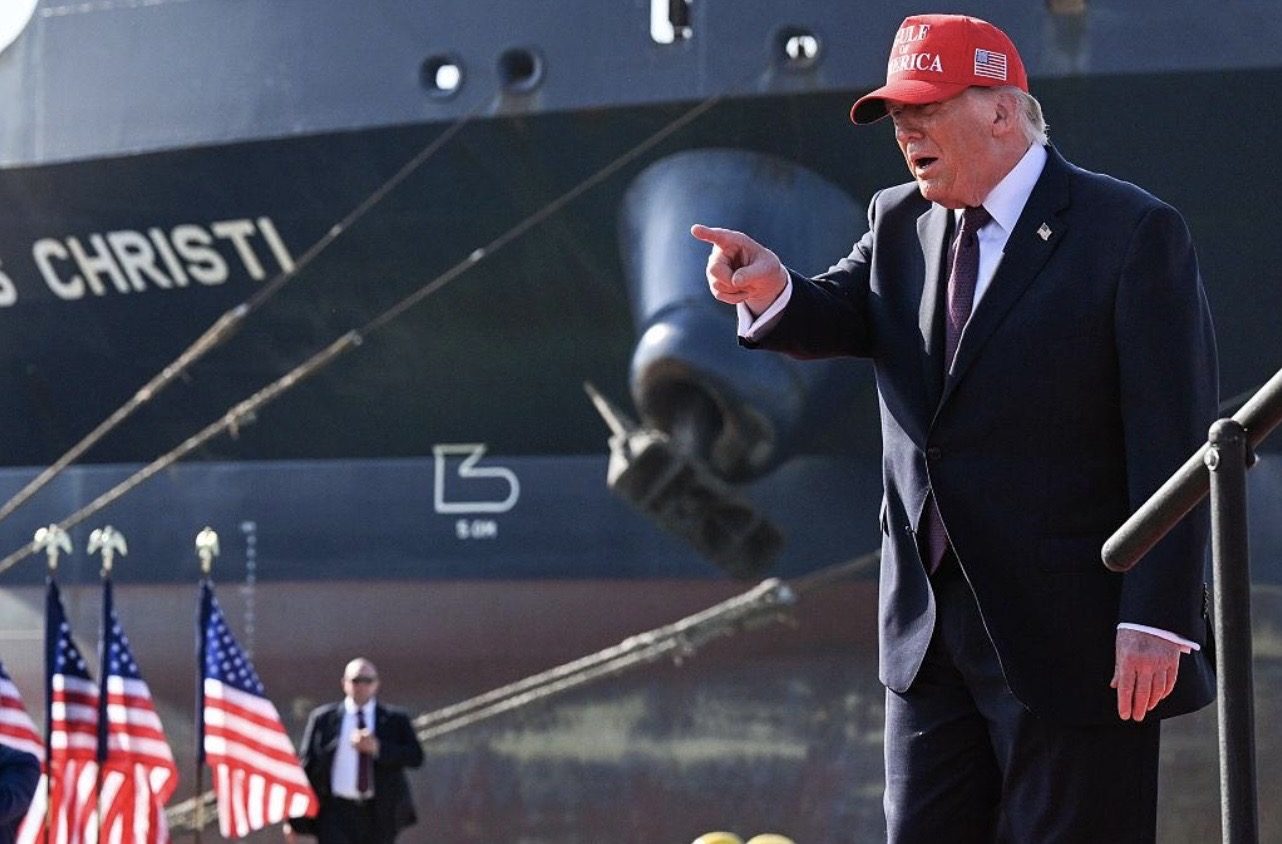
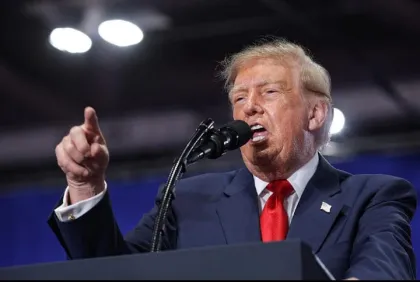
President Donald Trump took his midterm election campaign to Texas on October 27, urging support for Republican candidates as the party faces mounting political challenges over the war with Iran, rising fuel prices and the cost of living. The campaign visit came one week before Election Day on November 3, when voters will determine control of Congress and decide several closely contested races.
According to an Associated Press report published on October 27, Trump held campaign rallies in Texas to support Republican candidates, including Ken Paxton, who is running for the U.S. Senate against Democratic nominee James Talarico. The contest has attracted national attention as Republicans seek to preserve their congressional majorities in a difficult political environment.
The Texas visit was part of Trump’s broader effort to mobilize Republican voters in the final stretch of the midterm campaign. Rather than concentrating exclusively on individual candidates, the president has made his own leadership, policies and political standing central to the party’s election strategy.
Texas remains an important state for Republicans, but its Senate contest has become a significant test of the party’s ability to retain support in a state that has long played a central role in conservative politics. Paxton, a prominent Republican figure, faces Talarico, a Democratic state lawmaker whose campaign is seeking to capitalize on voter dissatisfaction with the administration.
The outcome could carry implications beyond Texas. A closely contested Senate race would test whether Trump’s endorsement and campaign appearances can translate into votes, particularly among voters concerned about household expenses and the consequences of the administration’s foreign policy.
The war with Iran has emerged as one of the most politically sensitive issues for Republicans. Trump campaigned in 2024 on promises that included avoiding new foreign conflicts. The prolonged conflict has complicated that message, particularly as military developments and uncertainty in international energy markets affect fuel costs.
Associated Press reporting has described the war as a growing liability for Republican candidates ahead of the November elections. Republican strategists have expressed concern that higher gasoline prices and the wider economic consequences of the conflict could weaken the party’s standing with voters.
Fuel prices are especially important because they affect both household budgets and business operating costs. Higher gasoline prices can leave drivers with less money for groceries, housing and other essential expenses. Increased diesel costs can also raise transportation expenses, potentially contributing to higher prices for food and other goods.
These pressures make economic conditions a central consideration for voters approaching Election Day. Although the causes of energy-price movements can include international supply disruptions, market expectations, production decisions and geopolitical risks, voters may still hold the administration responsible for the prices they experience at the pump.
Trump has sought to counter criticism by promoting policies intended to expand domestic energy production and reduce regulatory costs for oil and gas companies. During the Texas campaign, he announced plans to end Biden-era methane-emissions regulations on oil and gas drilling, arguing that the change would reduce costs for consumers and energy producers. His administration’s claims about potential savings remain projections rather than guaranteed reductions in household energy bills.
The president also appeared alongside Secretary of State Marco Rubio during the Texas visit to highlight Venezuelan crude oil arriving for processing at Texas refineries. The appearance connected the administration’s energy message with its efforts to demonstrate that additional oil supplies could help address concerns about fuel costs.
However, increased crude-oil availability does not automatically translate into immediate reductions in gasoline prices. Refinery capacity, transportation costs, global demand, distribution margins and geopolitical developments all influence the final price paid by motorists. The economic impact of the administration’s energy measures will therefore depend on market conditions and how effectively additional supply reaches consumers.
Trump also addressed other policy issues during the rallies, including the expansion of data centers. He encouraged communities to accept such projects, arguing that they could bring financial benefits to local residents and governments. The issue has become increasingly relevant as technology companies seek electricity-intensive facilities to support artificial intelligence and other digital services.
The Texas campaign also highlighted the political importance of Trump’s relationship with Republican candidates. For supporters, his appearances can generate enthusiasm, attract media attention and encourage turnout among voters who strongly identify with his political movement. His presence may also help candidates reach voters who are less engaged with local campaign messages.
Yet the strategy carries risks. When the president makes himself the central figure in a midterm campaign, voters may judge congressional candidates not only on their individual records but also on the administration’s overall performance. That can be advantageous when presidential approval is strong, but it can create difficulties when voters are frustrated with prices, foreign policy or other national concerns.
The broader campaign has focused on energy costs, the war, the economy and disputes over election policy. Trump’s intensive campaign schedule reflects a high-stakes effort to improve Republican prospects despite political headwinds.
The November 3 elections will determine whether Republicans can maintain their congressional advantages or whether Democrats can make significant gains. Control of the House and Senate will shape the administration’s ability to advance legislation, oversee federal agencies and pursue its remaining domestic and foreign policy priorities.
For Texas Republicans, the immediate challenge is to persuade voters that their candidates can address economic concerns while maintaining support for the president’s agenda. For Democrats, the opportunity lies in connecting the administration’s decisions to everyday financial pressures and presenting their candidates as an alternative.
The results will provide a measure of Trump’s continuing influence over the Republican Party and reveal how voters are responding to the administration’s handling of the economy and the Iran conflict. His Texas appearances demonstrate that he is personally investing in the effort to protect Republican seats. Whether that involvement offsets dissatisfaction over fuel prices and the war will become clearer when ballots are counted.
Trump Returns to Kansas as Republicans Fight to Defend Senate Majority Before Midterm Elections
Trump’s Approval Edges Up to 32%, but Republicans Face Midterm Election Headwinds
Trump Administration Faces Legal Fight Over Alaska Senate Election Certification
Trump’s Alaska Election Lawsuit Triggers New Battle Over Senate Race
Related News
Trump Returns to Kansas as Republicans Fight to Defend Senate Majority Before Midterm Elections
Trump’s Approval Edges Up to 32%, but Republicans Face Midterm Election Headwinds

America Advances in AI, but Uncertainty Remains Over Long-Term Economic Benefits
Comments 0
Log in or create a free account to join the conversation. You can comment anonymously.
No comments yet. Be the first.