

Part of: US Midterm Election 2026
Trump’s Approval Edges Up to 32%, but Republicans Face Midterm Election Headwinds
A new poll puts Trump’s approval at 32%, while economic concerns and Democratic gains create fresh challenges for Republicans ahead of midterm elections.

INTERNATIONAL BROADCAST JOURNALIST · CSB News USA
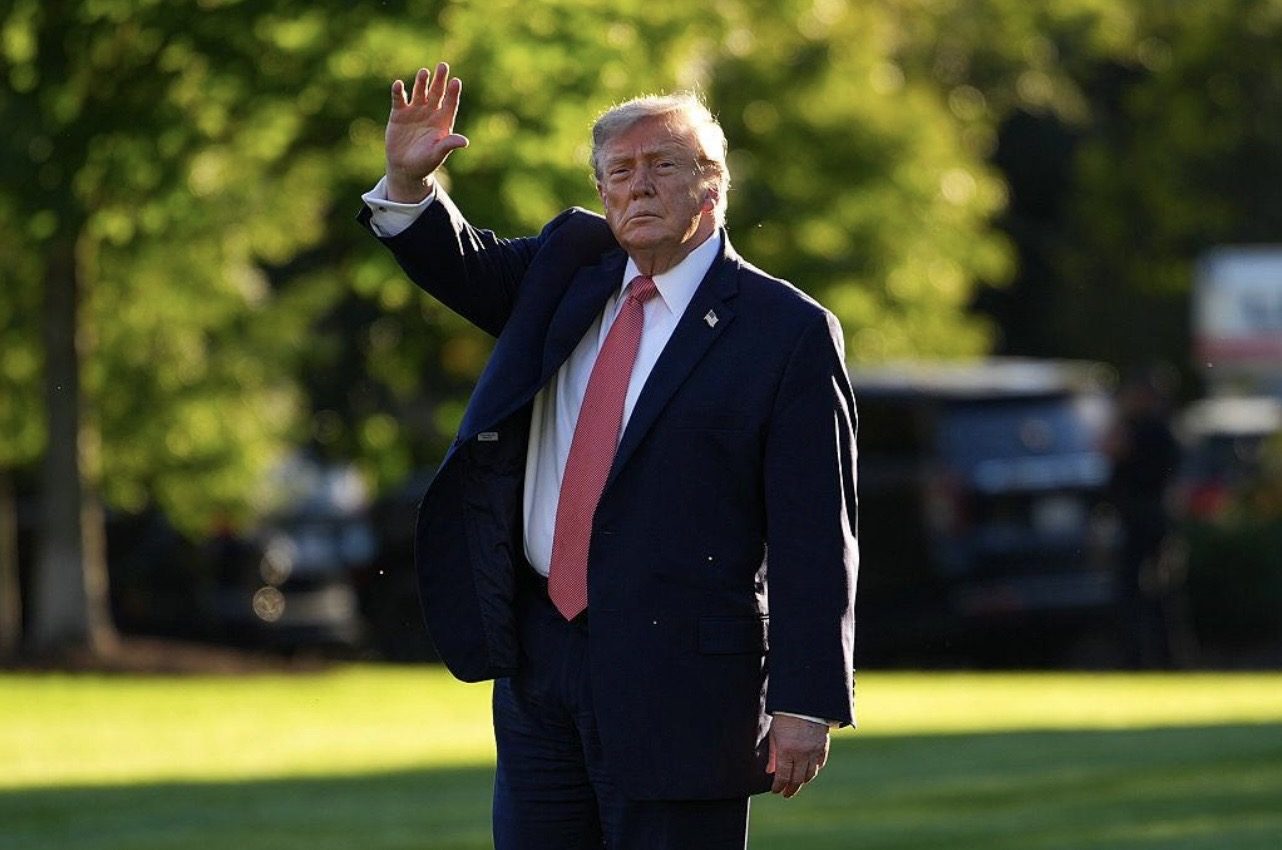
US President Donald Trump’s public approval rating has edged up to 32%, recovering slightly from a record low recorded the previous week, but fresh polling suggests his Republican Party continues to face significant challenges ahead of the November 3 midterm elections. The latest Reuters/Ipsos survey indicates that Democrats maintain a substantial national advantage in preferences for congressional candidates, while concerns about living costs and the economy remain central to voters’ decisions.
According to the Reuters/Ipsos poll, completed on October 26, Trump’s approval rating increased by one percentage point from 31% in the previous week. Although the increase offers a modest improvement for the president, it does not establish a sustained recovery in public confidence. The result comes less than two weeks before voters decide which party will control Congress during the final two years of Trump’s second presidential term.
The nationwide online survey collected responses from 1,679 American adults, including 1,280 registered voters. Reuters reported a margin of error of approximately two percentage points for all adults and three percentage points for registered voters. Those margins are important when interpreting relatively small changes in polling figures. The one-point increase in Trump’s approval rating should therefore be treated as a limited movement in public opinion rather than conclusive evidence that his political standing has improved significantly.
The congressional ballot results present a more difficult picture for Republicans. Among registered voters, 47% said they would support Democratic candidates if congressional elections were held immediately, compared with 36% who preferred Republicans. Eleven percent were undecided. When undecided respondents were asked which party they leaned toward, Democrats held a narrower but still substantial advantage, leading Republicans by 50% to 41%.
The survey also found that voters considered most likely to participate in the midterms favored Democrats by 53% to 44%. This suggests that the Democratic advantage extends beyond the broader registered-voter population. However, national polling cannot determine the outcome of individual congressional races, which depend on local candidates, district boundaries, state-level political conditions and actual turnout.
Republicans are defending narrow majorities in both the House of Representatives and the Senate. Losing control of either chamber would make it more difficult for Trump to advance legislation and implement his administration’s priorities. Democrats, meanwhile, are seeking to regain congressional power and strengthen their ability to scrutinize the president’s policies. Political analysts generally view the House as a more attainable target for Democrats, while the Senate presents a more complicated electoral challenge because individual state contests have distinct political dynamics.
Economic dissatisfaction is emerging as one of the most consequential issues in the campaign. The Reuters/Ipsos survey found that 73% of respondents believed the cost of living was moving in the wrong direction. Rising prices for essential goods and fuel have increased pressure on household budgets, making affordability a major concern for voters approaching election day.
Gasoline prices have also become a prominent political issue amid the conflict involving Iran. Reuters reported that US military strikes on Iran earlier this year contributed to higher fuel prices, intensifying public concerns about the administration’s economic management. The relationship between international developments and domestic costs has complicated the Republican campaign, particularly because Trump previously made economic improvement and lower living costs important parts of his political message.
The latest survey also showed Democrats holding a modest advantage on economic management. Thirty-seven percent of respondents said Democrats had a better approach to the economy, while 33% favored Republicans. Although the four-point difference is not overwhelming, it represents a challenge for a governing party traditionally expected to defend its economic record before voters.
Separate polling published by ABC News, The Washington Post and Ipsos on October 20 reinforced the broader picture of economic dissatisfaction. That survey found that 37% of Americans trusted Democrats more to handle the economy, compared with 28% who trusted Republicans. It also reported that 38% preferred Democrats on the cost of living, while 24% favored Republicans. Because the questions and survey methods differ, these figures should not be directly combined with the Reuters/Ipsos results. Nevertheless, both surveys point to economic concerns as a potential weakness for Republicans.
Voter enthusiasm could further influence the outcome. In the Reuters/Ipsos poll, 46% of Democratic respondents described themselves as very enthusiastic about voting in the midterms, compared with 30% of Republican respondents. Higher enthusiasm does not automatically translate into higher turnout, but it can indicate which party has a more motivated supporter base as campaigns enter their final stretch.
The findings do not mean Democrats are guaranteed to win either chamber of Congress. National preference surveys measure broad political sentiment, whereas congressional control depends on dozens of individual contests. Campaign developments, candidate quality, regional differences and participation rates could all change the final outcome.
The poll’s one-point increase in Trump’s approval rating also needs to be considered alongside its margin of error and the wider political context. A single survey cannot establish whether the president’s standing is beginning a lasting recovery. Multiple polls conducted over time, together with consistent changes in economic perceptions and voting intentions, would provide stronger evidence of a meaningful shift.
For now, the findings offer Trump a small improvement but leave Republicans facing a difficult electoral environment. Democrats retain a clear national advantage in congressional preferences, economic concerns remain widespread, and Democratic voters report greater enthusiasm for participating in the election. With November 3 approaching, the central question is whether Republicans can persuade enough voters that their economic policies are working or whether dissatisfaction with living costs will translate into congressional losses.
The election will provide a more definitive measure of the political consequences of Trump’s second-term policies. Until voters cast their ballots, the latest figures are best understood as a snapshot of public opinion rather than a prediction of the final result.

Related News

America Advances in AI, but Uncertainty Remains Over Long-Term Economic Benefits
Trump’s Alaska Election Lawsuit Triggers New Battle Over Senate Race
Trump’s Campaign Spending Surges as Midterm Battle Intensifies
Comments 0
Log in or create a free account to join the conversation. You can comment anonymously.
No comments yet. Be the first.