

Trump’s Investment and Job Promises Face Uncertainty
President Donald Trump is promoting major investments and job creation across the United States, but several projects still face funding, approval, and implementation challenges.

Reporter · CSB News USA
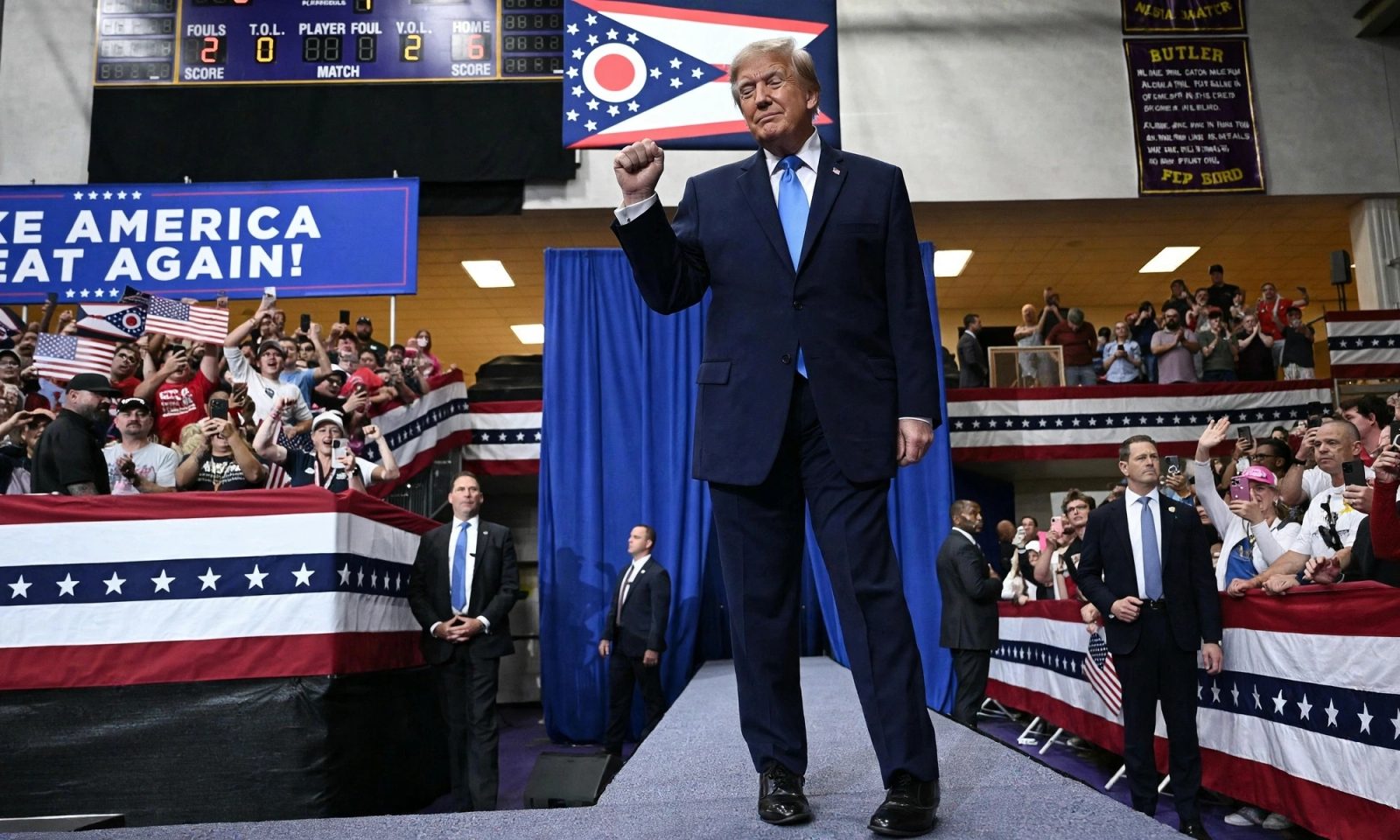
U.S. President Donald Trump is highlighting plans for new factories, energy projects, and potential job creation as part of his economic agenda. During his campaign appearances ahead of the 2026 midterm elections, Trump has presented these projects as evidence of efforts to strengthen the American economy. However, a Reuters review found that several major projects promoted by the administration still face uncertainty over financing, regulatory approvals, or implementation timelines.
The projects discussed include a natural gas pipeline in Alaska, a proposed steel plant in Iowa, a power plant in Texas, a pharmaceutical manufacturing facility in Kentucky, and a mineral-processing project in North Carolina. If completed, these developments could create employment opportunities in construction, manufacturing, transportation, and related industries. However, announcing a project does not necessarily mean that funding has been secured or that construction will begin soon.
One of the most significant proposals involves a natural gas project in Alaska. Trump has cited a potential $54 billion investment from South Korea in connection with the project. The plan includes a pipeline stretching approximately 807 miles, designed to transport natural gas from northern Alaska to export facilities in the south. The gas could eventually be shipped to Asian markets.
South Korean officials have indicated that a final investment decision has not yet been made. The amount of any eventual investment also remains uncertain. Project costs, commercial viability, and future demand must be evaluated before the proposal can move forward. Therefore, the announced figure should not be treated as a confirmed investment.
A proposed steel plant in Iowa is another major project being discussed. The plan involves an investment of approximately $15 billion and is being presented as an effort to expand domestic manufacturing and create jobs. However, the company involved has indicated that it is still working to secure financing. Decisions about the project location and agreements with state authorities also remain outstanding. According to the company's timeline, production may not begin until 2030.
A proposed power plant in Texas has also raised questions about financing and implementation. The project is associated with South Korean investment plans, but issues involving ownership, electricity purchase agreements, and regulatory approvals remain important considerations. Until these matters are resolved, the construction schedule and financing arrangements cannot be regarded as final.
In North Carolina, a proposed quartz-mining project has also attracted attention. Quartz is used to produce materials needed in advanced technology and semiconductor manufacturing. Although the project has been discussed in connection with several hundred million dollars in investment, the reported federal funding under consideration is approximately $56 million. Further reviews, negotiations, and government approvals may be required before the money can be released.
Trump has also discussed providing $100 million in government assistance to help reopen a closed pharmaceutical manufacturing facility in Kentucky. However, important details about the funding mechanism, implementation plan, and construction timeline have not been fully established publicly.
In addition to industrial investment, Trump has proposed a $5,000 payment for eligible American adults. He has suggested that the plan could move forward if Republicans maintain control of Congress. However, the proposal is not an approved government benefit, and congressional authorization would be required before payments could be made. Americans should not assume that the money is guaranteed or that payments are imminent.
The Trump administration argues that its economic and energy policies are attracting investment, strengthening domestic production, and creating employment opportunities. Critics and economic observers, however, point out that the real benefits of these projects will depend on whether financing is secured, construction begins, and the facilities become operational as planned.
The developments are also relevant to Bangladeshi communities living in the United States. If the projects move forward, they could create jobs in construction, transportation, manufacturing, and support services. However, the timing and number of jobs remain uncertain, and employment opportunities will depend on the progress of each individual project.
For readers in Bangladesh, developments in the U.S. economy are important because the United States is a major global economic power. Changes in energy investment, industrial production, and international trade can influence broader economic conditions. However, the direct impact of these specific projects on Bangladesh cannot yet be determined with certainty.
Trump's announcements point to potential investment and employment opportunities, but several projects remain at different stages of planning and approval. Their actual economic benefits will become clearer as financing arrangements are finalized, regulatory decisions are made, and construction and production schedules are confirmed.
Related News

Nicki Minaj Pledges Lasting Support for Trump at Michigan Rally Ahead of Midterms
Trump Administration Faces Legal Fight Over Alaska Senate Election Certification
Trump Administration Faces Court Challenge Over 20,000 California Mail-In Ballots Ahead of Midterm Elections
Comments 0
Log in or create a free account to join the conversation. You can comment anonymously.
No comments yet. Be the first.