

America Advances in AI, but Uncertainty Remains Over Long-Term Economic Benefits
Massive AI investments are boosting US economic activity, but questions remain over future growth, job opportunities, electricity costs, and benefits for ordinary Americans.

CSB News USA
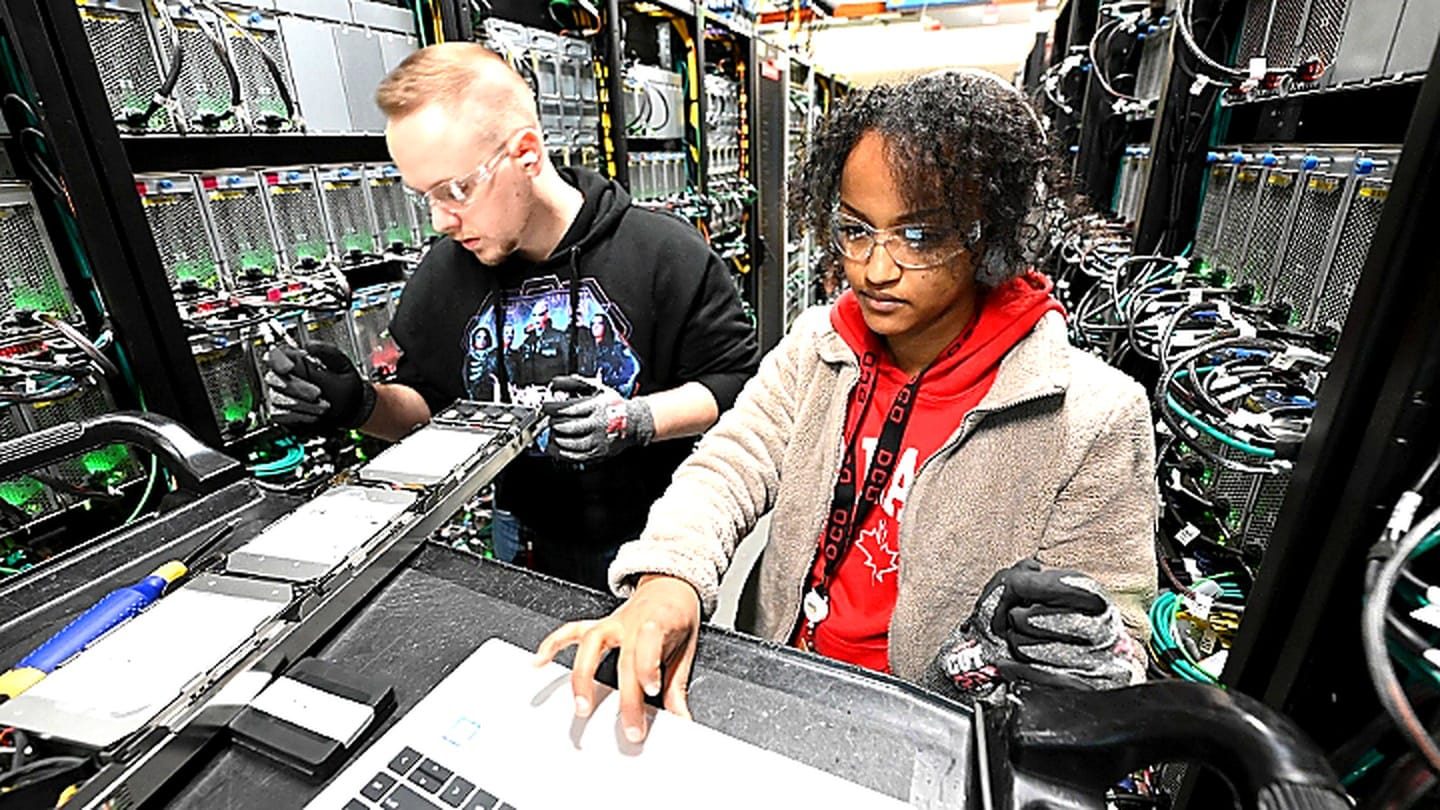
The United States is receiving a significant economic boost from the rapid expansion of artificial intelligence, but economists say it is too early to conclude that the country is entering a new era of permanently higher economic growth. Massive investments in data centers, advanced computing systems, and AI infrastructure are supporting business spending and economic output. However, questions remain about whether these investments will translate into lasting improvements in productivity, employment, and living standards for ordinary Americans.
In a report published on October 26, 2026, Reuters examined the relationship between America's AI investment boom and the broader economic outlook. The report found that business investment in AI infrastructure has become an important contributor to economic activity, while evidence that President Donald Trump's policies have substantially increased the country's long-term growth potential remains limited.
Trump has promised to strengthen the American economy through tariffs, immigration restrictions, tax cuts, and deregulation. His administration argues that these policies can encourage domestic manufacturing, attract investment, and create new opportunities for American workers. However, the latest economic assessment suggests that the overall results remain mixed.
One of the most important developments is the rapid construction of data centers needed to support AI systems. Technology companies are investing heavily in computing capacity, specialized chips, electricity infrastructure, and digital services. These projects generate demand for construction, engineering, equipment, and other supporting industries.
The expansion has also increased demand for imported components used to build data centers. This creates a complicated picture for the administration's trade policy. Although tariffs were intended partly to reduce reliance on imports and encourage domestic manufacturing, imports have continued to rise, including because of demand from the AI industry. Evidence of a broad manufacturing revival remains mixed.
AI investment is also raising expectations about productivity. Businesses hope that advanced software and automated systems will allow employees to complete tasks faster, reduce operating costs, and improve the quality of services. If these improvements become widespread, they could help companies produce more goods and services without proportionately increasing their workforce or expenses.
However, economists caution that recent increases in productivity cannot yet be confidently attributed to AI alone. Productivity figures can fluctuate, and other developments may also influence the results. The full economic impact will depend on how quickly businesses adopt the technology, whether it delivers measurable improvements, and how widely those benefits spread across the economy.
For American workers, the consequences could be significant but uneven. AI may create opportunities in software development, cybersecurity, data management, engineering, and technical support. At the same time, some administrative and routine tasks could become increasingly automated. The scale of any job losses or gains will depend on the occupation, industry, and pace of adoption. There is currently insufficient evidence to conclude that AI will eliminate jobs across the entire US economy.
The developments matter to Bangladeshi Americans as well. Immigrants working in customer service, hospitality, finance, administration, technology, and other industries may encounter new AI-based tools in their workplaces. Learning digital skills, understanding AI-assisted systems, and developing expertise that complements automation could help workers adapt. Nevertheless, the impact will vary by profession, and workers should avoid making major career decisions based solely on predictions about automation.
Another concern involves the growing energy requirements of large data centers. These facilities need substantial amounts of electricity to operate computing equipment and cooling systems. As projects expand, some communities have raised questions about power-grid capacity, local infrastructure, and the potential effect on electricity bills.
The impact on household costs is not uniform. Electricity prices depend on local utility regulations, supply arrangements, infrastructure investments, and other factors. Still, the debate has become politically important as communities weigh the economic opportunities created by data centers against their potential costs.
Long-term economic growth is another unresolved issue. According to the Reuters report, the Congressional Budget Office continues to project potential US economic growth at approximately 1.8%. This suggests that a lasting increase in the economy's underlying growth rate has not yet been established, despite the recent surge in AI-related investment.
Demographic trends also matter. An aging population and slower labor-force growth can limit the pace at which an economy expands. AI could eventually help offset some of these constraints by allowing workers and businesses to become more productive, but the timing and scale of those gains remain uncertain.
Reporter
CSB News USA
Related News

Trump’s Alaska Election Lawsuit Triggers New Battle Over Senate Race

Trump’s Campaign Spending Surges as Midterm Battle Intensifies

Obama Backs Abdul El-Sayed in High-Stakes Michigan Senate Race as Midterm Battle Intensifies

Comments 0
Log in or create a free account to join the conversation. You can comment anonymously.
No comments yet. Be the first.