
Part of: US Midterm Election 2026
Trump Takes Greenville Stage as North Carolina Midterm Election Battle Intensifies Nationwide
President Donald Trump rallies supporters in Greenville, North Carolina, ahead of the November midterm elections, backing Republican candidates amid rising political and economic concerns.

Reporter · CSB News USA
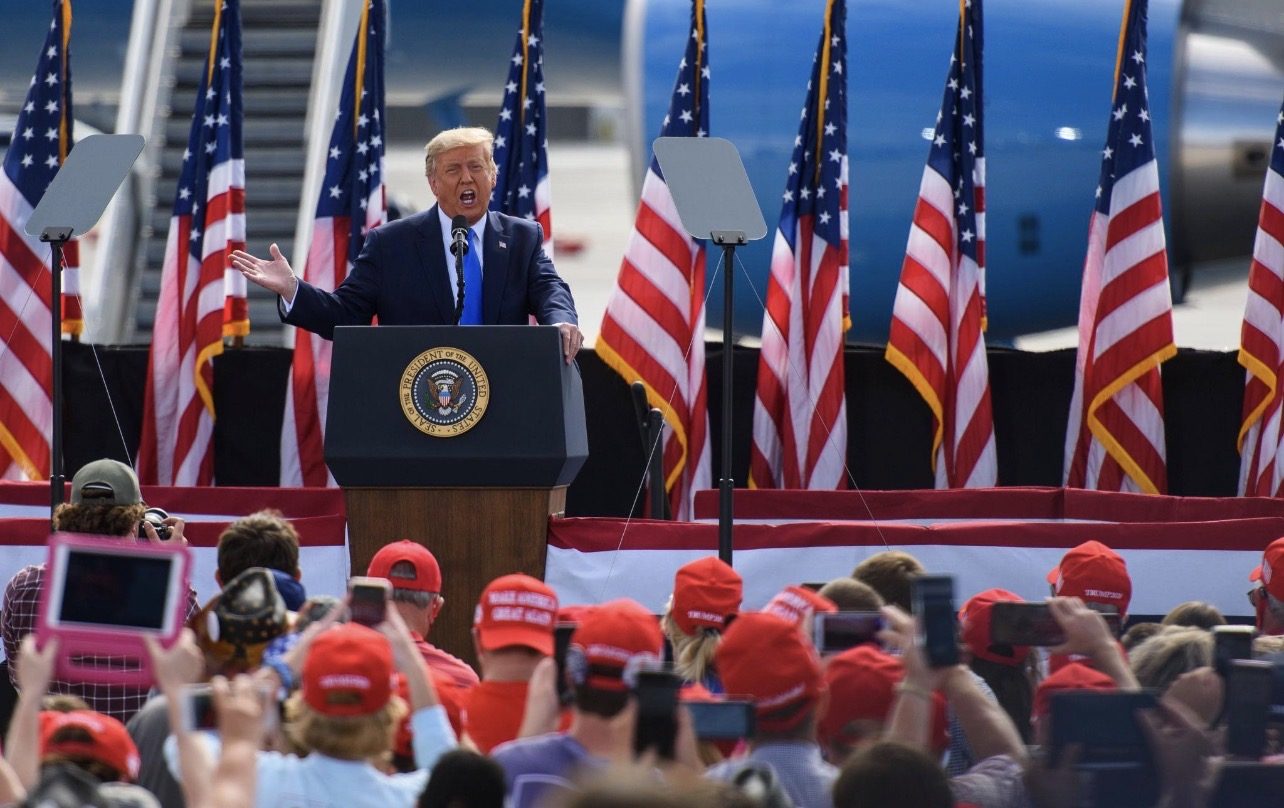
President Donald Trump took the stage at Pitt-Greenville Airport in Greenville, North Carolina, on Tuesday, October 20, as Republicans stepped up their campaign efforts ahead of the November 3 midterm elections. The rally brought the president to a closely watched battleground state, where Republicans are fighting to maintain their congressional majorities and Democrats are seeking to gain ground.
Trump’s visit was part of an intensified Republican campaign push during the final weeks before Election Day. According to the Associated Press and local media reports, the president was expected to support Republican candidates, particularly U.S. Senate nominee Michael Whatley, who is challenging Democratic former Governor Roy Cooper in one of the country’s closely watched Senate contests.
The rally was held at Pitt-Greenville Airport, where supporters gathered hours before Trump’s scheduled remarks. The event was announced as a midterm campaign rally, with the program scheduled to begin in the early evening and Trump expected to speak at 7 p.m. local time. The Republican Party’s official event listing confirmed the location and schedule.
The timing was significant. North Carolina is among the states that could help determine control of the U.S. Senate, while competitive congressional races across the country could decide whether Republicans retain their narrow majorities in Congress. Trump has made repeated campaign appearances in key states, using his political influence to encourage Republican turnout and promote candidates aligned with his administration’s agenda.
In North Carolina, the most prominent contest is the Senate race between Republican Michael Whatley and Democrat Roy Cooper. Whatley previously served as chairman of the Republican National Committee and as chairman of the North Carolina Republican Party. His close association with Trump has made the president’s support an important part of his campaign strategy.
Cooper, a former two-term governor of North Carolina, is seeking to win the Senate seat for Democrats. The contest has attracted national attention because its outcome could influence the balance of power in Washington. Trump’s decision to campaign alongside Whatley reflects the importance Republicans attach to the race.
The political environment, however, presents challenges for both parties. Republicans are defending their congressional majorities amid public concerns about living costs, fuel prices, immigration, healthcare and the direction of the national economy. Democrats are attempting to turn those concerns into electoral gains, particularly among voters who believe the cost of everyday necessities remains too high.
According to Reuters’ October 20 analysis of the midterm election landscape, affordability, immigration and Trump’s approval ratings are among the central issues shaping the campaign. The report noted that Republicans hold narrow majorities in both chambers of Congress, leaving the party vulnerable to relatively small shifts in competitive races.
The economy is likely to remain a major issue in campaign speeches and political advertising. Higher costs for groceries, housing, transportation and healthcare can influence how voters assess the performance of the party in power. Rising fuel prices have also become a concern, adding pressure on households and businesses already dealing with increased expenses.
For Trump, the rally offered an opportunity to defend his administration’s policies and argue that Republican candidates would help advance his legislative priorities. Campaign appearances allow presidents to mobilize loyal supporters, attract media attention and encourage voters who might otherwise be less motivated to participate in midterm elections.
At the same time, presidential involvement can create risks for candidates. When voters are dissatisfied with the administration, national political controversies and presidential approval ratings can influence local races. Candidates may benefit from a president’s popularity among their supporters while also facing criticism from voters who oppose his policies.
The Greenville event also highlighted the importance of early voting. North Carolina’s in-person early-voting period began on October 15 and is scheduled to continue through October 31, giving voters an opportunity to cast ballots before Election Day. Early voting can be especially important in competitive races because campaigns must persuade supporters not only to choose their candidates but also to participate.
Trump’s visit came as campaigns in North Carolina worked to reach voters through rallies, advertising, public appearances and direct outreach. Republican organizers have emphasized turnout, while Democratic campaigns have highlighted economic concerns and sought to attract voters dissatisfied with the administration.
Another contest receiving attention is the race in North Carolina’s 1st Congressional District, where Republican Laurie Buckhout is challenging Democratic incumbent Don Davis. The district is in northeastern North Carolina, near the Greenville area. The outcome could help determine the balance of power in the House of Representatives.
Greenville itself is located in North Carolina’s 3rd Congressional District, represented by Republican Greg Murphy. The area therefore sits within a broader regional political landscape that includes both Republican strongholds and competitive districts where campaign activity could influence the national result.
The rally also followed other Trump campaign appearances in North Carolina. In September, Trump campaigned alongside Whatley in Gastonia, where he promoted his administration’s record and criticized Cooper over issues including crime and recovery from Hurricane Helene. Those appearances demonstrate how the president has sought to connect national political arguments with issues that matter to voters in individual states.
For supporters attending the Greenville rally, the event was an opportunity to demonstrate their backing for Trump and Republican candidates. Local television station WITN reported that attendees arrived hours before the president’s appearance. Some supporters cited immigration and national security as issues they wanted Trump to address, while others said their main goal was to help Republicans win in November.
The enthusiasm among attendees does not, by itself, establish how voters across North Carolina intend to vote. Campaign rallies typically attract people who already have strong political preferences, and attendance figures cannot substitute for representative polling or verified election results. The ultimate impact of the rally will depend on whether the campaign can translate enthusiasm into votes.
The Senate contest also reflects a wider debate over the role of presidential endorsements in American politics. Trump’s backing has helped shape Republican primaries and campaign strategies, and Whatley has closely aligned himself with the president. That connection may help mobilize Trump’s core supporters, but the race will also depend on independent voters, turnout patterns and the candidates’ ability to persuade people beyond their existing political bases.
Nationally, the November 3 elections will determine whether Republicans retain control of the House and Senate or Democrats gain enough seats to change the balance of power. A shift in either chamber could significantly affect the administration’s ability to pass legislation, approve appointments and advance its domestic agenda.
If Republicans retain both chambers, Trump would have a stronger opportunity to pursue his legislative priorities with congressional support. If Democrats win control of one or both chambers, they could exercise greater oversight of the administration and create obstacles to parts of its agenda. The outcome could therefore shape Washington politics for the remainder of Trump’s term.
The president’s Greenville appearance comes amid a crowded national campaign calendar, with both parties concentrating resources on states and districts where relatively small changes in turnout could determine the winner. For Republicans, North Carolina represents an opportunity to reinforce their position in a state Trump has won in recent presidential elections. For Democrats, the Senate race offers a chance to challenge the Republican advantage and expand their influence in Congress.
The central question is whether Trump’s personal campaigning can generate enough additional Republican votes to overcome the political and economic pressures facing the party. His supporters see his appearances as an effective way to energize voters, while critics argue that the administration’s policies could motivate Democratic voters to turn out in larger numbers.
As the campaign enters its final stretch, both parties are likely to sharpen their messages on the economy, immigration, public safety and the future direction of the country. Candidates will also face growing pressure to explain how their proposals would affect household budgets, employment, healthcare and federal spending.
Trump’s appearance in Greenville was therefore more than a routine political event. It formed part of a wider effort to protect Republican congressional control, strengthen Whatley’s Senate campaign and encourage supporters to vote before or on Election Day. Whether that effort succeeds will become clearer as voting continues and official results are reported on November 3.
For now, the Greenville rally underscores the importance of North Carolina in the national midterm contest. With control of Congress at stake and economic concerns influencing voters, the final days of campaigning could prove decisive for both parties.
Trump Announces $8 Billion Aid Package for U.S. Farmers Facing Rising Fuel Costs
Trump Heads to Waco October 27 to Rally Support for Republican Senate Candidate Ken Paxton
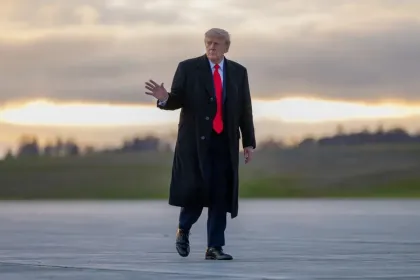
Trump Heads to Kansas to Boost Republicans as Crucial Midterm Elections Approach
Trump’s Midterm Strategy Faces a Critical Test as Voters Focus on the Economy
Related News
Two Years Ago, Trump Served French Fries at McDonald’s; His Campaign Stunt Still Draws Attention
Trump Heads to Kansas to Boost Republicans as Crucial Midterm Elections Approach
Trump Endorses Netanyahu Ahead of Israeli Election, Sparking Political Debate