
Iran Says Strait of Hormuz Could Reopen Within Six Days if US Meets Conditions
Iranian Foreign Minister Abbas Araghchi says the Strait of Hormuz could reopen within six days if Washington accepts Tehran’s conditions, including sanctions relief.

CSB News USA
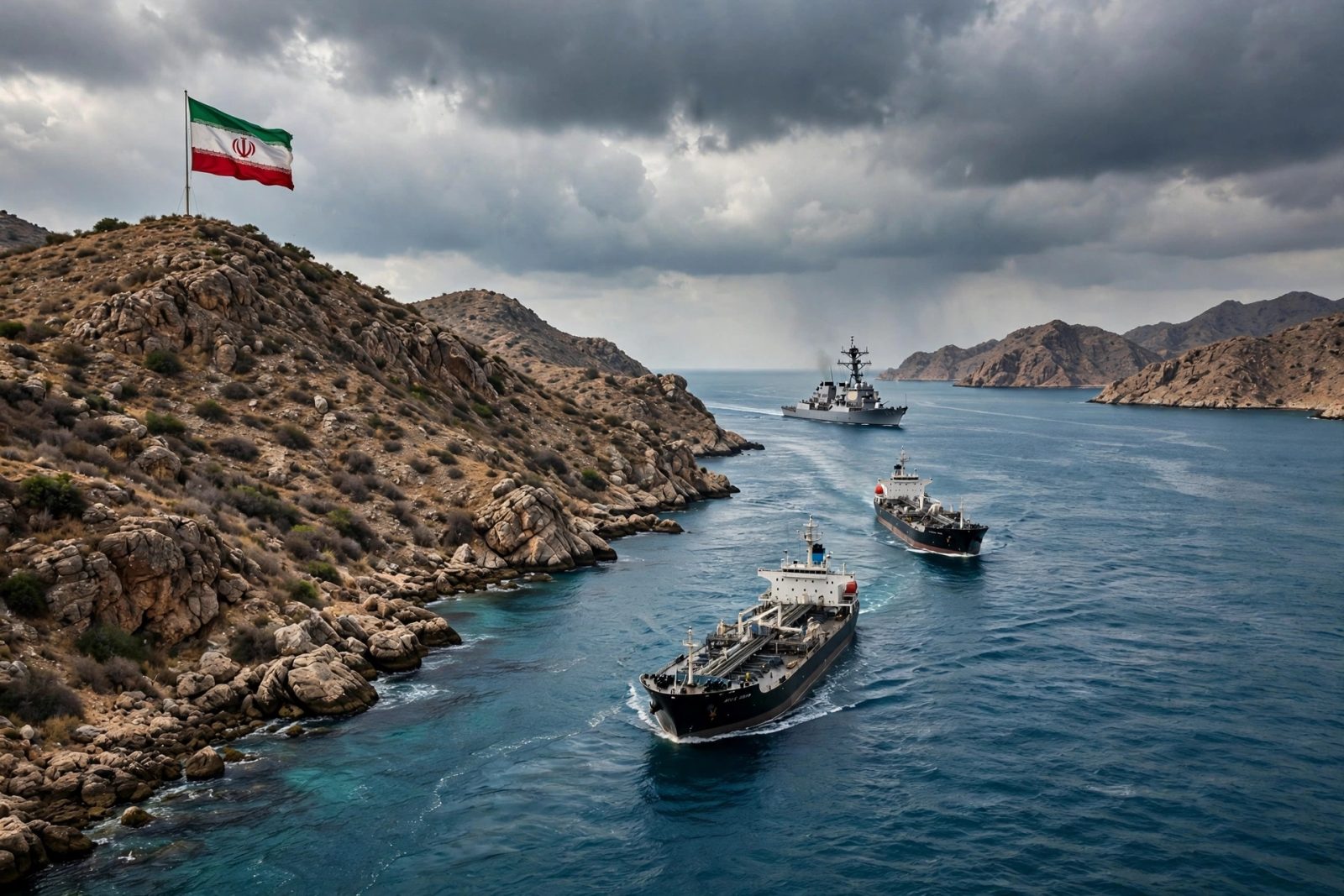
IRAN SAYS STRAIT OF HORMUZ COULD REOPEN WITHIN SIX DAYS AS US SANCTIONS RELIEF BECOMES KEY DEMAND
TEHRAN–WASHINGTON: Iran has kept its proposal to reopen the strategically vital Strait of Hormuz on the negotiating table, with Foreign Minister Abbas Araghchi reportedly saying the waterway could reopen within six days if the United States accepts Tehran’s conditions.
According to the proposal described in the supplied report, Iran has presented Washington with a seven-day framework. The United States has responded with comments that Tehran is currently reviewing. If an agreement is reached on Iran’s terms, the strait could reopen within six days, followed by the start of negotiations on the seventh day.
However, no final agreement has been confirmed, and the reopening of the waterway remains conditional on the outcome of discussions between the two sides.
SANCTIONS RELIEF AT THE CENTER OF IRAN’S CONDITIONS
A key element of Tehran’s proposal is the removal of US restrictions affecting Iran’s economy and energy sector.
The conditions reportedly include lifting the US blockade on Iranian ports, removing sanctions imposed on Iranian oil exports, and ending hostilities across all regional fronts.
Iran’s position suggests that reopening the Strait of Hormuz is linked to broader political and security arrangements rather than being treated as an isolated maritime issue.
For Tehran, sanctions relief could ease pressure on its economy and allow greater flexibility in exporting oil. Restrictions on energy exports have significant implications for government revenue, international trade and Iran’s access to global markets.
The United States, however, also wants discussions on Iran’s nuclear program. The competing priorities of sanctions relief, nuclear restrictions and regional security remain major obstacles to a comprehensive agreement.
WHY THE STRAIT OF HORMUZ MATTERS
The Strait of Hormuz connects the Persian Gulf with the Gulf of Oman and the wider Arabian Sea. It is one of the world’s most important maritime routes for energy shipments.
Before the current disruption described in the report, substantial volumes of global oil and liquefied natural gas moved through the narrow passage. Major energy-producing countries in the Persian Gulf depend on the route to transport supplies to international markets.
Any prolonged interruption to shipping through the strait can disrupt energy deliveries, increase transportation and insurance costs, and create uncertainty across global commodity markets.
Oil prices are particularly sensitive to concerns about supply disruptions. If traders anticipate that fewer shipments will reach international markets, prices can rise amid fears of shortages. Higher energy costs can then affect fuel prices, transportation, manufacturing and household expenses in countries around the world.
A safe and reliable reopening of the waterway would therefore be significant not only for Iran and the United States but also for energy-importing economies and international shipping companies.
DIPLOMATIC TALKS REMAIN UNCERTAIN
Although Iran’s proposal offers a possible timetable for reopening the strait, several major questions remain unresolved.
Tehran is reviewing Washington’s response, and there is no confirmed indication that the United States has accepted all of Iran’s conditions. The two governments also have different priorities regarding the nuclear issue and regional security.
For Washington, negotiations over Iran’s nuclear activities remain a central concern. For Tehran, the removal of sanctions and an end to hostilities are reportedly essential elements of its proposed framework.
Bridging these differences could prove difficult. Even if both sides agree to continue negotiations, the timing and scope of any measures would depend on the final terms of an agreement.
The reported seven-day framework should therefore be understood as a proposal under discussion, not a confirmed timetable for reopening the strait.
GLOBAL ENERGY MARKETS WATCH FOR DEVELOPMENTS
Governments, energy companies and shipping operators are likely to pay close attention to any progress in the negotiations. A credible agreement could help reduce uncertainty over maritime security and energy supplies.
Conversely, a breakdown in talks or continued restrictions on shipping could prolong market volatility and increase pressure on countries dependent on imported energy.
The impact would depend on the duration of the disruption, the volume of shipments affected and the security arrangements put in place for vessels transiting the waterway.
WHAT HAPPENS NEXT?
The immediate question is whether Washington will accept Iran’s proposed conditions or offer alternatives that could form the basis of a compromise.
If the two sides reach an agreement, Iran’s proposal reportedly envisages reopening the Strait of Hormuz within six days and beginning negotiations on the seventh day.
For now, the proposal remains under review. Until both governments confirm an agreement and provide clear details about implementation, the reopening of the strategically important waterway cannot be considered certain.
Reporter
CSB News USA
Related News
Rubio Says India-US Trade Deal Nears Finalization as Russian Oil Sanctions Relief Continues
Trump’s Midterm Strategy Faces a Critical Test as Voters Focus on the Economy

Trump Hits Record Low Approval As Republicans Rethink Strategy Before Crucial Midterms