

Trump Hits Record Low Approval As Republicans Rethink Strategy Before Crucial Midterms
President faces historic unpopularity while GOP redirects spending, bracing for likely House loss on November third amid soaring voter frustration.

CSB News USA
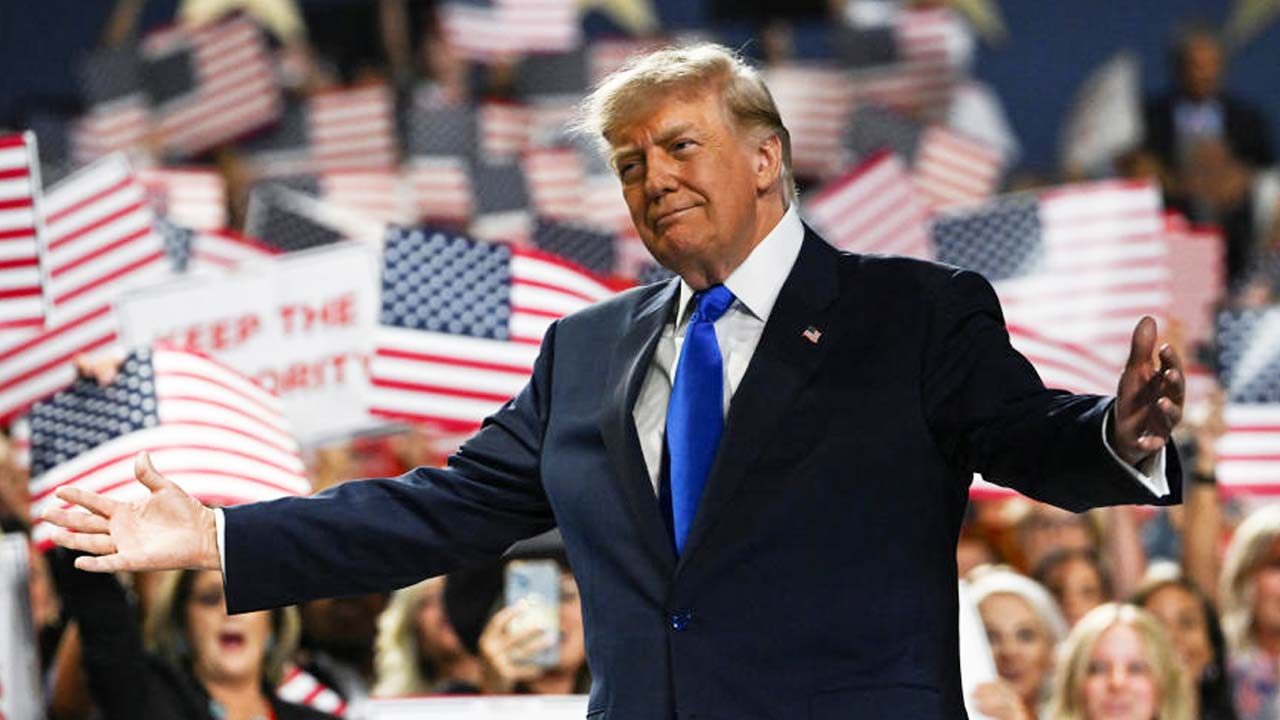
Washington is entering the final two weeks before the November 3 midterm elections with a political environment that has turned sharply against President Donald Trump and the Republican Party. Multiple national polls released in the last 72 hours place Trump's approval rating at the lowest level recorded in either of his presidential terms, a development that is directly reshaping Republican campaign strategy for control of Congress. The Fox News Poll released October 14 found Trump's approval at 36 percent among registered voters, with 64 percent disapproving, which the network noted is his lowest mark in Fox polling across both terms. That finding was reinforced by a Washington Post-ABC News-Ipsos poll released October 18, which found just 33 percent of U.S. adults approve of Trump's job performance while 66 percent disapprove, including 52 percent who said they strongly disapprove. An NBC News Decision Desk poll taken with SurveyMonkey also recorded 71 percent of adults saying the country is on the wrong track, with Trump's approval falling to 34 percent among all adults, a second-term low in NBC polling. Broader polling averages tell the same story. The RealClearPolling average from September 26 through October 15 put Trump at 38.7 percent approval and 59.4 percent disapproval for a net approval of minus 20.7 points, while the New York Times average had him at 37 percent approval and 60 percent disapproval and Nate Silver's Silver Bulletin average showed 37.5 percent approval. A Reuters/Ipsos six-day national survey found approval unchanged at 32 percent, also the lowest recorded by that organization for Trump across either term.
The collapse is being driven overwhelmingly by economic dissatisfaction. In the Fox News survey, six in 10 voters named the cost of living as their biggest economic concern, 74 percent rated the economy negatively and just 18 percent said their family was better off than two years ago. Trump's approval on inflation fell to just 22 percent, with 77 percent disapproving. Fox noted that figure is seven percentage points lower than former President Joe Biden's inflation approval rating in 2022 ahead of that year's midterms. The Post-ABC poll found around 3 in 4 Americans disapprove of Trump's handling of the cost of living and inflation, and for the first time in over a decade, Democrats are seen as more trustworthy on the economy than Republicans at 40 percent to 33 percent. The AP-NORC poll found similar anxiety, with 85 percent of voters calling the economy among their most important issues and 84 percent saying the same about the cost of living. That same AP-NORC data also shows fuel, groceries and home energy squeezing households, with a report noting that before US military action against Iran in February, 71 percent of respondents said gasoline was affordable, while the latest poll shows 71 percent now say it is unaffordable.
These numbers are translating into a clear advantage for Democrats on the generic congressional ballot. In the Fox News poll, Democrats lead Republicans 54 percent to 45 percent when voters are asked which candidate they would support in their House district, a nine-point margin that represents Democrats' largest advantage of the year in Fox polling. Independent voters appear to be driving much of that advantage, with Democrats holding a 26-point lead among independents. The Washington Post-ABC survey gives Democrats an eight-point lead for control of the House with registered voters, a five-point jump since July, while NBC found 55 percent of registered voters would choose Democrats over Republicans to control Congress during the final years of Trump's second term. Seven in 10 voters in the Fox poll also said they plan to use their midterm vote to send a message to Trump, with nearly twice as many expressing opposition as support.
Faced with these headwinds, Republicans are privately and publicly shifting strategy. With voters set to head to the polls on November 3, Republicans are reportedly reassessing their campaign strategy amid concerns over the party's narrow House majority and the growing vulnerability of some incumbents. According to reports by Politico and The New York Times, Republican-aligned super PACs and strategists are reconsidering campaign spending plans, shifting resources towards competitive races and vulnerable House seats rather than pursuing broader electoral gains. White House aides are privately conceding that Republicans have lost the path to maintaining control of the House, shifting their resources toward a defensive strategy to salvage the Senate majority amidst collapsing poll numbers. Republican congressional campaign operations have shifted into triage mode just three weeks ahead of the November elections, with the Congressional Leadership Fund, the primary super PAC aligned with Speaker Mike Johnson, canceling ad buys in targeted Democratic districts in Michigan and Ohio and pulling reservations in the Nebraska seat being vacated by retiring Rep. Don Bacon, alongside districts in New Jersey and Iowa. Five senior Republican lawmakers, speaking on condition of anonymity, said the House has all but slipped away from the GOP, with one predicting Democrats would pick up about 10 seats, more than enough to flip the chamber. The Cook Political Report moved 18 House races toward Democrats, reflecting an electoral map that has turned grim for the GOP, which holds just 220 seats. Some Republicans in swing districts are now touting bipartisan credentials and independence from the president in new ads, a move one veteran GOP strategist said happens in midterms when presidents aren't popular. The White House, however, continues to publicly insist Trump remains the party's best messenger. A White House spokesperson said no one can dispute that Trump has created one of the most robust coalitions in political history and is committed to maintaining Republican majorities.
Reporter
CSB News USA
Related News
Trump Delays Russia Sanctions Decision for Up to 60 Days as Energy Costs Pressure Americans

Trump Demands Death Penalty for Those Who Kill Firefighters, Sparking Nationwide Debate
Trump Halts Russia Sanctions, Sparking Global Economic Concerns as 60-Day Review Begins