

Russia Claims 1,015 Ukrainian Drones Destroyed Overnight as 20,000 Lose Electricity
Russia claims its air defenses destroyed 1,015 Ukrainian drones overnight, while reported strikes in Leningrad Region left approximately 20,000 residents without electricity.

CSB News USA
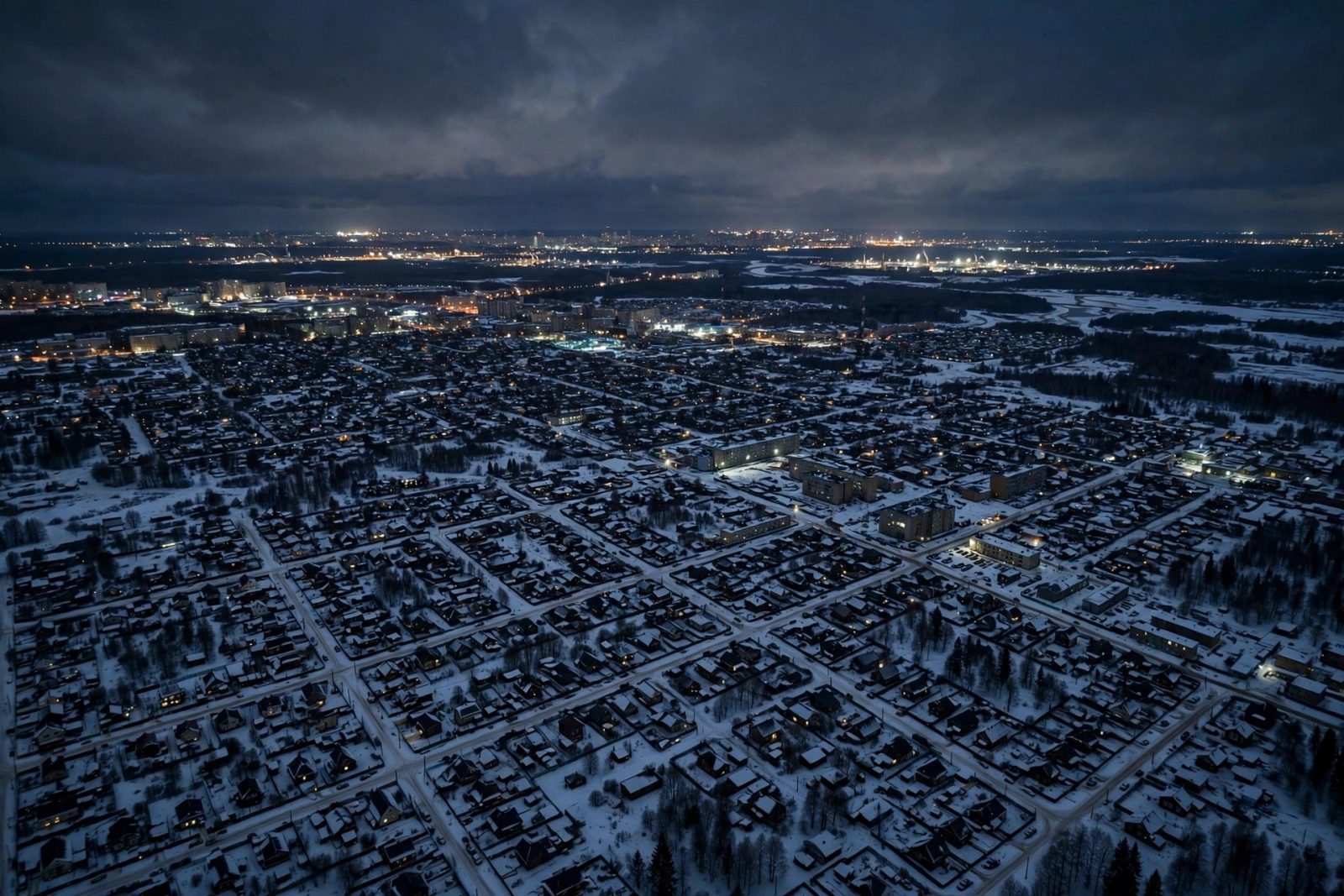
RUSSIA CLAIMS 1,015 UKRAINIAN DRONES DESTROYED OVERNIGHT AS STRIKES DISRUPT POWER SUPPLY
MOSCOW, RUSSIA: Russia has reported a large-scale Ukrainian drone attack targeting multiple regions, claiming that its air defense systems destroyed 1,015 Ukrainian drones overnight. According to the Russian Defense Ministry’s reported figures, the interceptions took place between the night of October 17 and the morning of October 18.
The reported attacks also caused disruption in the northwestern Leningrad Region, where approximately 20,000 residents reportedly lost electricity following damage to electrical infrastructure.
The drone interception figure remains a claim by Russian authorities and has not been independently verified in full. The overall scale of the attack, the number of drones that reached their intended targets and the extent of the reported damage remain important questions.
DRONE ATTACKS REPORTED IN LENINGRAD REGION
Leningrad Region, located in northwestern Russia near St. Petersburg, was among the areas reportedly affected by the overnight attacks.
Regional Governor Alexander Drozdenko reportedly said that 145 drones were intercepted in the region. Authorities also reported damage associated with falling drone debris, including disruption affecting infrastructure and residential areas.
In the Yanino area, two transformer substations were reportedly shut down following the incident. The disruption affected approximately 50 apartment buildings, leaving around 20,000 residents without electricity.
Emergency and utility crews began working to restore power and assess the affected infrastructure. The duration of the outage and the full extent of the damage were not established in the supplied report.
The incident highlights the potential consequences of drone warfare for civilian communities, particularly when electrical distribution facilities are damaged or taken offline.
FIRES AND DAMAGE REPORTED AT KEY FACILITIES
Reports also described fires at oil-related facilities, warehouses and other infrastructure in St. Petersburg and surrounding areas during the attacks.
Among the sites reportedly affected were an oil terminal in St. Petersburg and a logistics facility operated by online retailer Ozon. A data center associated with Russian technology company VK was also reportedly targeted or affected.
VK reportedly stated that its services remained operational following the incident. The full extent of any physical damage to the facilities was not independently established in the information provided.
Authorities also reportedly imposed temporary flight restrictions at St. Petersburg’s airport as a precaution during the drone attacks.
Such restrictions are commonly used when aerial threats are reported near major airports. They can cause delays, diversions and disruption to passenger and cargo services, depending on how long the restrictions remain in place.
The reported incidents underline the security challenges facing major transport, energy and technology facilities during the continuing Russia-Ukraine conflict.
EFFORTS TO RESTORE ELECTRICITY
Following the reported damage to electrical infrastructure in Leningrad Region, emergency personnel and utility workers began repair operations.
Local authorities reportedly prioritized restoring electricity to affected residential buildings and assessing the condition of the damaged facilities.
Power outages can disrupt heating, lighting, communications and other essential household services. They may also affect businesses and public services that depend on reliable electricity.
The reported impact on approximately 20,000 residents illustrates how attacks on infrastructure can extend beyond immediate physical damage, creating wider difficulties for civilian communities.
The final impact will depend on the severity of the damage, the availability of replacement equipment and how quickly repair crews can safely complete their work.
RUSSIA-UKRAINE CONFLICT CONTINUES TO ESCALATE
The reported overnight attacks come amid continuing exchanges of drone and missile strikes between Russia and Ukraine.
Both countries have increasingly relied on unmanned aerial vehicles to target military positions, logistics networks and infrastructure. Long-range drones can reach locations far from the front lines, placing energy facilities, industrial sites and transport networks under pressure.
Russia says its air defense systems intercepted large numbers of Ukrainian drones during the reported operation. However, interception figures released by authorities involved in a conflict can be difficult to verify independently, particularly when attacks occur across multiple regions over a short period.
The distinction between drones launched, detected, intercepted and those that reach their targets is important when assessing the actual scale of an operation.
Likewise, reports of damage to individual facilities require confirmation to establish the extent of the impact and whether essential services were affected.
CIVILIAN INFRASTRUCTURE REMAINS AT RISK
The reported power disruption in Leningrad Region again raises concerns about the vulnerability of civilian infrastructure during the war.
Electrical substations and distribution networks are critical to everyday life. Damage to these systems can affect homes, hospitals, businesses and other essential services, even when the initial attack is directed at a different objective.
Energy facilities and logistics centers also play a significant role in economic activity and the movement of goods. Disruption to these networks can create consequences that extend beyond the immediate location of an attack.
The reported incidents in and around St. Petersburg demonstrate the importance of assessing both military claims and the effects on civilian populations.
WHAT HAPPENS NEXT?
Authorities are expected to continue assessing damage and working to restore electricity in affected areas. Further information would be needed to establish the full number of drones involved, the extent of the infrastructure damage and whether additional disruptions occurred.
For now, Russia’s claim that 1,015 Ukrainian drones were destroyed overnight remains unverified independently. The reported outage affecting approximately 20,000 residents in Leningrad Region highlights the potential civilian consequences of the continuing conflict.
Reporter
CSB News USA
Related News

Ukraine Launches Massive Drone Attack on St. Petersburg, Russia Reports 1,015 Interceptions
Zelensky Accuses Russia of Violating Energy Ceasefire 76 Times in One Week

Saudi Arabia Shoots Down Four Houthi Drones Across Three Regions