
Rubio Says India-US Trade Deal Nears Finalization as Russian Oil Sanctions Relief Continues
Marco Rubio says the United States and India are close to a trade deal, citing India’s energy needs and global supply concerns.

CSB News USA
INDIA-US TRADE DEAL NEARS COMPLETION AS RUBIO EXPLAINS RUSSIAN OIL SANCTIONS RELIEF
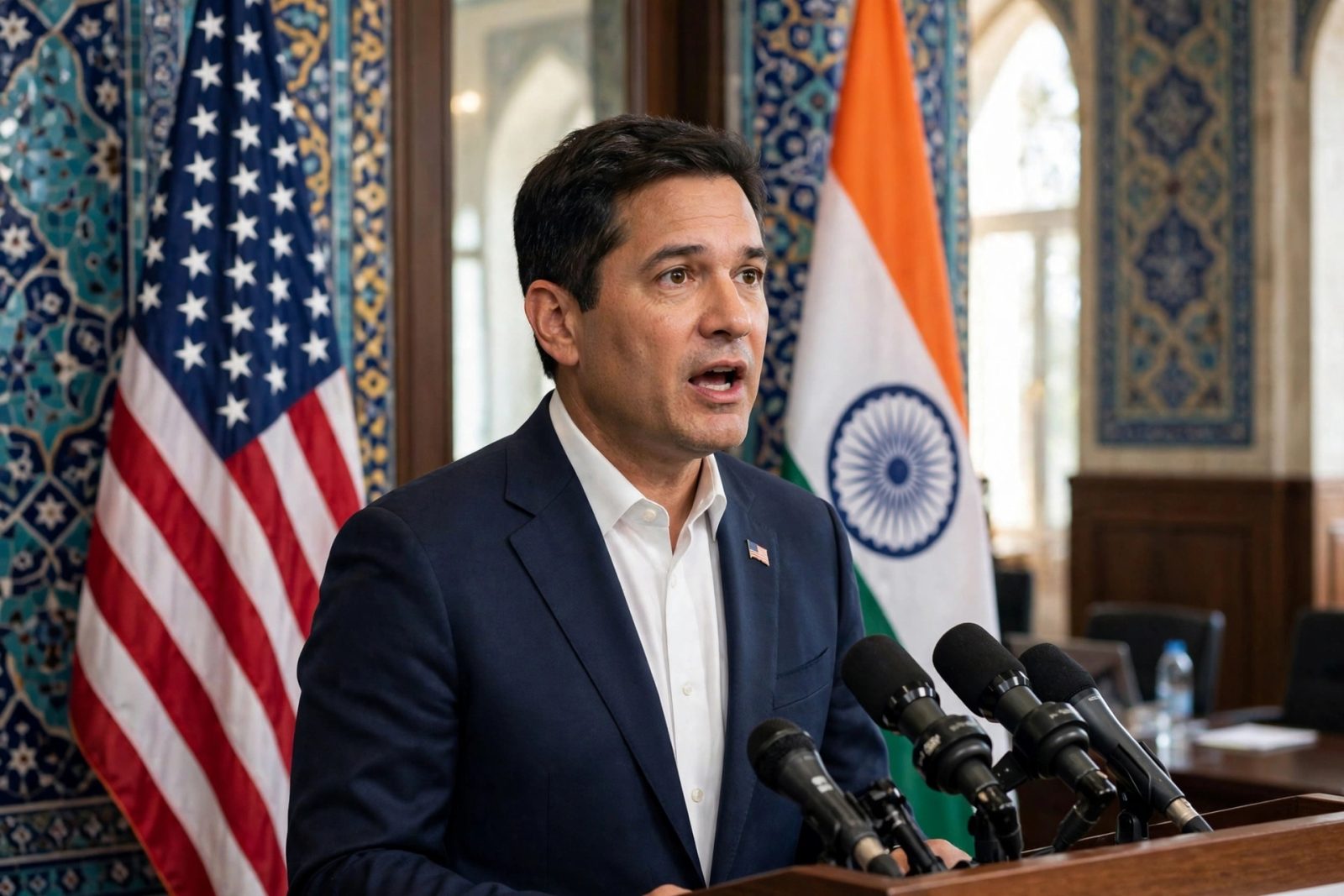
SAMARKAND, UZBEKISTAN: US Secretary of State Marco Rubio said Monday that the United States and India are very close to finalizing a proposed trade agreement, signaling progress in economic negotiations between the two countries. Speaking to reporters in Samarkand, Uzbekistan, Rubio also explained that President Donald Trump’s decision to grant relief from certain Russian oil-related sanctions took India’s energy requirements and global supply concerns into consideration.
The remarks highlight the close connection between international trade, energy security and diplomatic relations. However, the final terms of the proposed agreement, the precise scope of the reported sanctions relief and the timeline for implementation require confirmation through official announcements.
PROGRESS TOWARD AN INDIA-US TRADE AGREEMENT
The United States and India maintain extensive economic ties across manufacturing, technology, pharmaceuticals, agriculture and services. A finalized trade agreement could affect market access, tariffs, investment and commercial cooperation between the two economies.
Rubio’s statement suggests that negotiations have reached an advanced stage. However, describing a deal as close to completion does not mean it has already been signed or that all outstanding issues have been resolved.
The agreement’s final terms, including the products covered, applicable tariff rates and implementation schedule, remain important details to watch. Businesses in both countries will be looking for clarity on any changes to trade rules and market access.
If finalized, the agreement could provide greater certainty for exporters, importers and investors. Its actual economic impact would depend on the commitments made by both governments and how those commitments are implemented.
INDIA’S ENERGY REQUIREMENTS IN FOCUS
India is one of the world’s major energy consumers and relies heavily on imported crude oil to support transportation, industrial production and wider economic activity. Maintaining reliable supplies at competitive prices is therefore a major consideration for Indian policymakers.
Energy purchasing decisions are influenced by international oil prices, shipping routes, supply availability and existing commercial infrastructure. Switching suppliers can involve additional transportation costs, changes to contracts and adjustments to refinery operations.
Rubio emphasized the importance of geographical realities when explaining the administration’s position. He said, “Geography is real. For some countries, it's very difficult to acquire energy from alternative sources.”
His comments underline the practical challenges countries can face when attempting to replace established energy suppliers. They also illustrate how energy security can influence broader diplomatic and economic decisions.
RUSSIAN OIL AND US SANCTIONS RELIEF
The reported sanctions relief involving Russian oil is another key element of the discussion. According to Rubio, the Trump administration considered India’s energy needs and concerns about global supplies when making its decision.
Sanctions involving Russian energy have broader implications for international trade and oil markets. Restrictions can affect purchasing arrangements, shipping, insurance and financial transactions, depending on the specific measures involved.
However, the precise scope and duration of the reported relief have not been established by the information provided. It is important to distinguish a limited waiver or temporary exemption from a broader removal of sanctions.
The practical impact will depend on which transactions are covered, which parties are eligible and what conditions apply. Official documentation is needed to clarify these details.
POTENTIAL TARIFF CONSEQUENCES FOR INDIAN EXPORTS
The supplied information states that the reported waiver helps prevent tariffs of up to 100% on Indian goods. Such a tariff level, if applied to affected products, could significantly increase costs for exporters and US importers.
Higher tariffs can make imported goods more expensive, reduce demand and force businesses to reconsider their supply chains. Some companies may absorb part of the additional costs, while others may pass them on to customers.
For Indian exporters, avoiding substantial tariff increases could help preserve access to the American market. US businesses that rely on Indian products could also benefit from greater predictability in sourcing and pricing.
Nevertheless, the precise relationship between the Russian oil sanctions relief and the reported tariff provisions requires verification. Sanctions exemptions and trade tariffs are separate policy instruments, and their connection should not be assumed without official clarification.
RUBIO EXPECTED TO MEET JAISHANKAR IN MUMBAI
According to the supplied information, Rubio is expected to arrive in Mumbai on Tuesday for a meeting with Indian External Affairs Minister S. Jaishankar.
The meeting could provide an opportunity to discuss trade negotiations, energy security and wider bilateral relations. High-level diplomatic engagements can help governments address outstanding differences, clarify policy positions and determine the next steps in ongoing negotiations.
However, the detailed agenda and any expected announcements have not been confirmed in the information provided. Whether the meeting produces a formal agreement or additional policy commitments remains to be seen.
GLOBAL ENERGY SUPPLY REMAINS A KEY FACTOR
The discussion reflects the challenge governments face when balancing international sanctions with the practical requirements of energy-importing economies.
Changes in oil supply arrangements can influence prices, shipping costs and business planning. For major energy consumers such as India, the availability of reliable supplies is closely linked to economic stability and industrial activity.
Washington’s explanation, as described by Rubio, suggests that the administration is considering these practical concerns alongside its broader policy toward Russia. The longer-term consequences will depend on the details of the sanctions relief and future decisions by both governments.
WHAT HAPPENS NEXT?
The next major developments will be the official terms of any finalized India-US trade agreement, clarification of the Russian oil-related sanctions relief and the outcome of Rubio’s discussions with Jaishankar.
For now, Rubio’s remarks indicate progress in bilateral trade negotiations while placing India’s energy needs and global supply conditions at the center of the discussion. The final agreement, its implementation timeline and the precise effects of the reported policy relief remain important questions.
Reporter
CSB News USA
Related News
Iran Says Strait of Hormuz Could Reopen Within Six Days if US Meets Conditions
Trump’s Midterm Strategy Faces a Critical Test as Voters Focus on the Economy
Trump Hits Record Low Approval As Republicans Rethink Strategy Before Crucial Midterms