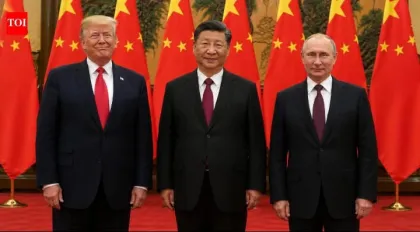

Trump Targets Democrats Over Trade Deals as Midterm Election Battle Heats Up
President Donald Trump is taking aim at Democrats over past trade deals and lost manufacturing jobs as the midterm elections approach. With jobs, the economy, and workers’ financial security in focus, the debate over who can deliver better economic results is heating up across the United States.

Reporter · CSB News USA
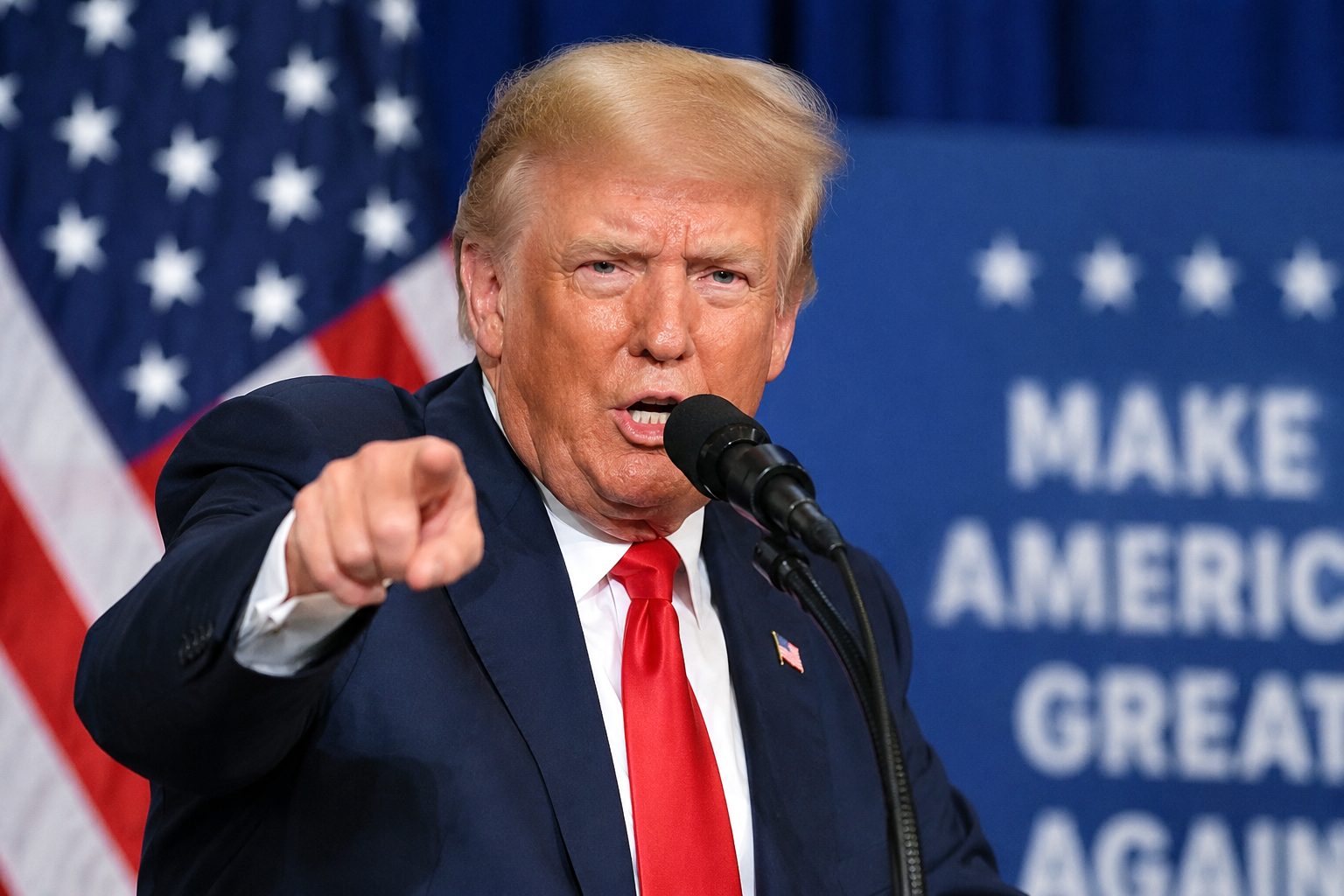
US President Donald Trump has continued to criticize Democrats over trade policy, manufacturing employment, and the economic expectations of ordinary Americans. His central argument is that Democrats have long promised to improve living standards and create well-paying jobs but have failed to meet those expectations in many cases. He has particularly argued that international trade agreements have contributed to job losses in the American manufacturing sector.
Trade agreements have long been a major issue in Trump's political messaging. He argues that competition from foreign products and the relocation of manufacturing operations to other countries have hurt workers in several American industrial regions. According to his position, increasing domestic production, creating favorable conditions for US businesses, and imposing tariffs on foreign goods could help strengthen American industries.
Trump has repeatedly criticized the North American Free Trade Agreement and US trade relations with China. He has alleged that these policies encouraged some American companies to move their production overseas, putting many workers' jobs at risk. However, trade agreements are not the only factor behind manufacturing job losses. Advances in technology, increased automation, changing consumer demand, and international competition have also played significant roles.
Manufacturing employment remains a politically important issue in many American industrial communities. Residents of areas that have historically depended on factories and manufacturing businesses are concerned about stable employment, decent wages, and their ability to cover household expenses. Both Republicans and Democrats seek support from these voters by promising stronger job creation, higher wages, and industrial development.
Another recurring criticism from Trump is that Democrats have failed to deliver the economic results they promised to ordinary Americans. His supporters argue that tariffs on imported goods and efforts to expand domestic production can encourage companies to manufacture more products in the United States. Critics, however, warn that higher tariffs can increase costs for businesses that depend on imported goods and materials. Some of those additional costs may eventually be passed on to consumers through higher prices.
Economists point out that the relationship between trade agreements and employment is more complicated than political arguments often suggest. The effects of a trade agreement depend on the industry involved, the period being examined, production methods, and consumer behavior. Foreign competition can reduce employment in certain sectors, while access to cheaper raw materials, expanded export opportunities, and larger markets can create jobs in others. As a result, the history of American manufacturing employment cannot be explained solely by one policy or the decisions of a single political party.
Ahead of the 2026 US midterm elections, the economy, cost of living, employment, and trade policy are important subjects in the country's political debate. Voters are likely to consider which party can offer practical solutions to increase incomes, protect jobs, and help families manage everyday expenses. Trump and Republicans are highlighting their trade policies and plans to expand domestic manufacturing. Democrats, meanwhile, are emphasizing their own arguments concerning job creation, workers' rights, and the economic security of ordinary families.
Trump's criticism of Democrats over trade agreements and manufacturing job losses is part of a longstanding political debate in the United States. However, his claims should be evaluated separately from independently verified economic evidence. Determining how many jobs were lost because of particular trade agreements, which policies helped create new employment, and what other factors contributed to these changes requires an examination of official employment statistics and economic research.
Related News
Trump’s Approval Hits 33% as Democrats Gain Ground Ahead of High-Stakes Midterm Elections
Trump Delays Russia Sanctions, Faces Criticism From Both Parties
Trump Turns on His Own Advisers as Republicans Face Mounting Midterm Election Pressure