
Trump Delays Russia Sanctions, Faces Criticism From Both Parties
Donald Trump has suspended key new Russia sanctions, prompting bipartisan criticism and raising fresh concerns about American support for Ukraine.

Reporter · CSB News USA
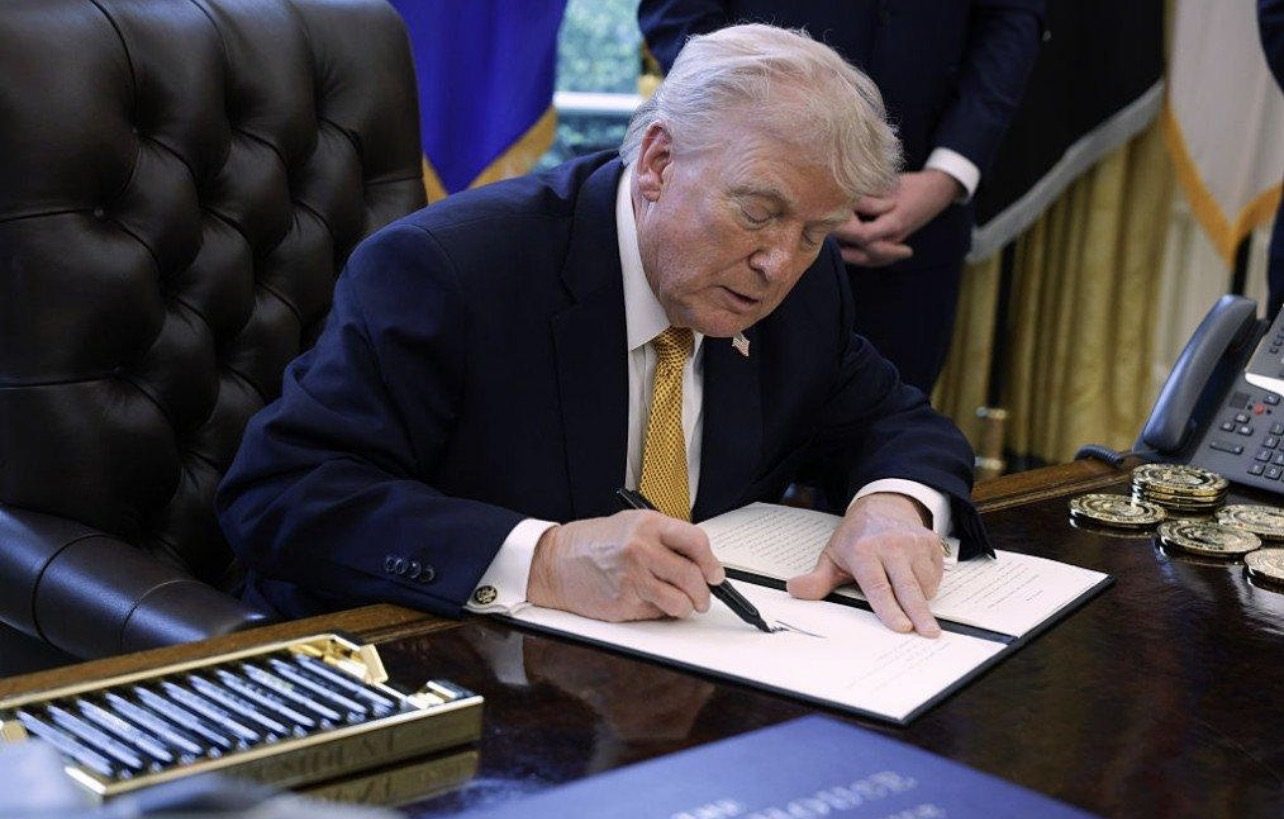
President Donald Trump has sparked a fresh political controversy in Washington after suspending key sanctions and trade penalties targeting Russia and countries that purchase Russian oil and natural gas. The decision came just two days before major provisions of a new law were scheduled to take effect, raising questions about the administration’s strategy toward Moscow and its commitment to supporting Ukraine.
Trump signed an executive order on October 16, 2026, invoking a provision that allows the president to waive certain requirements under the Lindsey O. Graham Sanctioning Russia and Iran Act of 2026. The law was signed in September and was designed to increase economic pressure on Russia over its continuing war against Ukraine.
The president said the waiver was in the national interest of the United States. However, the decision immediately drew criticism from lawmakers in both parties, with opponents arguing that delaying the measures could weaken Washington’s leverage over Russian President Vladimir Putin.
The White House order confirms that Trump waived several sanctions provisions, restrictions and duties established under the new legislation. The measures will remain suspended until the president or designated senior administration officials determine that further action is appropriate. The order also directs officials to monitor Russian energy purchases and activities linked to sanctions evasion.
The decision does not eliminate every existing American sanction against Russia. The executive order specifically preserves sanctions and other measures imposed under earlier executive orders addressing Russian government activities. This distinction is important because the new waiver concerns provisions of the recently enacted law rather than a complete removal of the broader sanctions framework.
The timing has become a central issue in the controversy. Congress passed the legislation with bipartisan support, and Trump signed it only weeks before deciding to suspend significant parts of its implementation. The new restrictions were scheduled to begin taking effect on October 18, making the October 16 executive order a last-minute intervention.
According to the White House document, the law itself gives the president authority to waive covered measures if he certifies to Congress that doing so serves the national interest. Trump said he had submitted the required certification and a report explaining the decision. However, the publicly available order does not provide a detailed explanation of the economic or diplomatic calculations behind the waiver.
The legislation was named after the late Republican Senator Lindsey Graham, who had been a prominent advocate of tougher measures against Russia. The package was intended to limit the financial resources available to Moscow as it continues its war against Ukraine, which began with Russia’s full-scale invasion in February 2022.
Among its most significant provisions were potential tariffs of up to 100 percent on goods from major buyers of Russian oil and natural gas. The law also included measures targeting Russian officials, financial institutions, energy traders and networks involved in moving Russian petroleum around international restrictions.
The legislation was particularly relevant to countries that continue to purchase large quantities of Russian energy. China and India are among the major buyers of Russian oil, while other countries have also maintained commercial relationships with Moscow. The proposed penalties raised concerns about the potential impact on international trade, diplomatic relations and energy markets.
Under the new framework, the administration had the authority to impose substantial duties on imports from the five largest purchasers of Russian crude oil and natural gas under specified conditions. The law also addressed countries that knowingly continued buying Russian energy or helped Russia evade sanctions. The new executive order waived key duties and restrictions covered by the legislation, while retaining provisions for monitoring and possible future action.
Democratic Senator Richard Blumenthal, a co-author of the legislation, sharply criticized the president’s decision. He argued that the waiver undermined congressional efforts to pressure Moscow and weakened cooperation with European allies supporting Ukraine.
Other Democratic lawmakers also accused Trump of retreating from a bipartisan policy intended to increase the cost of Russia’s military campaign. Representative Don Beyer of Virginia said Congress should address weaknesses in the law to prevent the administration from undermining its intended purpose.
The backlash has not been limited to Democrats. Reporting by several news organizations indicates that Republican lawmakers have also expressed concern about the administration’s approach to Russian energy and its implications for Ukraine. The controversy has placed members of Trump’s own party in a difficult position as they defend their support for sanctions while responding to the president’s decision to delay their implementation.
The criticism comes amid growing debate over Washington’s broader relationship with Moscow. Trump has repeatedly presented negotiations and economic arrangements as potential tools for reducing international tensions and lowering energy costs. Critics, however, argue that easing pressure on Russia without securing meaningful concessions could strengthen the Kremlin’s position.
The controversy has also intensified because of a reported agreement involving Russian diesel supplies. Trump recently said Russia would supply substantial quantities of diesel for international markets. According to reporting by the Associated Press, the proposed arrangement included more than 300,000 tons initially, followed by additional shipments in November and later deliveries.
The administration’s interest in increasing fuel supplies comes as energy prices have become a significant political concern in the United States. Higher fuel costs can affect household budgets, transportation expenses and businesses that rely on diesel. The administration may hope that additional supplies could help relieve pressure in energy markets, although the actual effect on prices remains uncertain.
Critics argue that any economic benefit must be weighed against the potential consequences for Ukraine. Russia’s energy exports remain an important source of revenue for its government, and critics fear that allowing Moscow greater access to international markets could help finance its military operations.
The relationship between energy prices and sanctions is complex. Oil and diesel prices depend on global supply, demand, refining capacity, shipping costs, geopolitical risks and other market conditions. Allowing additional Russian supplies to reach international markets could affect some prices, but it does not guarantee a substantial reduction in costs for American consumers.
The waiver therefore presents a difficult policy choice. Maintaining strict restrictions could increase pressure on Russia but might also create complications for countries and businesses that depend on international energy supplies. Relaxing the restrictions could ease some commercial pressures, but it could also reduce the economic costs imposed on Moscow.
Ukrainian President Volodymyr Zelenskyy criticized the suspension, describing the decision as unfortunate and urging supporters to speak up for the law. He argued that the legislation could help pressure Russia to end the war if its provisions were actually enforced.
Zelenskyy’s response reflects Kyiv’s concern that any reduction in American economic pressure could make it more difficult to persuade Moscow to negotiate seriously. Ukraine has repeatedly called on its Western partners to maintain or strengthen sanctions, arguing that Russia should not receive economic relief while continuing attacks on Ukrainian territory and infrastructure.
The issue is particularly sensitive as Ukraine faces the prospect of further Russian attacks on its energy infrastructure ahead of winter. Ukrainian officials have warned that strikes on power facilities can threaten electricity and heating supplies, creating additional challenges for civilians.
The American decision could also affect relations with European governments. Many European countries have supported sanctions intended to reduce Russia’s ability to finance the war, although their approaches to energy imports have differed. A change in Washington’s policy could complicate coordination among Western allies and raise questions about the consistency of their collective strategy.
At the same time, the waiver does not necessarily mean that the United States has abandoned negotiations or that the sanctions framework cannot be strengthened again. The executive order allows the administration to reconsider the suspended measures if officials determine that further action is appropriate. The administration has also retained authority to monitor developments involving Russian energy purchases and sanctions evasion.
That flexibility leaves considerable uncertainty about what comes next. The president could restore some restrictions, impose measures under other existing authorities or continue the suspension while pursuing diplomatic and economic objectives. Any such move would depend on future decisions by the administration and developments in relations with Russia and Ukraine.
The legal structure of the waiver is also significant. The legislation explicitly authorized the president to suspend covered provisions after certifying that the decision served the national interest and notifying Congress. Trump invoked that authority in the October 16 order. Consequently, the immediate controversy concerns not simply whether the president can issue a waiver, but whether exercising that authority is consistent with the objectives Congress intended the law to achieve.
The political consequences may extend beyond foreign policy. The dispute comes shortly before the November 3, 2026, midterm elections, when Republicans are seeking to maintain control of Congress. Candidates may face questions about whether the administration’s approach to Russia strengthens American interests, supports Ukraine or prioritizes domestic energy prices.
For Democrats, the waiver provides an opportunity to challenge Trump’s foreign policy and argue that the administration is weakening pressure on the Kremlin. For Republicans, the decision creates a potential divide between those who favor the president’s negotiating strategy and those who believe stronger sanctions are necessary to deter Russian aggression.
The international response will also depend on what Russia does next. If Moscow uses the period of reduced pressure to expand its energy exports or avoid additional restrictions, critics may intensify demands for renewed sanctions. If the administration can demonstrate measurable progress toward reducing hostilities or securing diplomatic concessions, supporters may argue that the waiver served a practical purpose.
At present, however, there is no publicly established evidence that suspending the new measures has produced a breakthrough in peace negotiations. Nor is there sufficient evidence to conclude that the waiver alone will determine the course of the war or the future of global energy prices.
The central facts are clear: Trump signed the new sanctions law in September, issued a waiver on October 16, and cited American national interests as the justification. The order suspended key provisions shortly before their scheduled implementation, triggering criticism from Democrats, some Republicans and Ukraine’s leadership.
The wider implications remain uncertain. The decision could influence Russian energy revenues, relations between Washington and Kyiv, cooperation with European allies and the political debate over American foreign policy. Whether it ultimately helps reduce tensions or weakens pressure on Moscow will depend on how the administration uses its remaining powers and whether its diplomatic efforts produce tangible results.
For now, the waiver has exposed a significant disagreement over how the United States should use economic pressure to influence Russia. The administration is emphasizing flexibility and national interests, while critics argue that the credibility of sanctions depends on consistent enforcement. That debate is likely to continue as the war in Ukraine persists and Washington weighs the economic, diplomatic and security consequences of its next steps.
Related News
Trump Turns on His Own Advisers as Republicans Face Mounting Midterm Election Pressure
Trump Announces Nuclear Disarmament Talks With Russia and China
Trump Projects Strength at White House as His Political Battles Continue Today