

Trump Unveils $6 Billion Science Push to Strengthen America’s Global Tech Leadership
The Trump administration announced $6 billion in science initiatives supporting research tools, university partnerships, student training and advanced computing nationwide.

Reporter · CSB News USA
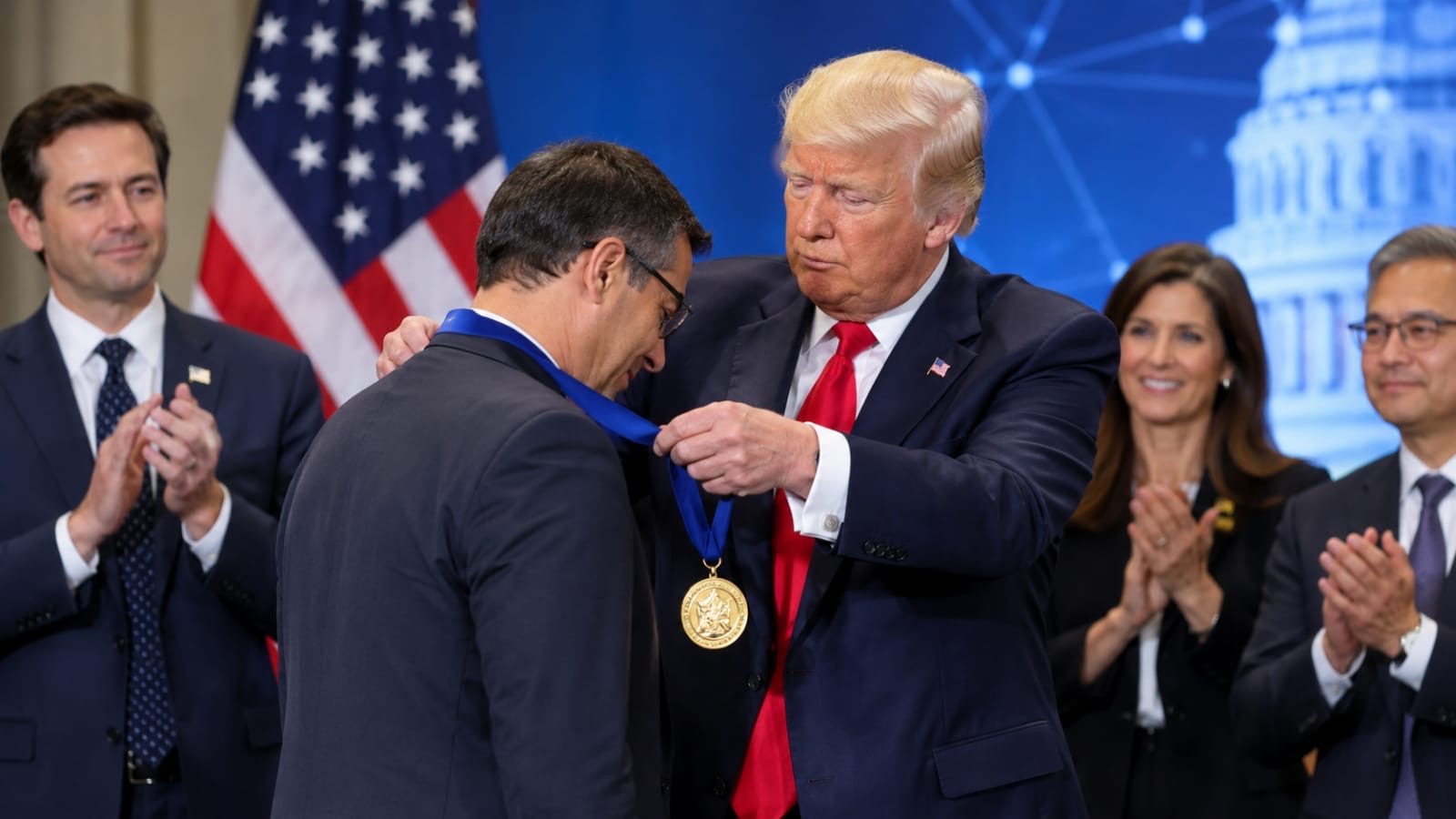
The Trump administration has announced a major science and technology initiative involving more than $6 billion in investments and commitments across the federal government, industry, universities and philanthropic organizations.
Announced at the “Science: A New Golden Age” summit on October 8, the initiative aims to strengthen American scientific research, expand access to advanced computing resources and create new opportunities for students and early-career researchers.
According to the White House, the program includes $2.4 billion in industry commitments for computing resources and related tools under the Genesis Mission Consortium. The resources are intended to support more than 15 federal agencies working on national science and technology challenges.
The administration also highlighted a $100 million investment announced by the National Science Foundation and the Department of Energy for advanced scientific instruments and autonomous laboratories.
Education and workforce development are additional priorities. The initiatives include research fellowships, expanded opportunities for students with strong mathematics and science skills, and programs designed to help young researchers gain practical experience.
The White House also outlined partnerships involving universities and industry to expand scientific computing infrastructure. One announced effort involving universities, businesses and the state of Georgia includes a $1 billion investment in scientific computing and workforce training.
If implemented successfully, these initiatives could give researchers and students access to more advanced tools, support scientific discoveries and strengthen the country's technology workforce.
However, the announced total includes commitments from multiple public and private partners; it should not be interpreted as $6 billion in newly appropriated federal spending. The long-term economic and scientific effects will depend on implementation and measurable results.