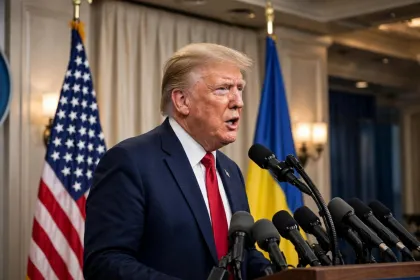

Trump Halts Russia Sanctions, Sparking Global Economic Concerns as 60-Day Review Begins
Trump waived key Russia-related sanctions and tariffs, while Secretary Marco Rubio says officials will assess economic effects for 60 days.

CSB News USA
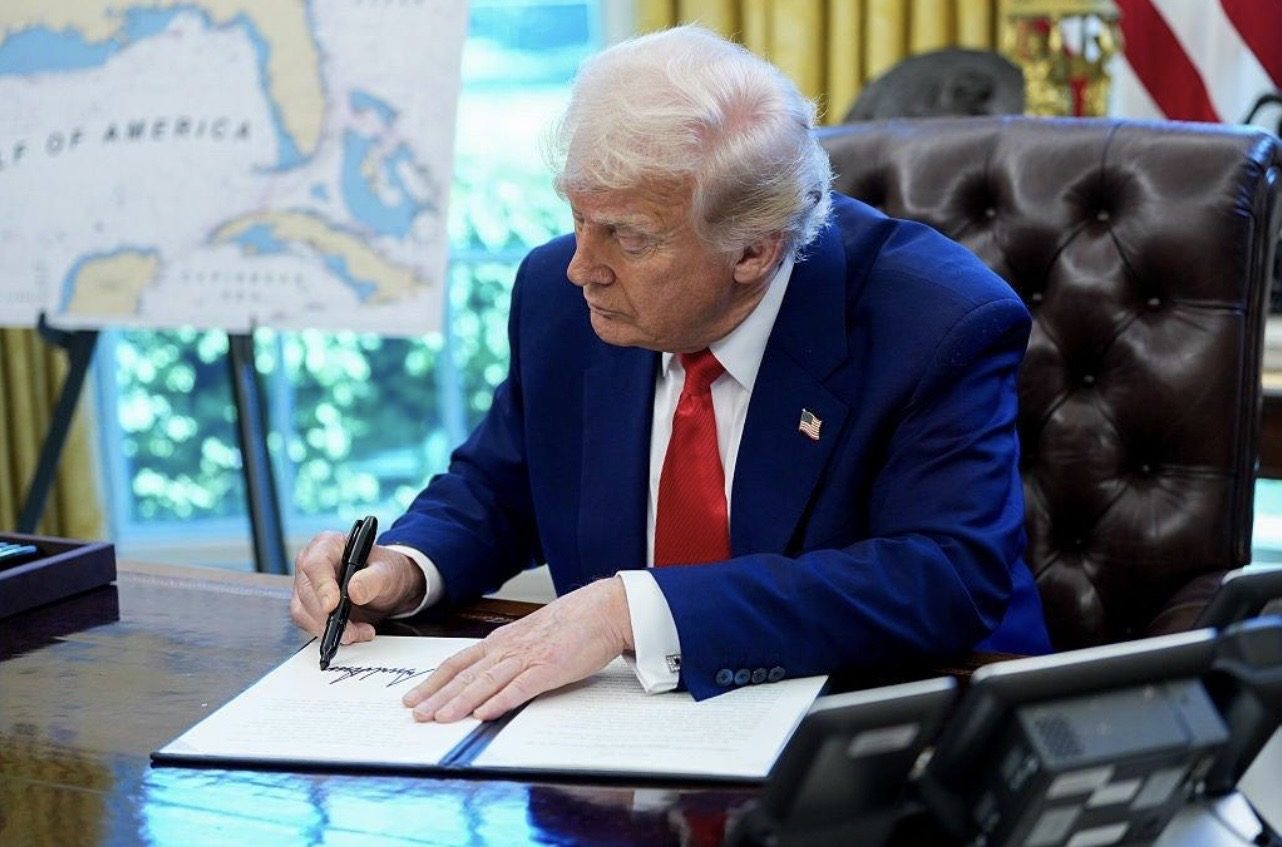
U.S. President Donald Trump has temporarily waived key Russia-related sanctions and tariffs just days before they were scheduled to take effect, triggering criticism from lawmakers in both major political parties and raising fresh questions about Washington’s strategy toward Moscow and Kyiv.
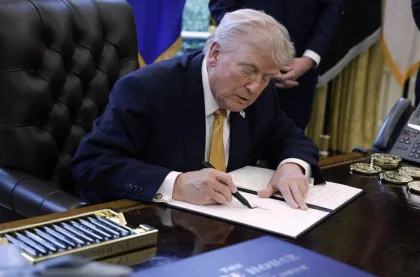
Trump signed an executive order on October 16 suspending the application of numerous measures included in the Lindsey O. Graham Sanctioning Russia and Iran Act of 2026. The legislation, which Trump signed into law in September, was designed to increase economic pressure on Russia over its war against Ukraine.
On Saturday, October 17, Trump said he had not yet announced a final decision on the broader sanctions policy. Secretary of State Marco Rubio subsequently said the administration wanted up to 60 days to evaluate the potential economic consequences of imposing the measures.
According to Reuters, Trump told reporters at his Mar-a-Lago club in Florida that the administration was still considering its options. Rubio explained that the review would examine the effects on both the American economy and international markets.
The executive order, published by the White House, invokes a provision of the new law allowing the president to waive specified sanctions, restrictions and duties when he determines that doing so serves the national interest. Trump submitted the required certification to Congress explaining the basis for the waiver.
The decision does not mean that every existing American sanction against Russia has been lifted. The order distinguishes the newly enacted measures from restrictions imposed under earlier executive orders. Those existing measures remain in place unless separately changed.
The Graham Act was intended to strengthen pressure on Russia following its full-scale invasion of Ukraine in February 2022. Among its provisions were restrictions targeting Russian interests and additional duties on goods from Russia and certain countries purchasing Russian oil and gas or facilitating sanctions evasion.
The law contemplated tariffs of up to 100% on goods from specified countries under particular conditions. India, one of the major buyers of Russian crude oil, was among the countries potentially affected by the legislation. The prospect of additional tariffs had raised concerns about trade relations between Washington and important international partners.
The administration’s decision to postpone enforcement comes amid concerns about rising energy costs and disruptions to global fuel supplies associated with the conflict involving Iran. Officials have argued that the economic consequences of additional restrictions must be considered before the measures are implemented.
However, the decision has prompted criticism from supporters of Ukraine who argue that easing economic pressure could weaken efforts to constrain Russia’s ability to finance its military campaign.
Ukrainian President Volodymyr Zelensky criticized Trump’s decision, saying the suspension benefits Russia and could encourage Moscow to continue its attacks. Zelensky has repeatedly called for stronger international pressure on the Russian government and additional support for Ukraine.
Members of Congress have also questioned the administration’s approach. Critics from both parties have argued that delaying the sanctions undermines the purpose of legislation that received substantial bipartisan support.
The controversy has been particularly significant because the legislation was championed by the late Republican Senator Lindsey Graham. His supporters viewed the measure as a way to increase the economic cost of Russia’s continued war against Ukraine.
Darline Graham, Lindsey Graham’s sister and his successor in the Senate seat, said she would personally prefer to maintain pressure on Russia. Her remarks reflected the disagreement among lawmakers over whether suspending the measures serves American interests.
The administration has defended its broader approach by pointing to the relationship between energy security, international diplomacy and the ongoing conflicts in Ukraine and the Middle East. Officials have suggested that decisions affecting fuel supplies cannot be considered separately from their potential consequences for consumers and global markets.
Another factor in the debate is a separate arrangement announced by Trump involving Russian diesel supplies. The president said Russia would initially provide more than 300,000 metric tons of diesel to the United States and international markets, followed by additional shipments in November and subsequent months.
Trump has presented the arrangement as part of an effort to increase fuel availability and ease pressure on prices. Rubio has defended the agreement, arguing that Russian diesel would be sold on the international market regardless and that the arrangement could allow the United States to obtain part of the supply.
Critics, however, have questioned whether the proposed shipments would meaningfully reduce American fuel prices. They also warn that revenues from Russian energy exports could provide Moscow with additional resources while the war continues.
The potential economic benefits remain uncertain. The volume of diesel announced by Trump represents only a limited portion of overall American fuel consumption, and the actual impact on retail prices will depend on supply conditions, transportation costs, refinery operations and broader international market developments.
The sanctions decision also comes ahead of the November 3, 2026, U.S. midterm elections, when Republicans will seek to maintain their congressional majorities. High energy prices have become a politically sensitive issue, increasing pressure on the administration to demonstrate that its policies can help consumers.
Nevertheless, the administration has not established that suspending the new measures will necessarily produce lower prices. Any assessment will depend on market developments and the implementation of the proposed energy arrangements.
For now, the executive order leaves the new sanctions and tariff provisions waived until the president or designated senior officials determine that further action is appropriate. Rubio’s proposed 60-day review provides the administration with time to evaluate the economic and diplomatic consequences, but it does not guarantee that the measures will automatically take effect when the period ends.
The decision highlights the difficult balance facing Washington as it seeks to manage energy costs, maintain relationships with international partners and influence the course of the war in Ukraine.
Further developments will depend on the administration’s review, congressional responses, international energy market conditions and the evolving diplomatic situation between Russia, Ukraine and the United States .
Reporter
CSB News USA
Related News
Trump Hits Pause on Russia Sanctions, Sparking New Firestorm Over Ukraine War Policy
Midterm Showdown Intensifies as Trump’s Republicans Fight to Hold Congress
Trump Halts New Russia Sanctions, Raising Global Concerns Over Oil Markets and Ukraine War