
Zelensky Accuses Russia of Violating Energy Ceasefire 76 Times in One Week
Zelensky accuses Russia of 76 attacks on Ukraine’s energy sector, reporting widespread power outages, civilian casualties and mounting pressure for peace.

CSB News USA
ZELENSKY ACCUSES RUSSIA OF 76 ENERGY CEASEFIRE VIOLATIONS IN ONE WEEK
Ukrainian President Volodymyr Zelensky has accused Russia of repeatedly targeting Ukraine’s energy infrastructure despite an announced energy ceasefire, alleging that Russian forces carried out 76 attacks against the country’s energy, oil and gas sectors in one week. According to Zelensky’s statement, the attacks continued after the United States president announced the ceasefire initiative, raising fresh concerns about the protection of essential civilian infrastructure during the ongoing war.
The Ukrainian leader said the reported strikes were deliberately directed at facilities critical to electricity supplies and energy production. His accusations underscore the continuing vulnerability of Ukraine’s power network, which has faced repeated attacks throughout the conflict. The allegations and figures cited in this report are based on the information provided in the original statement and should be distinguished from independently verified findings.
SUBSTATIONS REPORTEDLY HIT IN FOUR REGIONS
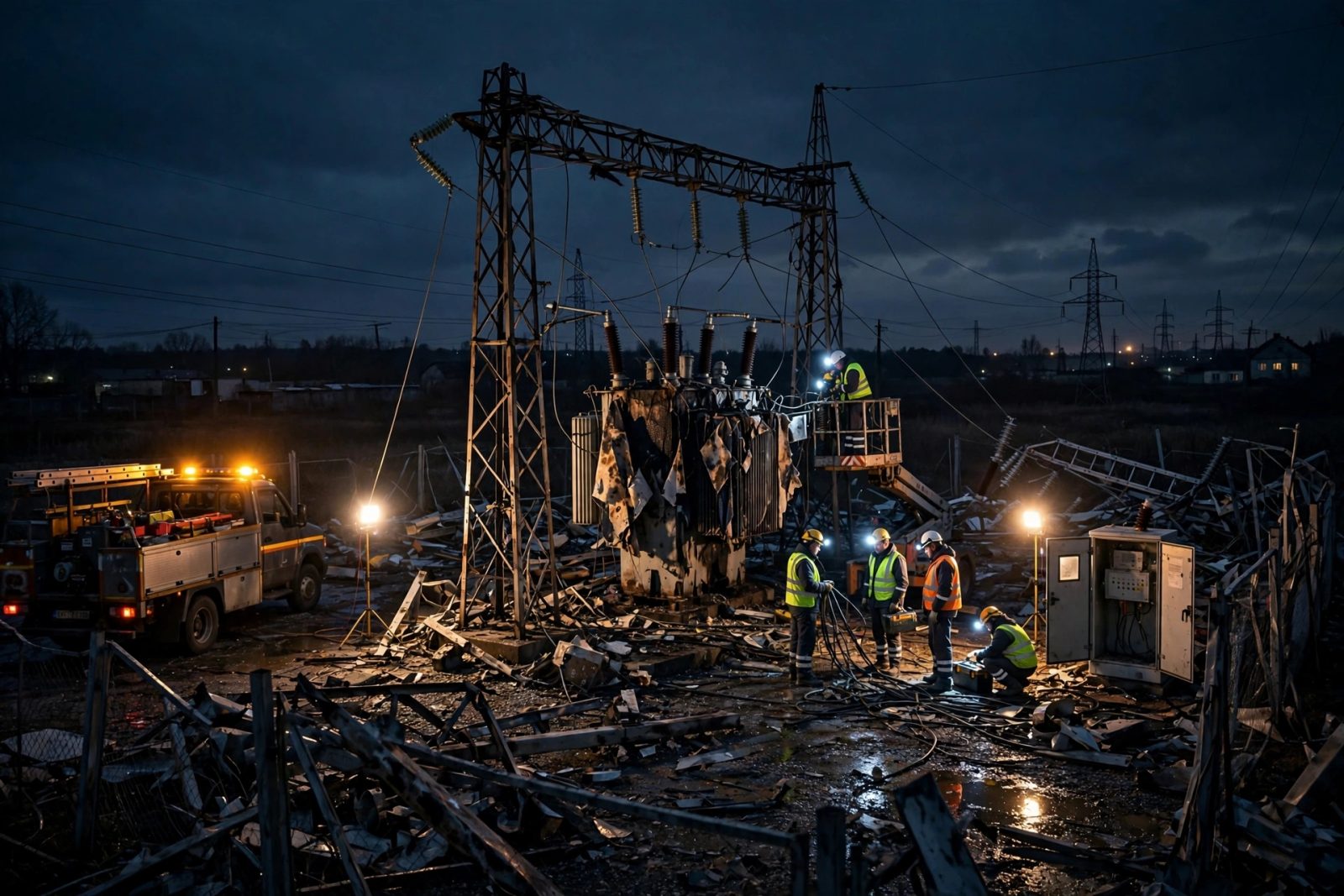
Zelensky said overnight attacks damaged electrical substations in Vinnytsia, Zhytomyr, Khmelnytskyi and Odesa regions. These facilities play an important role in transmitting electricity and maintaining the stability of the national power network.
Damage to substations can disrupt electricity distribution even when power generation facilities remain operational. Depending on the extent of the damage, repairs may require specialized equipment and technical crews working under difficult conditions.
According to the Ukrainian account, tens of thousands of people were left without electricity following the latest strikes. Power interruptions can affect households, hospitals, businesses, water systems and other essential services. Residents may also face additional difficulties when electricity disruptions affect heating, communications and transport infrastructure.
The full extent of the damage, the duration of the outages and the time required to restore normal electricity supplies were not specified in the information provided.
THOUSANDS OF AERIAL ATTACKS REPORTED OVER ONE WEEK
Zelensky also cited figures describing the scale of Russian aerial attacks during the previous week. According to his statement, Russia launched approximately 2,700 drones, 1,700 aerial bombs and 66 missiles against Ukraine.
These figures represent a substantial volume of reported aerial activity and illustrate the continuing pressure on Ukrainian air defenses. However, the statement did not specify how many of the reported weapons reached their intended targets, how many were intercepted or how the totals were independently calculated.
Ukraine has repeatedly relied on air defense systems to protect major cities, infrastructure and military positions from missile and drone attacks. Intercepting incoming weapons can reduce damage, but large numbers of aerial threats can strain defensive resources and complicate efforts to protect civilian areas.
The latest allegations also highlight the challenge of maintaining energy infrastructure during an active conflict. Even when damaged facilities can be repaired, repeated attacks may prevent engineers from completing long-term restoration work and can force energy companies to redirect resources toward emergency repairs.
CASUALTIES REPORTED IN THE LATEST ACCOUNT
The information supplied alongside Zelensky’s statement reported two deaths and 12 injuries, including two children, during the period described. The available details do not identify all the victims or establish which individual attacks caused each casualty.
Civilian casualties remain a major concern in the conflict, particularly when attacks affect populated areas or infrastructure on which communities depend. Emergency services may face difficult conditions when responding to strikes, including damaged roads, power outages and the risk of further attacks.
The reported figures should be treated as provisional until confirmed by reliable official updates. Casualty totals can change as rescue operations continue and injured people receive medical treatment.
ZELENSKY CALLS FOR STRONGER INTERNATIONAL PRESSURE
In comments included in the supplied statement, Zelensky said Russia was attempting to cause a nationwide blackout. He argued that Moscow must face greater pressure if there is to be a meaningful chance for peace.
The Ukrainian president’s remarks reflect Kyiv’s position that attacks on energy infrastructure undermine efforts to reduce hostilities and protect civilians. His appeal also places renewed emphasis on the role of international partners in supporting Ukraine’s security and encouraging compliance with any ceasefire commitments.
Ukraine has repeatedly called for stronger diplomatic and economic measures against Russia, while seeking continued assistance to strengthen its air defenses and protect critical infrastructure. The latest allegations are likely to intensify debate over how ceasefire arrangements can be monitored and enforced.
Russia’s response to these specific accusations was not included in the information provided. The reported number of violations and the circumstances surrounding each attack therefore require further verification and consideration of additional official statements.
WHY ENERGY INFRASTRUCTURE MATTERS
Electricity and energy supplies are fundamental to daily life and the functioning of modern economies. Attacks on power substations, oil facilities and gas infrastructure can have consequences beyond the immediate damage, affecting hospitals, schools, industrial production and essential public services.
During winter or periods of extreme weather, prolonged power outages can become particularly dangerous for vulnerable residents. Reliable electricity is also necessary for communications networks, water distribution and emergency response operations.
For Ukraine, protecting energy facilities has become an important part of national resilience. Engineers, utility workers and emergency crews must repair damaged equipment while preparing for the possibility of additional strikes.
CEASEFIRE CLAIMS UNDER SCRUTINY
The central issue remains whether the reported attacks violated the terms and scope of the announced energy ceasefire. That determination depends on the exact commitments agreed by the parties, the timing and nature of each incident, and evidence establishing responsibility.
The figures presented by Zelensky offer Ukraine’s account of the situation, but a complete assessment requires corroboration from credible independent reporting and relevant official records. Further details about the ceasefire’s terms, monitoring arrangements and any response from Russia would help clarify the allegations.
For now, Ukraine says its energy infrastructure has come under repeated attack despite the ceasefire announcement, leaving communities facing electricity disruptions and renewed security concerns. The reported strikes underline the difficulty of protecting civilian infrastructure while the war continues.
Reporter