

Trump Says Zelensky Is Harder Than Putin After Ukraine's Russian Refinery Strike
Trump criticized Ukraine’s strike on a Russian refinery, calling it a “disgrace” and describing Zelensky as harder to negotiate with.

CSB News USA
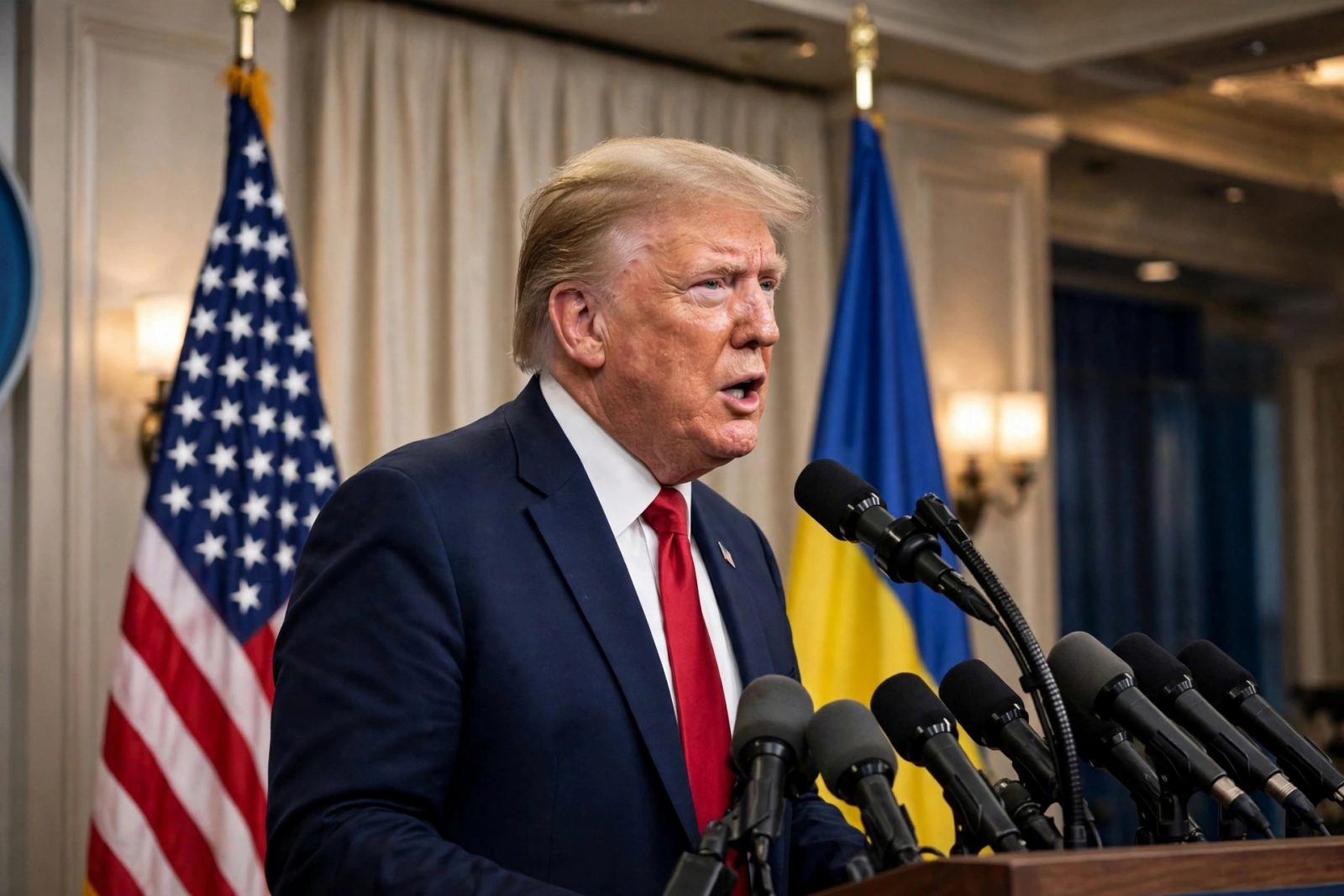
WASHINGTON, October 16, 2026 — U.S. President Donald Trump has sharply criticized Ukrainian President Volodymyr Zelensky following Ukraine’s renewed strikes on Russian oil infrastructure, describing the attacks as “a disgrace” and saying that Zelensky is more difficult to negotiate with than Russian President Vladimir Putin.
Trump made the remarks during an interview with Newsmax as tensions surrounding a proposed energy ceasefire between Russia and Ukraine intensified. His comments highlight continuing disagreements over the strategy for ending the war, the targeting of energy infrastructure, and the potential consequences for global fuel markets.
Trump Criticizes Ukraine's Refinery Strikes
During the interview, Trump objected to Ukraine’s decision to resume attacks on Russian oil refineries, arguing that the strikes could contribute to higher international oil prices.
“If you tell me that Zelensky is again shooting at refineries, all he's doing is making the world oil price higher. Well, I think that's a disgrace,” Trump said, according to reports of the interview.
Trump also argued that Ukraine could pursue other targets rather than facilities involved in producing diesel fuel. He said damage to such infrastructure could affect supplies needed by the United States and other countries.
The comments followed a reported Ukrainian drone strike on the Ryazan oil refinery in Russia, a major facility located southeast of Moscow. Russian sources reported a fire and visible damage after the attack, although the full extent of the impact was not immediately clear.
Oil refineries are important components of Russia’s fuel-processing network. Attacks on these facilities have become part of Ukraine’s broader campaign against infrastructure supporting Russia’s war effort.
Kyiv has repeatedly argued that striking Russian military-related and energy infrastructure can undermine Moscow’s ability to sustain its invasion. Russia, meanwhile, has continued attacks on Ukrainian cities and energy facilities.
Zelensky Described as More Difficult Than Putin
Trump’s criticism extended beyond the refinery attack to his assessment of the Ukrainian president as a negotiating partner.
“I’m not a big fan of Zelensky,” Trump said during the Newsmax interview. He added that he found Zelensky “more difficult to deal with than Putin.”
Trump suggested that the hostility between the Russian and Ukrainian leaders makes negotiations especially challenging. He said that although both leaders might want the conflict to end, their mutual distrust complicates efforts to reach an agreement.
The remarks represent a significant public criticism of a leader whose country has relied heavily on international support during Russia’s full-scale invasion.
They also underscore the challenges facing U.S.-led diplomatic efforts. Washington has sought to encourage negotiations, but the two sides continue to disagree over security guarantees, territorial issues, military operations, and the conditions required for a lasting settlement.
Trump’s characterization reflects his own assessment of the negotiations and does not establish that either leader is objectively more willing to reach peace.
Dispute Over the Energy Ceasefire
The refinery strike occurred amid disagreement over an energy ceasefire Trump announced earlier in October.
Trump had described Russia and Ukraine as having agreed to halt attacks on energy infrastructure. However, the arrangement was not formally confirmed by both governments in the same terms.
Zelensky indicated that Ukraine was prepared to stop strikes against Russian energy facilities if Russia also halted attacks on Ukrainian energy infrastructure.
Kyiv subsequently argued that continued Russian attacks undermined the proposed arrangement and justified its decision to resume operations against Russian targets.
This disagreement has created competing accounts of responsibility for the breakdown in the temporary pause. While Trump criticized Ukraine’s renewed refinery strikes, Ukrainian officials have pointed to Russia’s continuing attacks on their country's power and energy systems.
The distinction is important because an announced ceasefire, a proposed arrangement, and a mutually accepted agreement are not necessarily the same thing.
Potential Impact on Global Energy Markets
The dispute has also drawn attention to the relationship between the war and global energy prices.
Russia remains a significant producer and exporter of energy products, while refinery operations affect the availability of fuels such as diesel. Damage to processing facilities can disrupt regional supplies and influence market expectations, depending on the scale of the damage and the availability of alternative sources.
Trump argued that attacks on Russian refineries could place upward pressure on oil prices. However, global prices are influenced by multiple factors, including production levels, demand, sanctions, transportation disruptions, and geopolitical risks.
The precise effect of the Ryazan strike on international prices cannot be established from the reported incident alone.
What Happens Next?
The latest exchange adds another complication to diplomatic efforts aimed at ending the war. Washington faces the challenge of maintaining negotiations while Russia and Ukraine continue military operations and disagree over the terms of any ceasefire.
Further developments will depend on whether the two governments can establish mutually accepted conditions for suspending attacks on energy infrastructure and whether those conditions can be monitored and enforced.
For Ukraine, the central concerns include protecting its territory, maintaining access to international assistance, and preventing further Russian attacks. For Russia, the conflict continues alongside efforts to protect strategic infrastructure and sustain military operations.
Trump’s latest remarks signal continued frustration with Zelensky’s approach to negotiations, but they do not, by themselves, establish a change in U.S. policy or determine the future of American support for Ukraine.
The situation remains fluid, with military developments, diplomatic contacts, and energy-market reactions likely to shape the next phase of the dispute.
CSB News USA will continue monitoring verified developments from Washington, Kyiv, and Moscow as more information becomes available.
Reporter
CSB News USA
Related News

Oregon School Shooting: Reports Highlight Heroic Efforts to Protect Students During Deadly Attack

FBI Most Wanted Fugitive Arrested in India Over $600,000 Food Stamp Fraud Allegations

Oregon School Shooting Leaves Three Children Dead at Elementary School | CSB News USA