Trump Halts New Russia Sanctions, Raising Global Concerns Over Oil Markets and Ukraine War
President Donald Trump has waived key new Russia-related sanctions and tariffs, citing American national interests as energy prices and geopolitical tensions intensify.

CSB News USA
CSB News USA
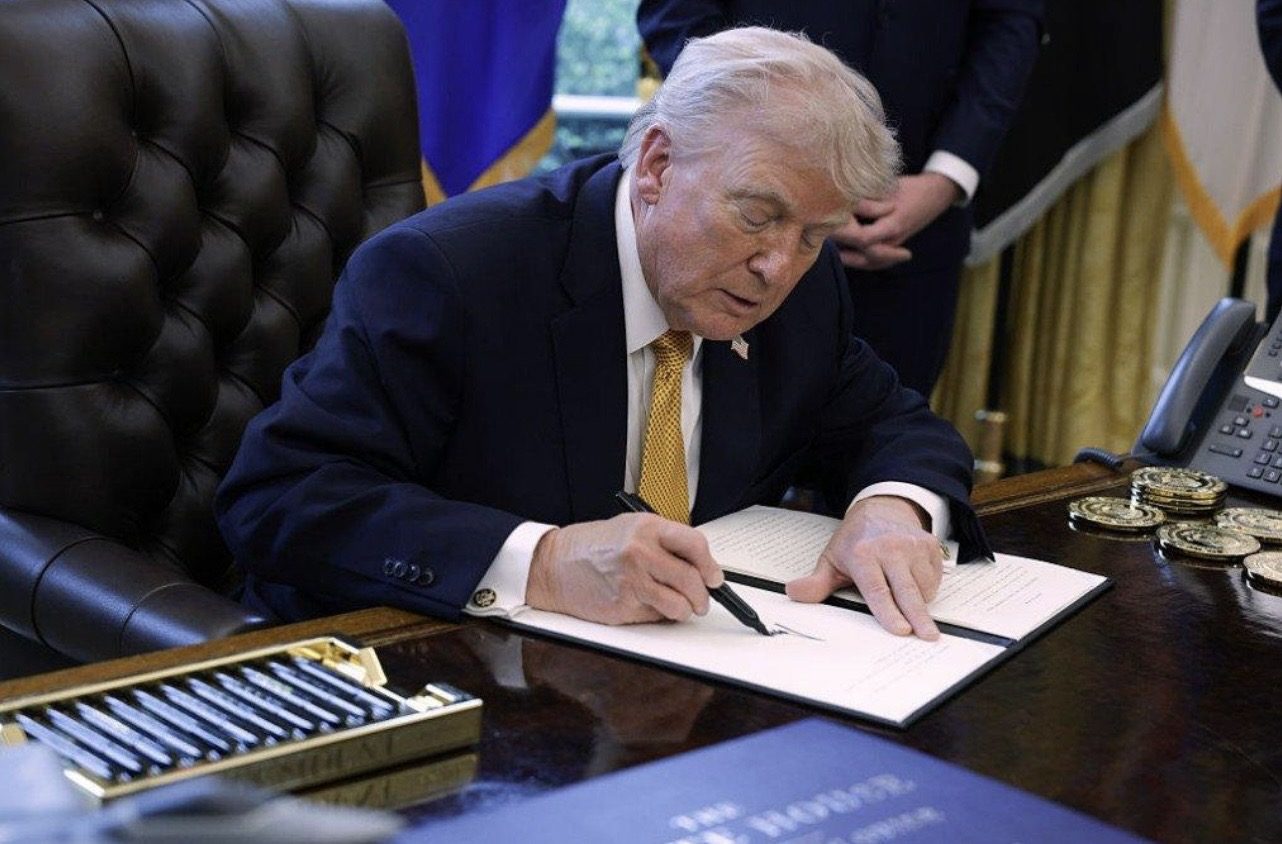
US President Donald Trump has waived key provisions of a newly enacted Russia sanctions law, preventing a series of planned restrictions and tariffs from taking effect as scheduled and raising fresh questions about Washington’s strategy toward Moscow.
Trump signed an executive order on October 16, 2026, invoking a national-interest provision in the Lindsey O. Graham Sanctioning Russia and Iran Act of 2026. The decision came just two days before the new measures were due to take effect on October 18. The White House published the order, confirming that the president had waived several sanctions, restrictions and tariff provisions under the legislation.
The move represents a significant change in the immediate implementation of a law designed to increase economic pressure on Russia over its continuing war against Ukraine. However, the decision does not amount to the cancellation of every US sanction against Moscow. Existing restrictions imposed under earlier executive orders remain in place unless separately amended or lifted.
The legislation, signed by Trump on September 18, was named after the late Republican Senator Lindsey Graham, a prominent supporter of tougher measures against Russia. Democratic Senator Richard Blumenthal also helped draft the measure. The bill received bipartisan backing in Congress, reflecting continuing concerns among lawmakers about Russian military operations in Ukraine and the revenue supporting Moscow’s war effort.
Under the law, the administration was preparing to impose additional restrictions on Russian officials, financial institutions and vessels associated with the transportation of Russian energy products. It also provided for tariffs of up to 100 percent on goods from major importers of Russian crude oil and natural gas, subject to statutory exceptions. Countries identified as helping Russia evade sanctions could also face additional trade penalties.
The legislation was intended to make it more costly for Russia to sustain its military campaign by targeting both the country’s economic networks and foreign markets that purchase its energy exports. By waiving the relevant provisions before their scheduled implementation, Trump has reduced the immediate likelihood that the new penalties will be applied as originally envisaged.
In the executive order, Trump said the waiver was in the national interests of the United States and confirmed that the required certification had been submitted to Congress. The law gives the president authority to waive specified measures after providing Congress with a certification and an explanatory report. The order states that the waivers will remain effective until the president or designated senior officials determine that further action is appropriate.
The White House did not provide a detailed public explanation of the decision’s national-security and economic calculations in the order itself. The administration’s move comes amid concern over energy prices and a recent arrangement involving Russian diesel supplies, which Trump has presented as a way to increase available supplies and ease fuel costs.
Trump said the United States had reached an agreement for Russia to supply diesel for American and global markets. Reports described an initial shipment of more than 300,000 metric tons, followed by further deliveries planned for subsequent periods. The proposed arrangement has drawn criticism from lawmakers and Ukraine supporters who argue that renewed energy trade could provide Moscow with additional revenue while the war continues.
The timing has also heightened political sensitivity in Washington. The United States is approaching its November 3 midterm elections, and fuel prices remain an important economic and political issue. Any policy expected to affect energy supplies, import costs or consumer prices is likely to receive heightened scrutiny as candidates campaign across the country.
Criticism of the waiver emerged from Democratic lawmakers, who argued that the administration was weakening legislation passed by Congress. Senator Blumenthal said the decision disregarded the intent of lawmakers and American allies. Representative Don Beyer also criticised the move, arguing that the administration should preserve pressure on Russia and maintain support for Ukraine.
The decision has also raised questions about coordination between Washington and its European partners. Several Western governments have supported sanctions intended to limit Russian revenue and increase the cost of continuing the invasion of Ukraine. A more flexible US approach could complicate efforts to maintain a consistent international sanctions strategy, although the extent of any practical impact will depend on how the administration applies the remaining restrictions.
Countries that purchase substantial quantities of Russian energy, including China and India, have closely followed Washington’s sanctions policy because additional tariffs could affect trade, energy costs and diplomatic relations. The waiver removes the immediate threat posed by the specific provisions suspended in the order, but it does not guarantee that all future trade with Russia will remain free from US penalties.
Russian officials and Kremlin-linked figures have welcomed the possibility of wider economic engagement with the United States. Moscow has long argued that sanctions harm international commerce, while Ukraine and its supporters maintain that restricting Russian energy revenue is an important way to constrain the Kremlin’s ability to finance the war.
The broader consequences of Trump’s decision remain uncertain. The waiver gives the administration greater flexibility to decide when and how to apply the relevant provisions, while leaving open the possibility of further action if circumstances change. US officials are also expected to monitor Russian energy purchases and potential sanctions evasion by third countries under the executive order.
For Ukraine, the key concern is whether reduced economic pressure could strengthen Russia’s ability to continue its military campaign. For energy-importing countries, the immediate question is whether the decision will improve supply conditions or reduce prices. Neither outcome can be guaranteed solely by the waiver, because fuel markets also respond to geopolitical risks, transport costs, production levels and broader global demand.
The central fact is clear: Trump has suspended the application of major provisions of the new Russia sanctions law, citing US national interests, just before their scheduled implementation. The measure does not erase the existing sanctions framework, but it marks a consequential shift in how the administration intends to use its newly enacted authority. Its long-term effects on Russia, Ukraine, international trade and global energy prices will depend on what Washington does next.
Related News
Trump Says Zelensky Is Harder Than Putin After Ukraine's Russian Refinery Strike

Oregon School Shooting: Reports Highlight Heroic Efforts to Protect Students During Deadly Attack

FBI Most Wanted Fugitive Arrested in India Over $600,000 Food Stamp Fraud Allegations