U.S. to Withdraw 5,000 Troops from Germany Amid Rising Tensions with Berlin
This is not the first time troop withdrawals from Germany have been proposed. In 2020, Trump ordered the removal of roughly 12,000 troops, but the plan faced bipartisan opposition in Congress and was ultimately halted after Joe Biden assumed office.

U.S. to Withdraw 5,000 Troops from Germany Amid Rising Tensions with Berlin
The United States Department of Defense (Pentagon) has confirmed plans to withdraw approximately 5,000 American troops from Germany, marking a significant shift in U.S. military posture in Europe amid escalating political tensions with Berlin.
According to Pentagon spokesperson Sean Parnell, the decision was made following a comprehensive review of U.S. force deployment across Europe.
“The Secretary of War has ordered the withdrawal of approximately 5,000 troops from Germany,” Parnell stated.
“This decision reflects current operational requirements and conditions on the ground. We expect the withdrawal to be completed within six to twelve months.”
Strategic Importance of Germany
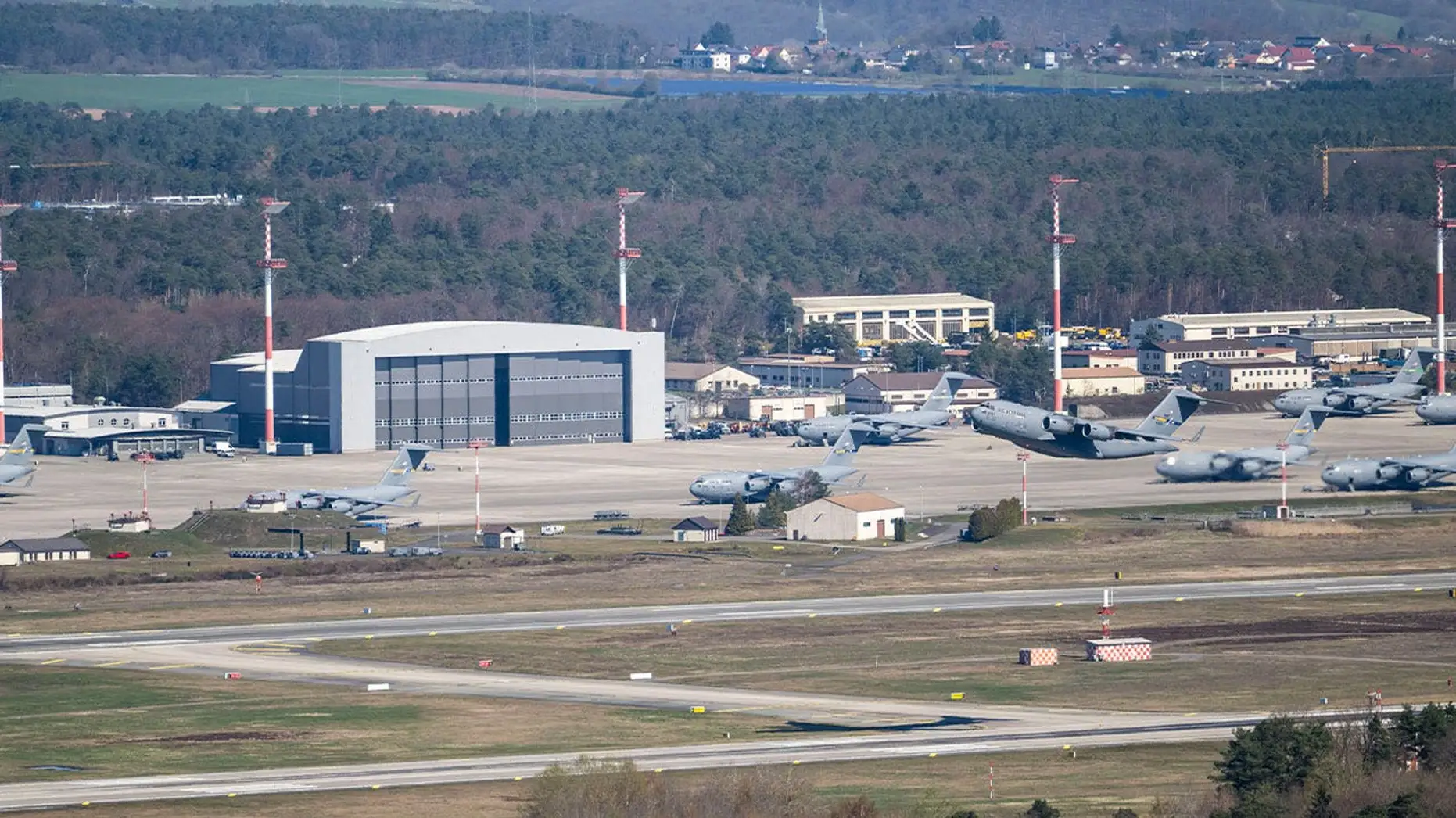
Germany currently hosts around 38,000 U.S. troops, making it one of the largest American military presences outside the United States. Key installations such as Ramstein Air Base serve as critical logistics hubs and command centers for operations in Europe and the Middle East.
The headquarters of U.S. European Command (EUCOM) is also based in Germany, underscoring the country’s strategic significance.
Political Tensions Driving the Move
The troop withdrawal comes against the backdrop of growing tensions between U.S. President Donald Trump and German Chancellor Friedrich Merz.
The dispute intensified following disagreements over Iran, NATO commitments, defense spending, and trade policies.
Chancellor Merz recently criticized Washington’s handling of Iran, stating that the U.S. was being “humiliated by Iranian leadership” and expressing hope for a swift resolution to the conflict.
In response, President Trump sharply rebuked Merz, particularly over comments related to Iran’s nuclear ambitions.
“He doesn’t know what he’s talking about,” Trump wrote, accusing the German leader of being soft on Iran’s nuclear threat.
Historical Context
This is not the first time troop withdrawals from Germany have been proposed. In 2020, Trump ordered the removal of roughly 12,000 troops, but the plan faced bipartisan opposition in Congress and was ultimately halted after Joe Biden assumed office.
What Comes Next?
The Pentagon stated that the withdrawal will be implemented gradually over the next six to twelve months. Analysts believe the move could reshape NATO dynamics and raise concerns among European allies about U.S. commitment to regional security.