Iran warns of “long and painful strikes” on U.S. positions
Tensions between the United States and Iran are rapidly escalating, with military threats, diplomatic maneuvering, and strategic naval actions unfolding simultaneously. As the situation intensifies, global attention is fixed on whether conflict or negotiation will define the next phase.

Iran warns of “long and painful strikes” on U.S. positions
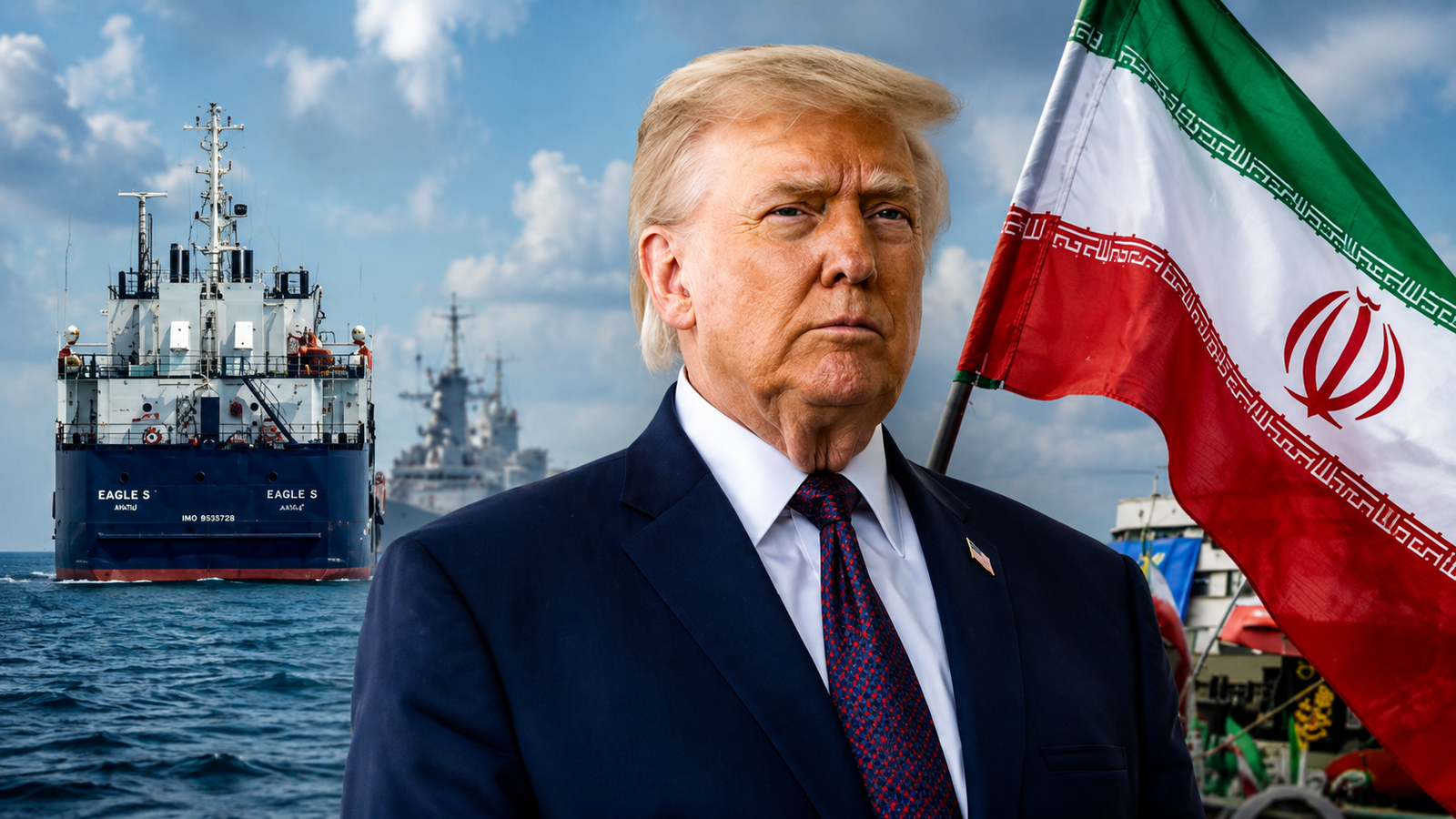
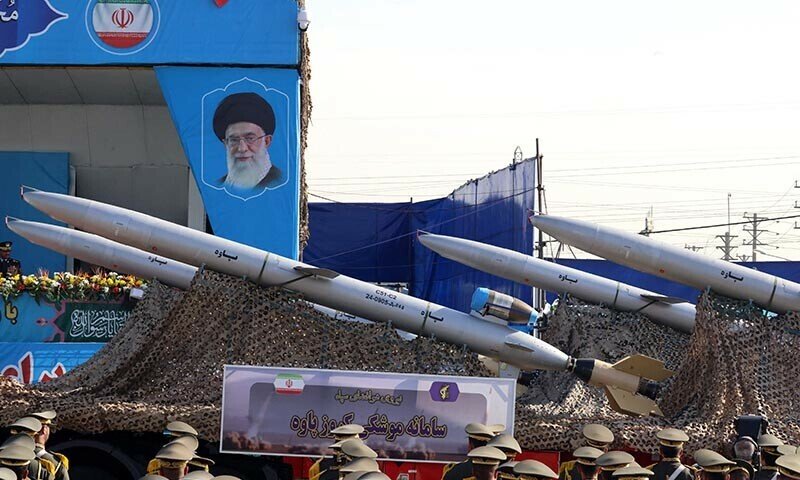
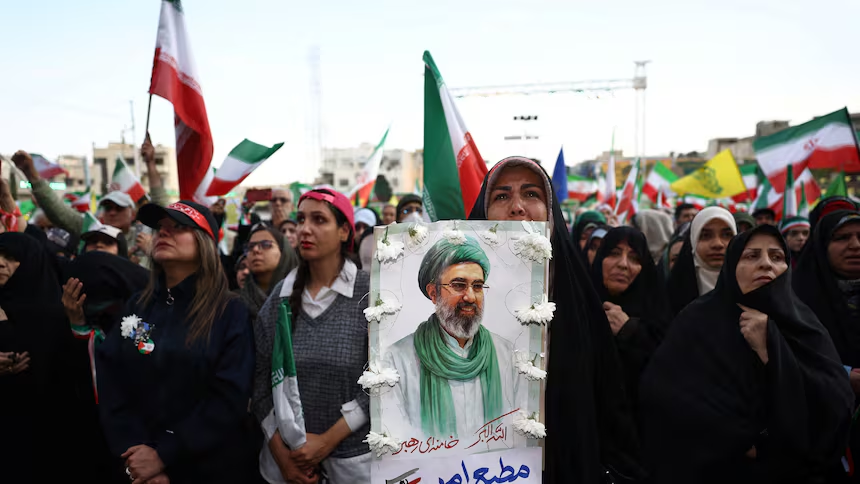
Tensions in the Middle East have escalated significantly after Iran’s powerful military force, the Islamic Revolutionary Guard Corps (IRGC), issued a strong warning to the United States. A senior official stated that any new U.S. military action against Tehran would be met with “long and painful strikes” targeting American positions across the region.
Amid rising tensions, President Donald Trump is facing a critical legal deadline under the War Powers Resolution. The 60-day period requires the president to either seek congressional authorization or terminate military operations involving Iran, with the deadline set for Friday.
Diplomatic efforts are also underway. Iranian state media reported that Tehran has delivered a new negotiation proposal to Pakistan as part of efforts to end the conflict with Washington. Iran’s foreign ministry spokesperson, Esmail Baghaei, stated in a televised interview that ending the war and achieving lasting peace remains Tehran’s primary objective.
Responding to these developments, White House spokeswoman Anna Kelly reaffirmed that the U.S. position remains unchanged, emphasizing that Iran will not be allowed to obtain nuclear weapons. She declined to provide details regarding private diplomatic communications.
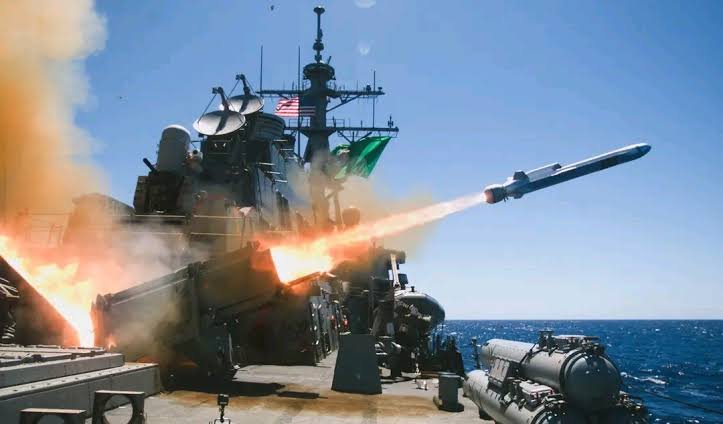
On the military front, the United States Central Command (CENTCOM) confirmed that 45 commercial vessels have been instructed to turn back or return to port in order to comply with an ongoing naval blockade targeting Iranian ports. U.S. forces continue to patrol international waters to enforce the blockade.
In addition, the United States Navy has signed a $100 million contract with Domino Data Lab to deploy advanced artificial intelligence technology for detecting underwater mines in the strategically vital Strait of Hormuz. The initiative aims to enhance speed and accuracy in mine detection while reducing risks to naval personnel.
Analysts suggest that with both military escalation and diplomatic engagement occurring simultaneously, the situation remains highly volatile and could evolve rapidly in the coming days.