Trump pauses attack plans, Pakistan mediation falters, and global oil markets react to rising tensions
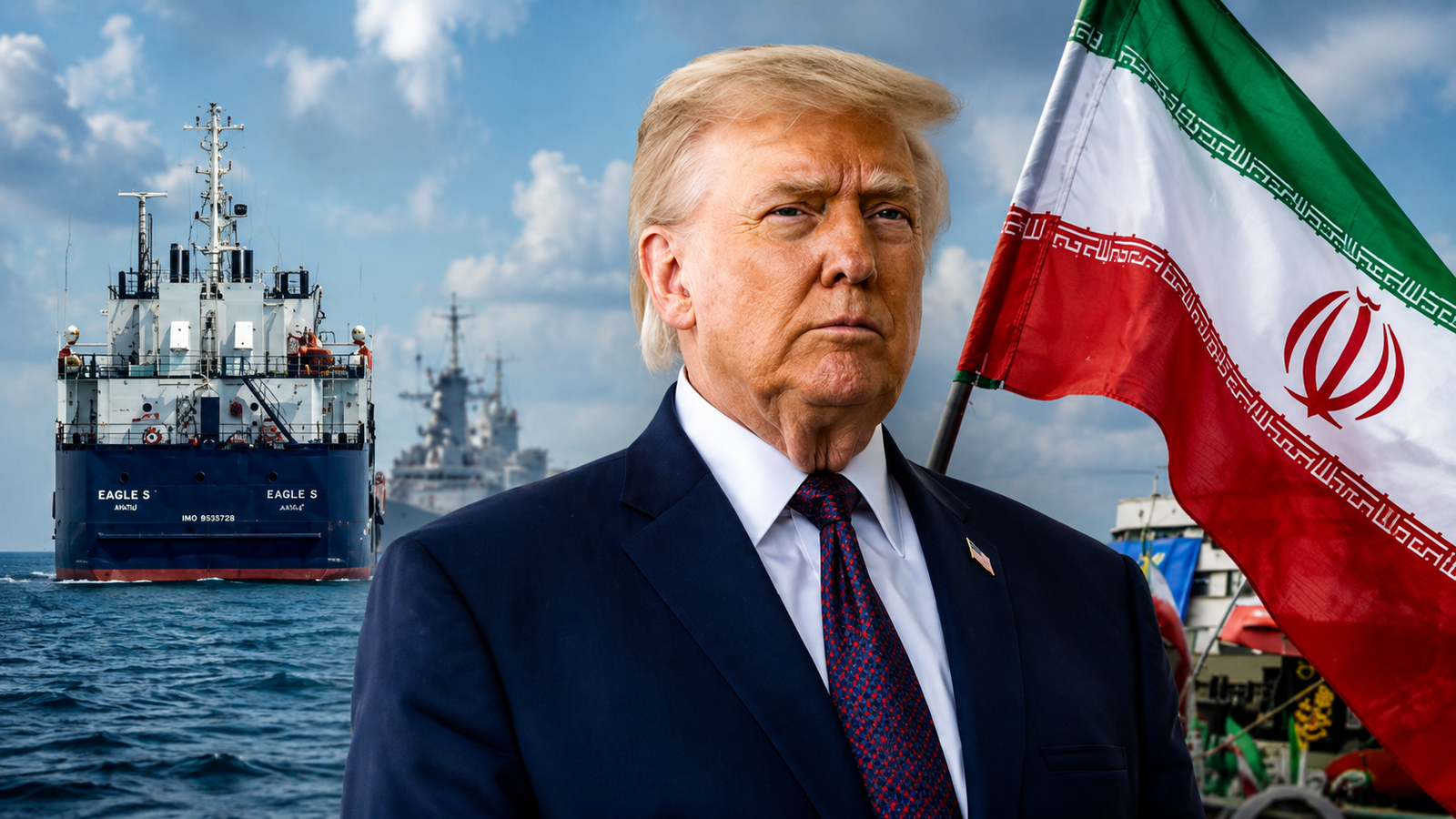
Tensions in the Middle East are escalating rapidly around the Strait of Hormuz, as Iran seizes two commercial vessels and signals a firm stance. While U.S. President Donald Trump has paused planned military strikes, diplomatic efforts remain stalled. With mediation by Pakistan failing to produce results, uncertainty is growing—alongside rising concerns in global energy markets.

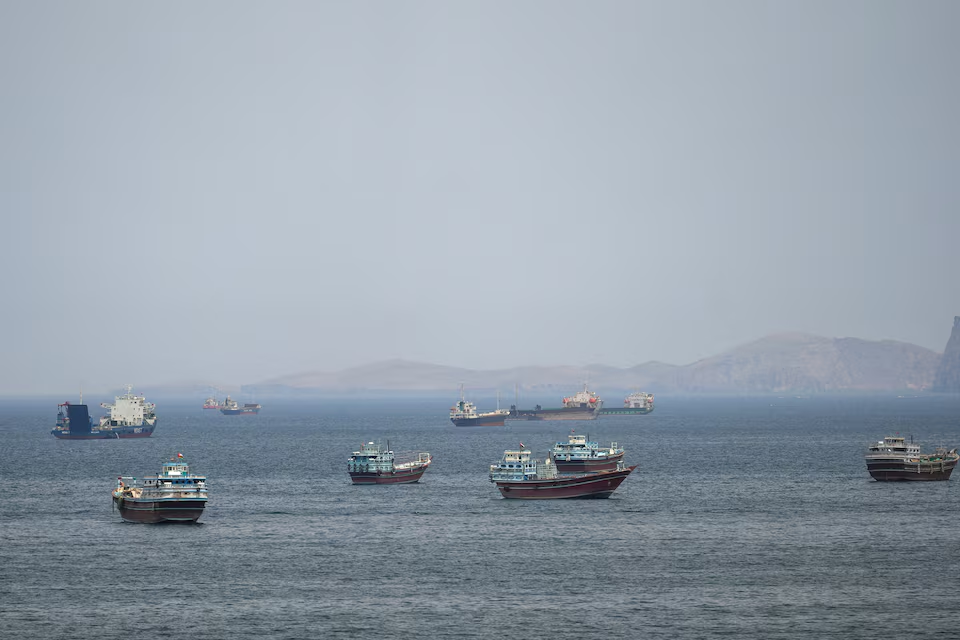
Trump pauses attack plans, Pakistan mediation falters, and global oil markets react to rising tensions
Tensions in the Middle East have escalated sharply after Iran seized two commercial vessels in the strategic Strait of Hormuz on Wednesday. The move comes as U.S. President Donald Trump announced a temporary halt to planned military strikes, while prospects for renewed peace talks remain uncertain.
Iran Seizes Ships in Strategic Waterway
Iran’s Islamic Revolutionary Guard Corps (IRGC) confirmed the seizure of two vessels, citing “maritime violations” and manipulation of navigation systems. The ships—Panama-flagged MSC Francesca and Liberia-flagged Epaminondas—were escorted to Iranian waters.
The IRGC warned that any disruption to security in the Strait of Hormuz would be treated as a “red line.”
This marks the first such seizure since the conflict began in late February, raising concerns over global trade and energy supply routes.
U.S. Naval Blockade Remains in Place
Despite announcing a pause in military action, Trump confirmed that the U.S. naval blockade of Iranian maritime trade continues. Iran has labeled the blockade an “act of war” and insists it will not reopen the Strait of Hormuz as long as the blockade remains.
The ongoing standoff has already impacted global energy markets. Brent crude oil prices rose by approximately 2.5%, reaching around $101 per barrel.
Iran Showcases Military Strength
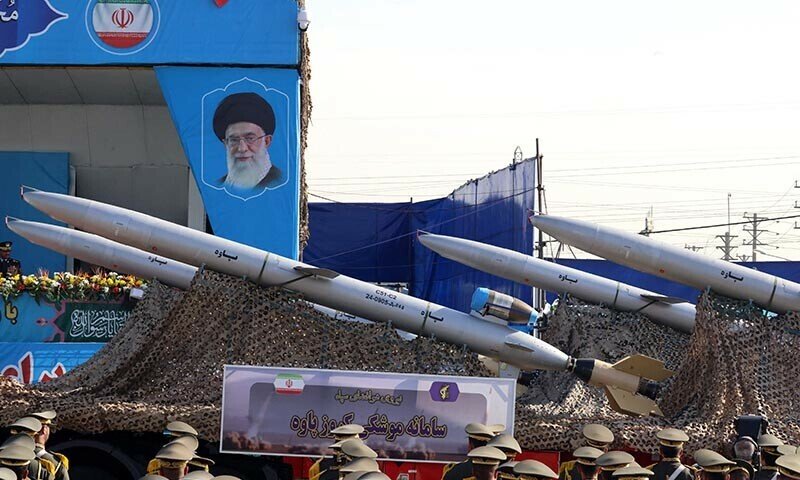
In a show of defiance, Iran displayed its ballistic missile capabilities during a military parade in Tehran. State media showed large crowds waving flags, alongside banners declaring:
“Indefinitely under Iran’s control” and
“Trump could not do a damn thing” — referring to the Strait of Hormuz.
Pakistan Mediation Faces Setback
Pakistan has been actively mediating between Washington and Tehran, but the latest round of talks failed to materialize. Officials say preparations were complete, but both sides ultimately did not attend.
A Pakistani official noted that Iran had shown willingness to participate and remains open to negotiations, despite the setback.
Maritime Attacks Raise Alarm
The Epaminondas reportedly came under fire about 20 nautical miles off the coast of Oman, sustaining damage to its bridge. No casualties were reported.
Another Liberia-flagged container ship was also fired upon in the same المنطقة but was not damaged and continued its journey.
Major Differences Block Progress
Key disagreements continue to stall diplomacy:
- The United States demands Iran halt high-level uranium enrichment to prevent nuclear weapon development.
-
Iran insists its nuclear program is peaceful and demands:
- An end to the war
- Lifting of sanctions
- Compensation for damages
- Recognition of its control over the Strait of Hormuz
These opposing positions have made a breakthrough unlikely in the short term.
Rising Tensions in Lebanon
Meanwhile, violence has escalated in southern Lebanon, where Israeli strikes reportedly killed two people. In response, Hezbollah launched a drone attack on Israeli forces.
This threatens the fragile ceasefire between Israel and the Iran-backed group—an important precondition for broader U.S.-Iran negotiations.
Analysis: A Region on the Brink
The situation remains highly volatile:
- Iran is asserting control over a critical global shipping route
- The U.S. maintains military and economic pressure
- Diplomatic efforts are stalled
- Global oil prices are rising
Analysts warn that without immediate diplomatic progress, the crisis could spiral into a wider regional conflict with serious consequences for the global economy.