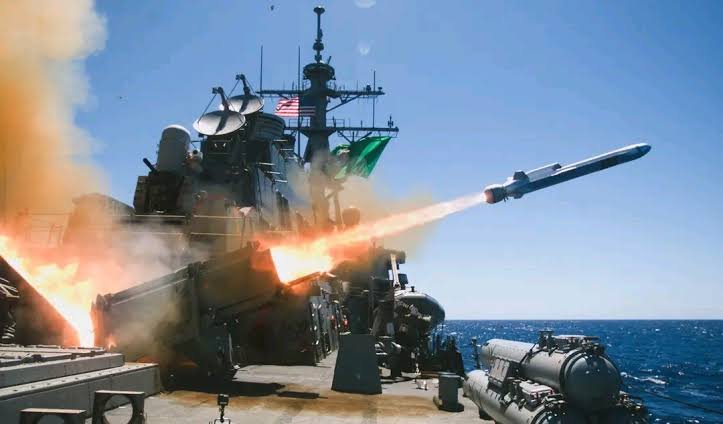
Iran War Triggers Biggest Surge in Global Energy Inflation in 25 Years
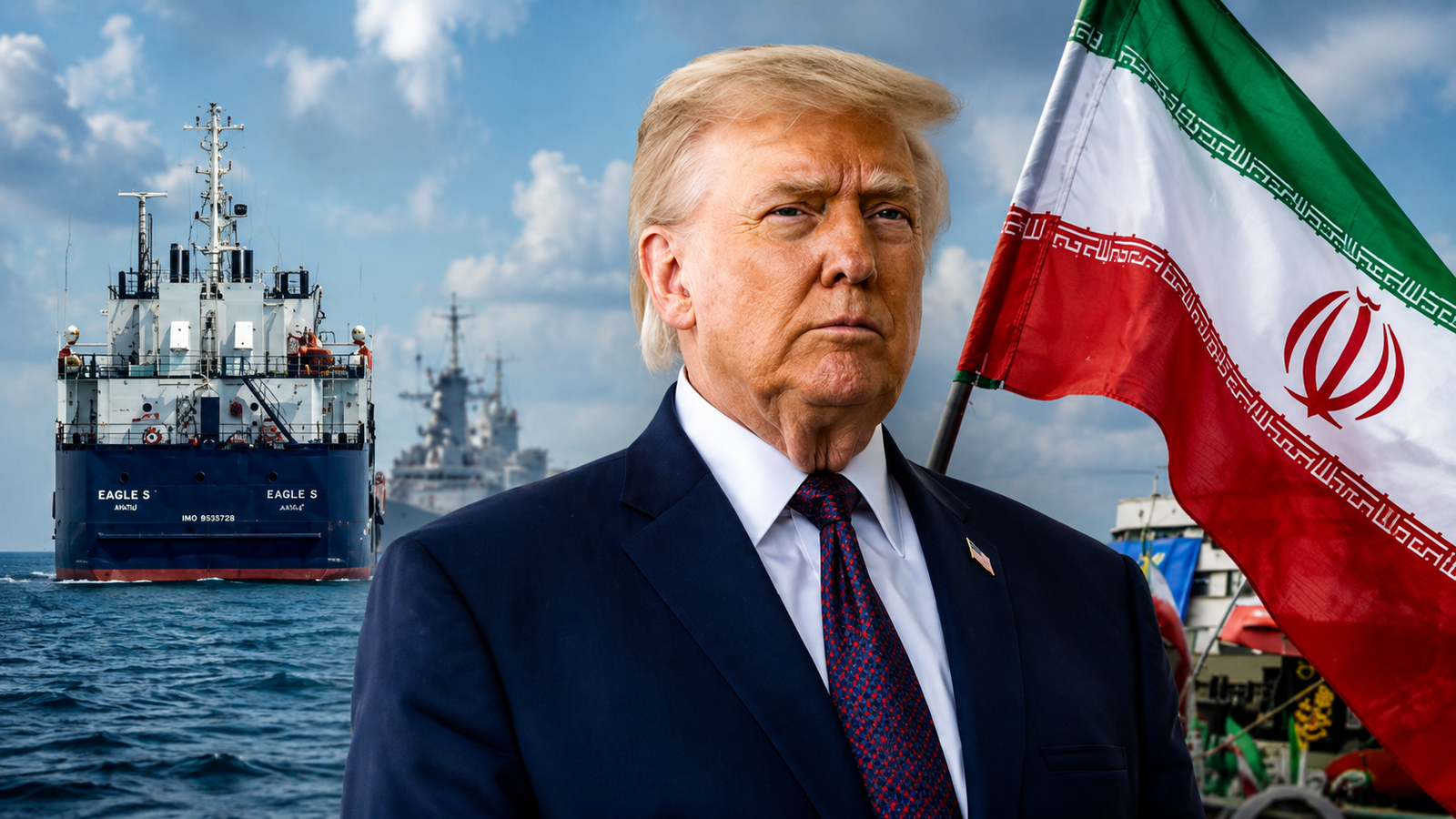
The ongoing Iran war has triggered a severe shock to the global economy, with the most immediate and dramatic impact seen in the energy sector. According to a coverage, the conflict has caused the largest surge in global energy inflation in at least 25 years, surpassing even the spike recorded during the Russia–Ukraine war

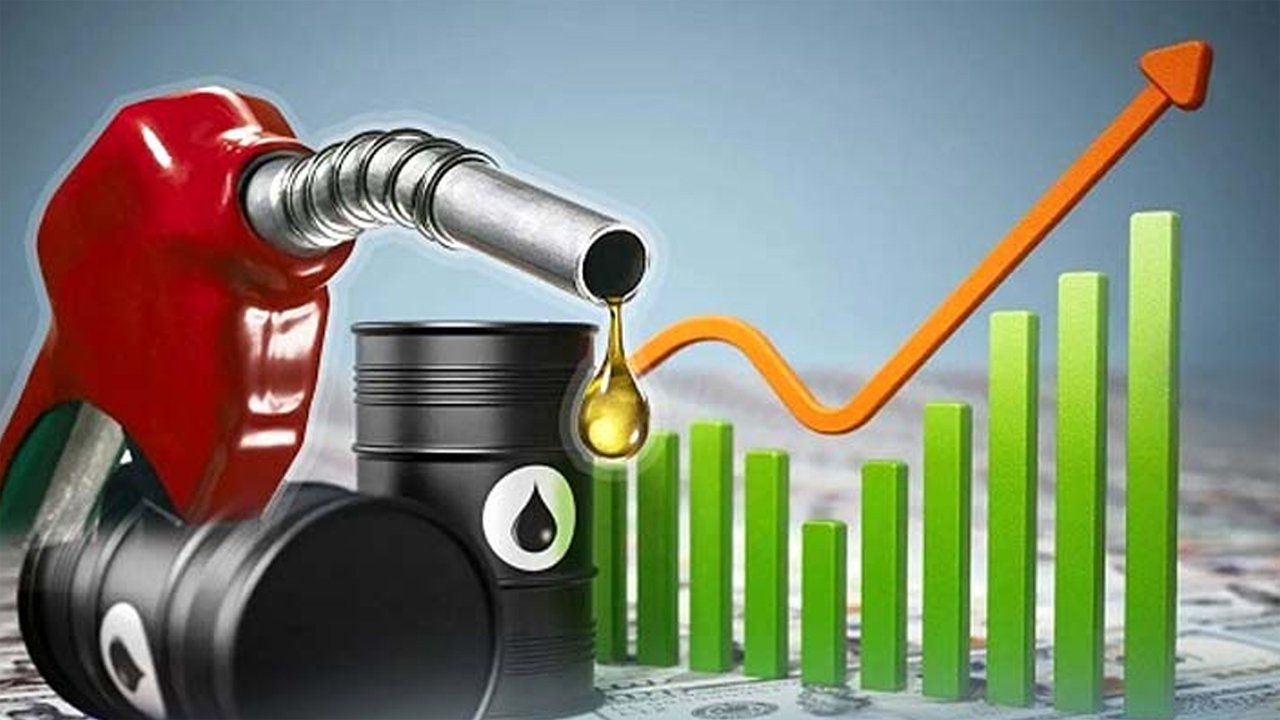
Iran War Triggers Biggest Surge in Global Energy Inflation in 25 Years
The ongoing Iran war has triggered a severe shock to the global economy, with the most immediate and dramatic impact seen in the energy sector. According to a coverage, the conflict has caused the largest surge in global energy inflation in at least 25 years, surpassing even the spike recorded during the Russia–Ukraine war.
In March 2026, global energy prices rose sharply, with average energy inflation across major economies increasing by around 5.5%, marking the steepest jump in a quarter-century. This surge highlights how the Iran conflict has rapidly evolved into a global economic crisis rather than a localized geopolitical issue.
Key Drivers Behind the Surge
1. Disruption in the Strait of Hormuz
One of the most critical factors is the disruption of shipping through the Strait of Hormuz, a vital global energy chokepoint. Roughly 20% of the world’s oil and gas supply passes through this route. Any blockade or instability immediately tightens global supply.
2. Major Supply Shock
Attacks on infrastructure and transport routes have significantly reduced oil output and distribution. At one point, an estimated 10 million barrels per day of oil supply was disrupted, creating a major imbalance in the market.
3. Sharp Rise in Oil Prices
Benchmark Brent crude prices surged dramatically—from around $60 per barrel to $110–$120 within a short period. This rapid increase has directly fueled inflation worldwide.
Global Economic Impact
1. Slower Economic Growth
Financial institutions and policymakers warn that global growth forecasts are being revised downward. Investor confidence has weakened amid ongoing uncertainty.
2. Broader Inflationary Pressure
Higher energy prices increase costs across multiple sectors—transportation, manufacturing, and food production—leading to widespread inflation.
3. Demand Destruction Risk
As prices rise, demand for oil may fall, echoing patterns seen during previous global crises such as the COVID-19 pandemic.
4. Greater Risk for Developing Economies
Import-dependent countries, including Bangladesh, face the greatest pressure as fuel import bills surge, straining foreign reserves and fiscal stability.
Market and Corporate Reactions
Despite the broader economic strain, major energy companies have benefited. Firms like BP reported “exceptional” trading profits, driven by heightened volatility and soaring oil prices.
Meanwhile, global financial markets have experienced increased volatility, with stock markets under pressure and borrowing costs rising for governments
Analysts suggest three possible scenarios:
Prolonged conflict could push oil prices even higher and increase the risk of a global recession.
Stabilization through diplomacy could ease supply concerns and calm markets.
Continued volatility is likely in the near term regardless of immediate outcomes
The Iran war has gone beyond a regional conflict and evolved into a major global economic shock. The sharpest rise in energy inflation in 25 years underscores how deeply interconnected global energy markets remain—and how vulnerable they are to geopolitical instability in the Middle East.