

Part of: US Midterm Election 2026
Trump’s $10 Billion Epstein Lawsuit Dismissed as Media Legal Battles Intensify Across America
Judge permanently dismissed Trump's $10 billion lawsuit, ruling his complaint failed to show actual malice under strict federal defamation standards.

International Broadcast Journalist · CSB News USA
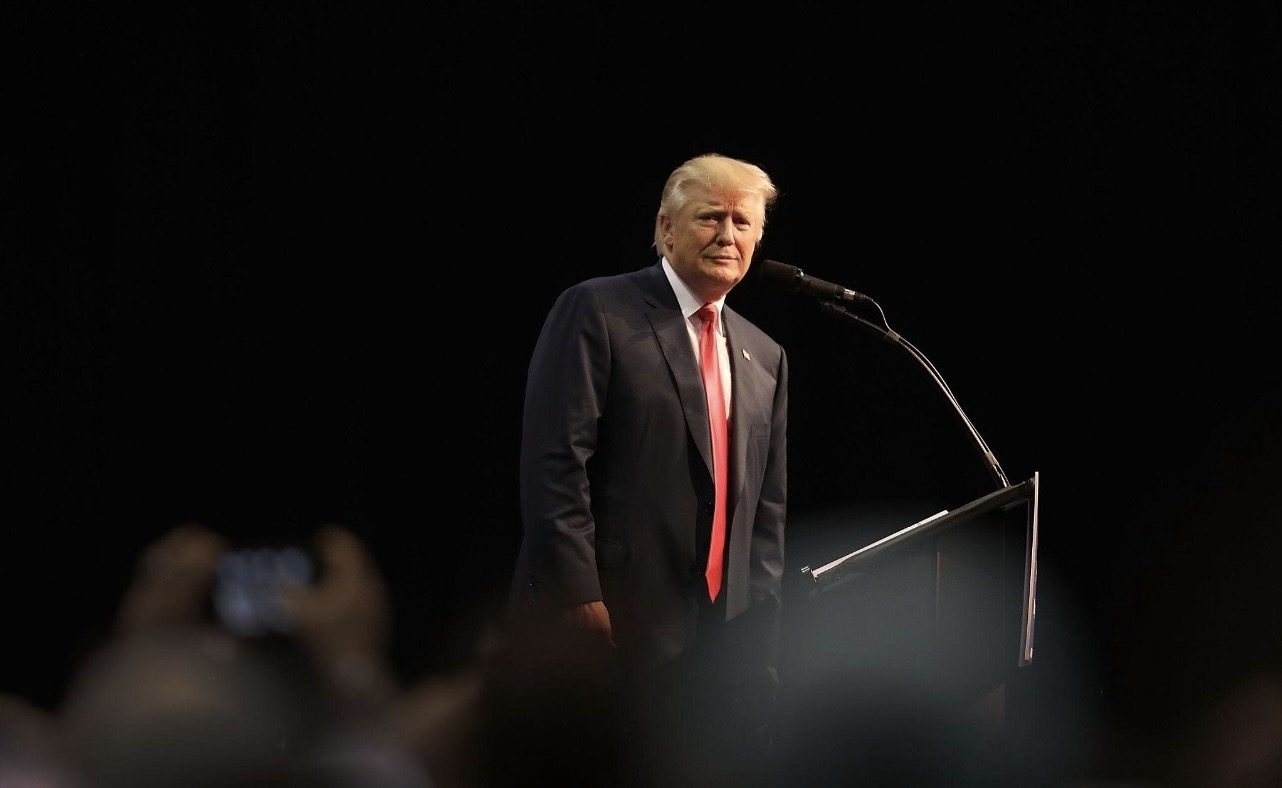
A federal judge has permanently dismissed President Donald Trump’s $10 billion defamation lawsuit against The Wall Street Journal, dealing a significant setback to his expanding legal campaign against major media organizations. The decision, announced Saturday, October 31, 2026, brings an end to Trump’s attempt to hold the newspaper and its parent company responsible for reporting about an alleged birthday letter connected to convicted sex offender Jeffrey Epstein.
U.S. District Judge Darrin Gayles, sitting in Miami, Florida, dismissed the amended complaint with prejudice. This means Trump cannot simply file the same lawsuit again in the same court. The judge concluded that the president had failed to establish the legal standard known as actual malice, which is essential when public figures bring defamation claims under American law.
The ruling is particularly significant because the court had already dismissed Trump’s original complaint in April 2026. At that time, however, Gayles allowed the president to submit an amended version addressing the legal deficiencies. Trump’s lawyers filed the revised complaint in May, but the judge found that the new allegations still did not establish a legally sufficient case.
The dispute originated with a Wall Street Journal investigation published on July 17, 2025. The newspaper reported that a sexually suggestive letter bearing Trump’s name had appeared in a collection of birthday messages prepared for Epstein’s 50th birthday in 2003. The collection was reportedly assembled by Ghislaine Maxwell, Epstein’s longtime associate.
According to the newspaper’s description, the letter included typewritten text surrounded by an outline resembling a drawing of a naked woman. It also contained a birthday message ending with the words, “Happy Birthday — and may every day be another wonderful secret.”
Trump strongly denied writing the letter. He described the publication as false, malicious and defamatory, arguing that the newspaper had knowingly damaged his reputation. He subsequently filed a lawsuit against Dow Jones, the publisher of The Wall Street Journal, News Corp, Rupert Murdoch, Robert Thomson and two journalists.
The president initially demanded $10 billion in damages, alleging that the reporting had caused substantial financial and reputational harm. The defendants rejected the allegations and defended the newspaper’s investigative work.
In his latest decision, Judge Gayles focused on whether Trump’s amended complaint provided sufficient evidence that the defendants knowingly published false information or acted with reckless disregard for the truth.
The judge referred to the landmark 1964 Supreme Court decision in New York Times Co. v. Sullivan. That ruling established that public officials and other public figures must meet a demanding standard to win defamation cases. They must demonstrate actual malice rather than simply show that a published statement was inaccurate or damaging.
Gayles concluded that Trump’s allegations were vague, conclusory and sometimes inconsistent with the newspaper’s actual reporting. He also noted that the Journal had sought Trump’s response before publication and included his denial in the article.
The judge rejected the argument that the newspaper was legally required to abandon its investigation simply because Trump denied the allegations. Reporting about matters involving powerful public figures remains protected by constitutional principles, provided journalists comply with applicable legal standards.
The ruling does not establish who wrote the disputed birthday letter. Nor does it independently determine the authenticity of every item described in the newspaper’s investigation. Its central finding concerns the legal sufficiency of Trump’s allegations against the defendants.
The Wall Street Journal lawsuit is only one part of a much wider series of legal confrontations involving Trump and American media organizations. During his political career, he has repeatedly accused news outlets of publishing inaccurate, misleading or politically motivated coverage.
One of the most prominent unresolved cases involves The New York Times. Trump filed a $15 billion lawsuit against the newspaper, several journalists and publisher Penguin Random House in September 2025. The complaint concerns reporting about his business career, personal wealth and a book examining his financial history.
The original complaint was dismissed by a federal judge in September 2025, who criticized its presentation and legal structure. Trump subsequently submitted an amended complaint in October. The newspaper challenged the revised filing, and the case remained pending in the federal court system according to The Washington Post’s January 2026 litigation review.
Another major dispute involves the British Broadcasting Corporation. Trump filed a $10 billion lawsuit against the broadcaster in December 2025 over the editing of a documentary featuring his January 6, 2021, speech.
The documentary combined separate portions of Trump’s remarks, creating controversy over whether the editing gave viewers a misleading impression of what he said before supporters entered the United States Capitol.
The BBC apologized for the way the footage had been edited but rejected the claim that the incident established a legal basis for defamation damages.
That case remains active. In an important development reported by CBS News on October 22, 2026, a federal magistrate judge ordered Trump to sit for a deposition by December 11. The order came after the president’s lawyers had sought to postpone his questioning.
Trump has also pursued legal action against the Pulitzer Prize Board. The dispute concerns the board’s decision to maintain the 2018 national reporting awards given to The New York Times and The Washington Post for coverage of Russian interference in the 2016 presidential election.
The board previously said independent reviews had not discredited the awarded reporting. Trump has argued that the board’s response to his demands for revocation was defamatory. The case has remained part of his broader litigation against media-related organizations.
Not every case has remained active. Trump’s defamation lawsuit against ABC News was settled in December 2024. The agreement included a $15 million contribution toward his future presidential library and payment of legal expenses.
His lawsuit against CBS over the editing of a 60 Minutes interview with Kamala Harris was also settled in July 2025 for $16 million, according to The Washington Post’s January 2026 review.
A separate case against The Des Moines Register and pollster Ann Selzer was dismissed by an Iowa judge on September 23, 2026. Trump had challenged a 2024 election poll that showed Harris leading him in Iowa.
The wider legal picture also includes cases brought against the Trump administration by news organizations. The Associated Press has challenged restrictions on its White House access. More recently, CNN, MS NOW and Politico have pursued legal action seeking restored access after being excluded from certain White House activities.
These cases are not all personal defamation lawsuits. Some concern press access, government authority, constitutional protections and the ability of journalists to report independently.
An August 18, 2026, analysis by Axios identified 61 media-related and defamation lawsuits involving Trump, his businesses, his administration or officials since 2015. The figure included cases brought both by and against those parties, meaning it should not be interpreted as 61 personal lawsuits filed by Trump.
The U.S. Press Freedom Tracker also documented Trump’s litigation against news organizations. Its September 24 report recorded three pending cases, one dismissal and one dropped case among lawsuits filed against the press since November 5, 2024. That snapshot predates the latest Wall Street Journal ruling.
The latest dismissal therefore represents more than a setback in one dispute. It highlights the difficult legal threshold that public figures must overcome when challenging investigative journalism in the United States.
For media organizations, the ruling reinforces the importance of careful reporting, documented verification and providing subjects with an opportunity to respond. For Trump, it raises further questions about the future of his remaining legal battles with major news organizations.
His legal team has indicated that it intends to appeal the decision. Any appeal would shift the dispute to a higher court, although the dismissal with prejudice prevents the president from simply restarting the same case in the district court.
As the remaining lawsuits move forward, the disputes are likely to keep press freedom, political accountability and the limits of defamation law at the center of America’s national debate.
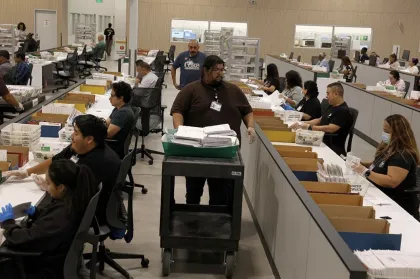
Appeals Court Rejects Trump Administration Bid to Block 20,000 California Mail-In Ballots
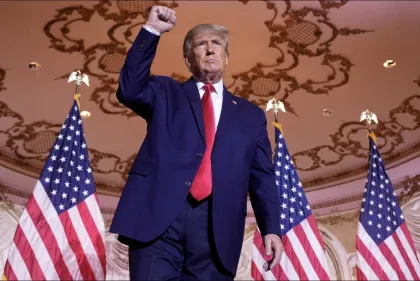
Trump Uses Online Rallies to Help Republicans Win Key Midterm Election Battles
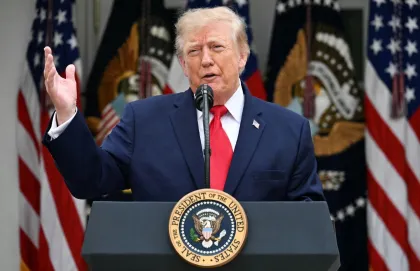
Federal Judge Blocks Trump Administration's Actions on Voter Registration Ahead of Midterm Elections
Judge Blocks Trump’s Election Threats Ahead of Crucial Midterm Vote
Related News
Appeals Court Rejects Trump Administration Bid to Block 20,000 California Mail-In Ballots
Trump Uses Online Rallies to Help Republicans Win Key Midterm Election Battles
Judge Blocks Trump’s Election Threats Ahead of Crucial Midterm Vote

Comments 0
Log in or create a free account to join the conversation. You can comment anonymously.
No comments yet. Be the first.